The Story
Why it exists.
The beginning
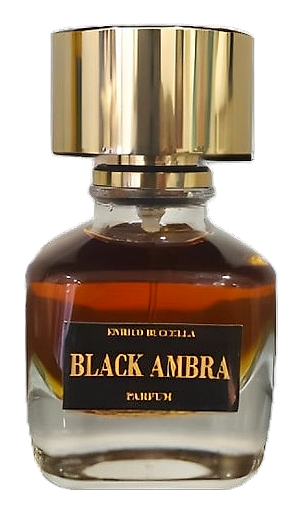
Black Ambra is a composition built around a single, loaded word: black amber. The name translates simply, but it carries an implicit promise that the juice inside has to keep. Ambergris here sits alongside a roster of materials that read like a survey of warmth itself: cedar, oud, tobacco, benzoin, labdanum. The list alone suggests density, even claustrophobia, yet the perfume refuses to smother. It behaves more like a concerto written around one recurring motif, a theme that returns in different keys rather than disappearing once the louder voices have had their turn. There's an auteur's patience in how the material is allowed to dominate without overwhelming, settling into the structure instead of crashing through it.
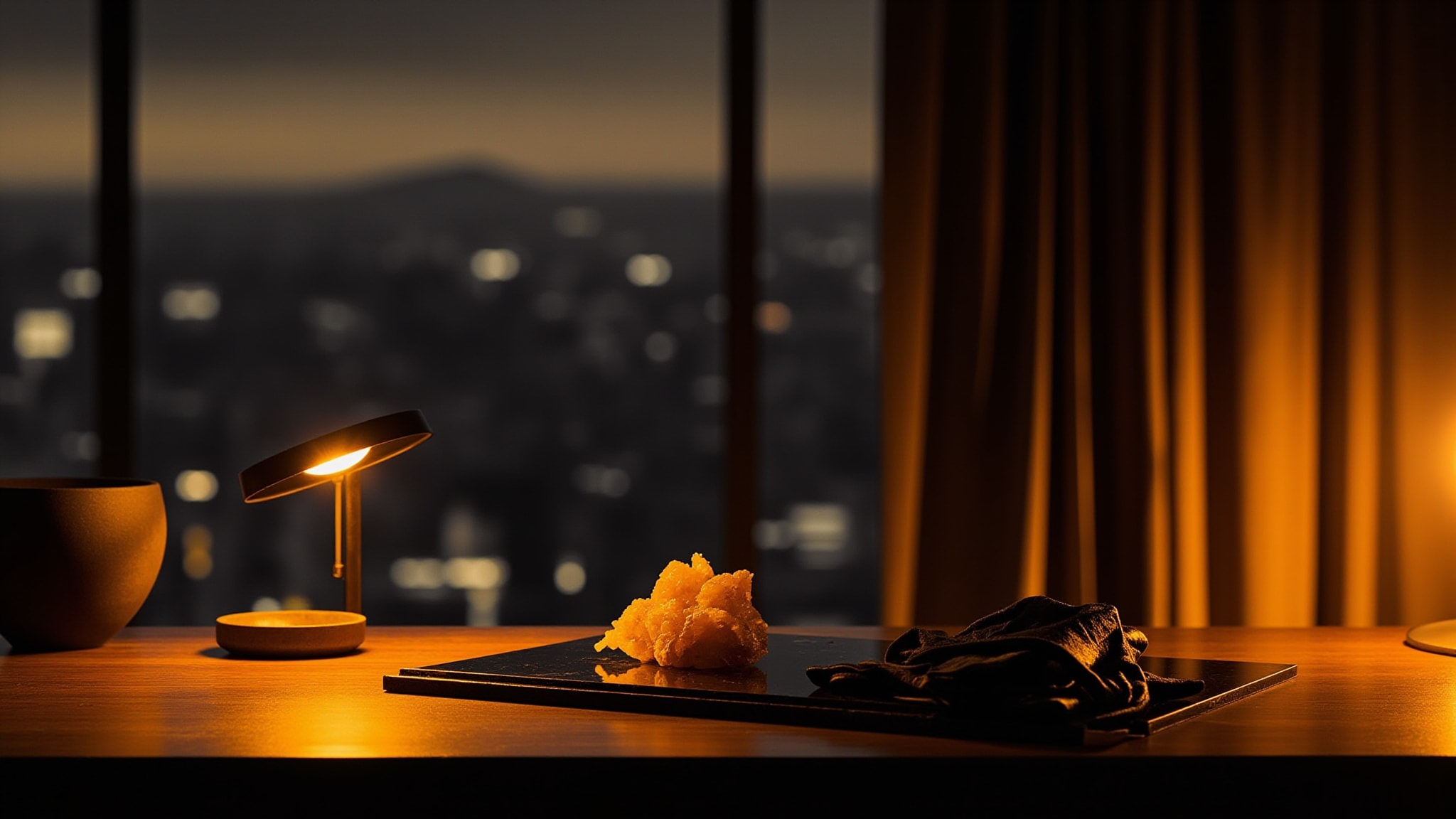
Ambergris is one of perfumery's strangest raw materials, a substance produced by sperm whales, aged by the sea, and prized for centuries for the way it fixes other notes while adding something saline and almost animal underneath. Natural ambergris is rare and heavily regulated, so most modern compositions rely on reconstructed versions or ambroxan. Black Ambra takes the amber material and surrounds it with tobacco absolute, frankincense, and oud, pushing the scent toward something warmer and more resinous. The result is dense without becoming syrupy.
The evolution
The bergamot opens the door and then politely excuses itself, giving way quickly to ambergris that takes command early, salty-sweet and unmistakably warm, like sun-heated stone. The heart phase belongs to tolu balsam and benzoin, which add a confectionery richness that borders on the edible, while labdanum and incense push the whole thing toward a churchy, resinous gravity. The tobacco absolute surfaces in the mid-phase, dry and leathery, curling around the oud and cedar like smoke around a column. What lasts deep into the drydown is the base architecture: oud, musk, and a faint thread of incense that clings to fabric well into the next morning. It doesn't fade so much as compress, getting quieter and closer to the skin without ever fully disappearing.
Cultural impact
Black Ambra lands squarely in the territory of amber fragrances that refuse to behave as background. Wearers who reach for it typically want something with substantive weight, a scent that fills a room rather than whispers from across it. The composition shares kinship with the heavier orientals of the vintage French tradition, built on resin, tobacco, and dense balsams rather than the clean, transparent constructions that have come to define much of contemporary mainstream perfumery. What sets this apart from those louder references is the restraint in its density: nothing screams, nothing overpowers, yet nothing disappears either.