The Story
Why it exists.
The beginning
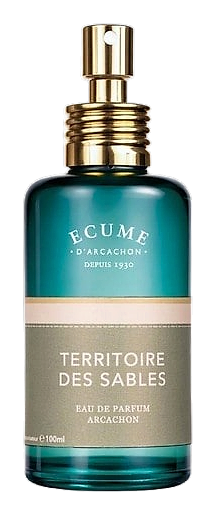
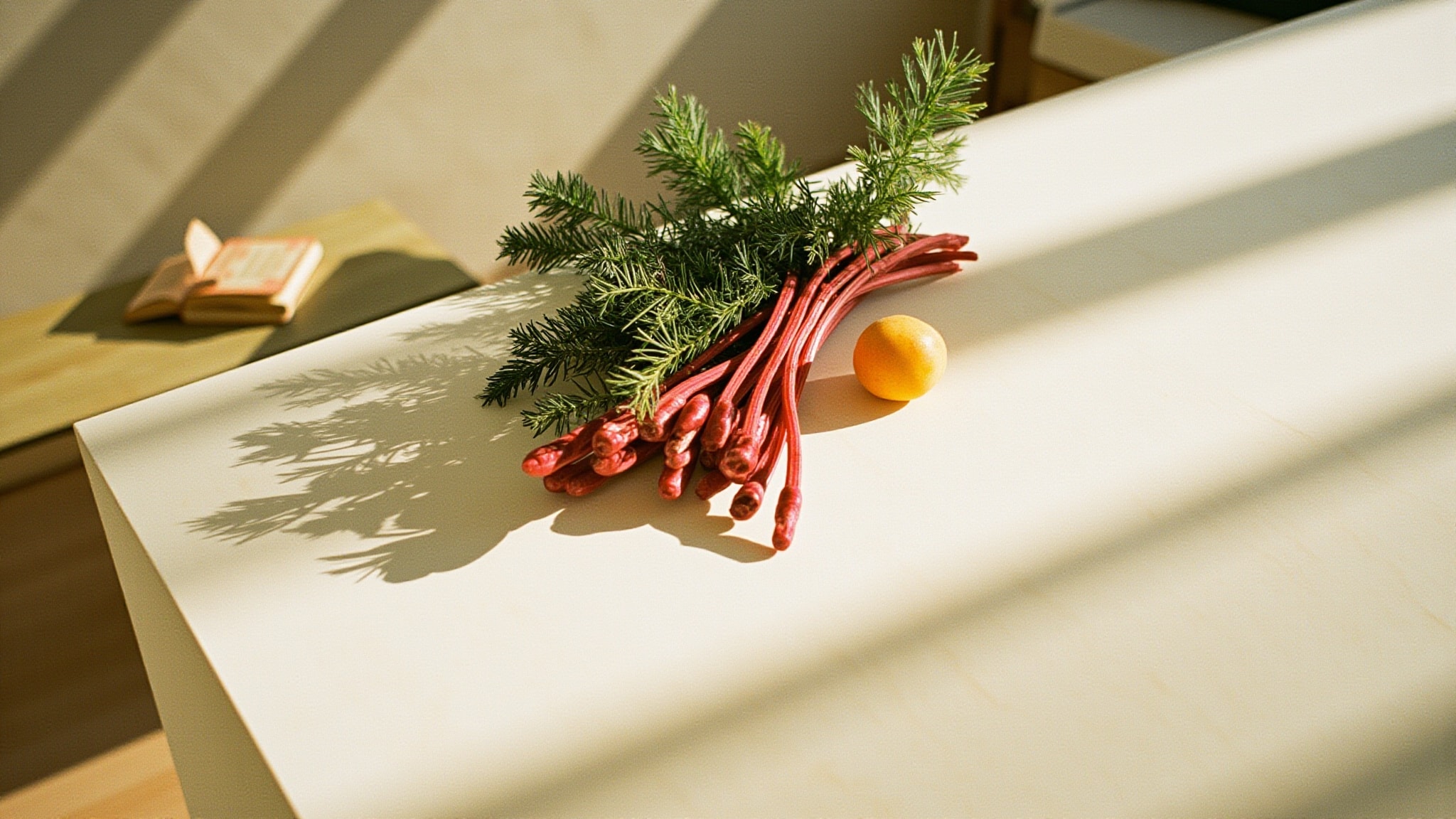
The name points at something elemental: sand, territory, a place shaped by what's been ground down and deposited over time. Territoire des Sables carries that sense of a landscape built from accumulation, from what the wind and water leave behind. The composition captures a sensory moment where one ecosystem folds into the next, where fruit ripens on a bush near the pines, where the air carries both salt and resin. The woody aromatic structure is a deliberate translation of place: rhubarb leaf for the tart green edge, balsam fir and pine needles for the resinous backbone, cedar and white musk for the dry warmth that grounds the whole thing.
What's interesting here is the choice to skip the obvious marine notes, the synthetic shortcuts that usually stand in for coast and surf. Instead, the coastal feeling comes through rhubarb leaf, a material that brings a tart, vegetal quality with a green bite that reads as sea air filtered through scrub. It's a sideways approach, one that relies on unexpected materials to suggest landscape rather than literal oceanic accords. The fir and pine give it structure without leaning into seasonal territory, keeping things resinous and dry rather than festive or sharp.
The evolution
The rhubarb hits first, and it's unmistakable, that sharp green-tart crack that makes your mouth water. For the opening stretch, the fruit is loud. Then the fir arrives, not aggressively piney, more like the smell of resin warming in late sun, walking closer to a tree line. The two halves settle into each other gradually: fruit softens, needles sharpen, and a warm-spicy undercurrent adds a low hum beneath the main accord. Eventually the cedar takes over, woody and dry, with white musk brushing close to skin. What's surprising is how long the rhubarb persists, ghosting through the fir phase like a memory of something acidic you'd eaten earlier. The drydown lasts into evening, close-wearing, warm, faintly sweet, the kind of scent that settles rather than fades. The next morning, what's left on a sweater smells like clean cedar and the faintest trace of something tart still hanging on.
Cultural impact
Territoire des Sables sits in a quiet corner of the woody aromatic category, one that values green and resinous materials over louder alternatives. Wearers who gravitate to it tend to favor nature-forward compositions that don't announce themselves, the kind of scent that rewards close attention rather than projecting across a room. It's the kind of fragrance that appeals to people who already know what they like in this space and want something with a slightly different angle, a fruitier opening that sets it apart from purely resinous offerings.