
The Story
Why it exists.
The beginning
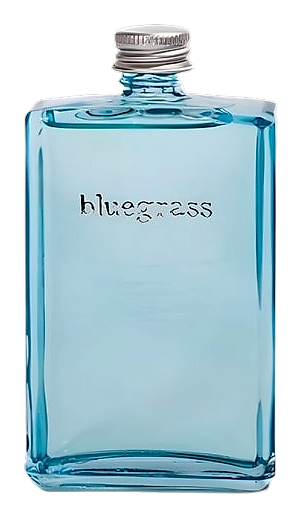
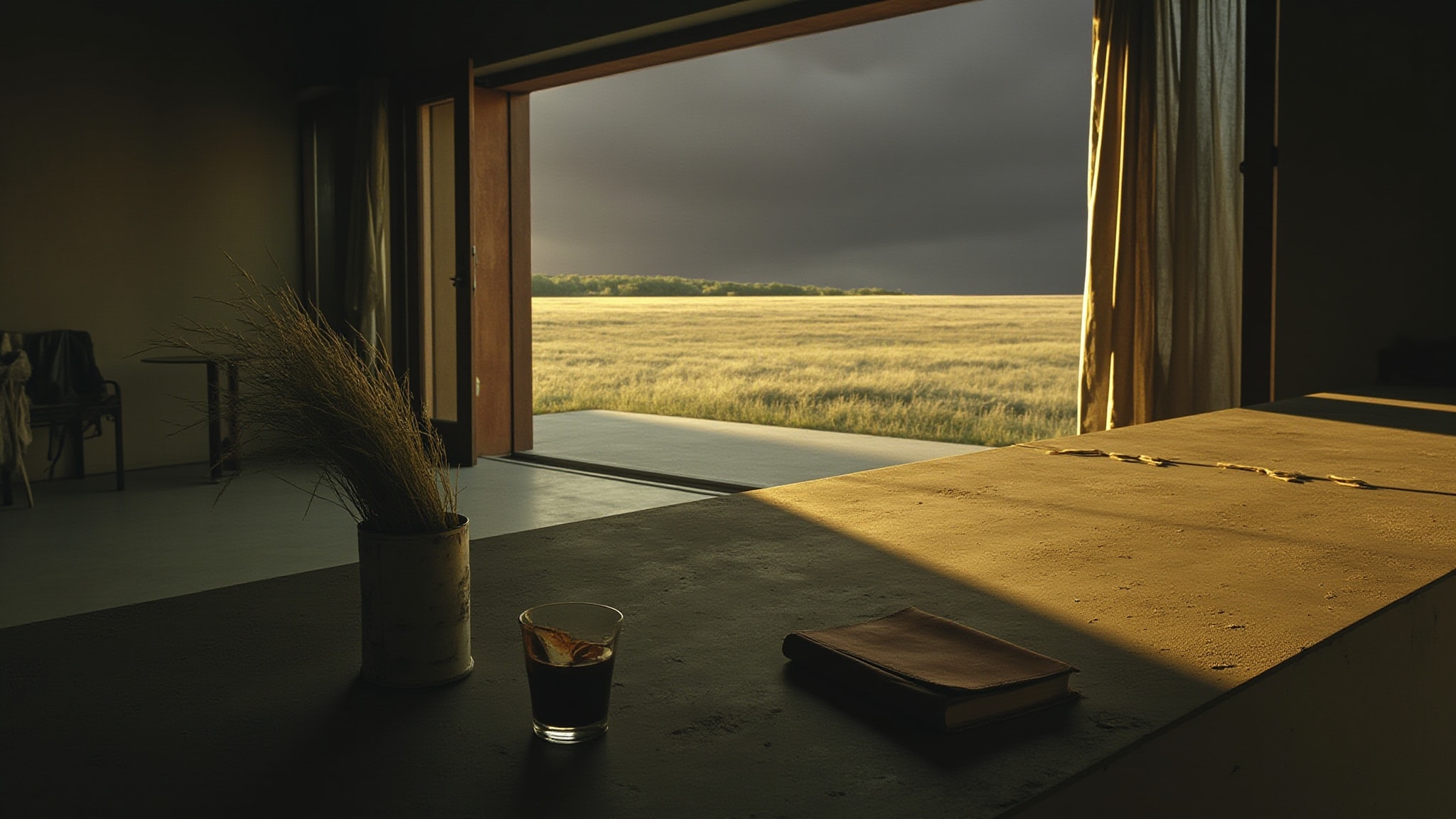
Bluegrass is a place, not a concept. It's a portrait of the prairie meadow that exists in the American pastoral imagination, somewhere between bluegrass fiddle music, untamed clover fields, and the long golden hours before a midsummer storm. EastWest Bottlers built the fragrance around a specific scene drawn from the Blue Ridge Mountains: white washed picket fences, sun soaked fields of green, cold rushing mountain streams, and the kind of sky that stretches endlessly above it all. There is something elemental about the brief, a deliberate reduction of landscape to its greenest, most open components, and the composition wears that scene without ornamentation or apology.
What makes Bluegrass interesting as a composition is how restrained it stays within its brief. The listed notes lean simple: moss, grass, spices, pepper, and amber, with Spanish moss lending the backbone a particular damp, sylvan texture. That economy is the point. Rather than piling on competing green materials to manufacture depth, the composition lets each element do a single job. Grass carries the opening, bright and immediate. Pepper and spices provide a low, dry warmth that keeps the green from reading one-dimensional.
The evolution
The first thirty minutes are dewy and sharp. Grass dominates, wet and vivid, cut close to the earth and laced with the cool mineral dampness of moss. Pepper arrives early, almost imperceptibly, giving the green a faint bite at the edges, the way a snap of cold air cuts through humidity. There's something almost effervescent about this opening, like the air right after a summer storm breaks and the whole world smells rinsed. Then the green softens. The spices begin to surface, warm and dry, pulling the composition away from its wet-grass clarity and toward something denser, more grounded. The amber settles in, giving the heart a rounded, golden body that reads almost like sun-warmed resin clinging to bark. From the second hour onward, this is no longer a sharp green scent. It's mossy, spiced, and slightly resinous, drying down to a warm, peppery woodiness that clings close to skin.
Cultural impact
Bluegrass lands at a moment when indie perfumery has grown increasingly comfortable trading abstraction for specificity. Rather than chasing a generic green accord that could belong anywhere, the composition commits hard to a single scene: the Blue Ridge Mountains, white washed picket fences, sun soaked fields of green, cold rushing mountain streams. That kind of literal landscape framing has become more common across the indie space, where wearers often want a fragrance that tells them exactly where they're going before they ever press the nozzle. Bluegrass fits that appetite cleanly.