The Story
Why it exists.
The beginning
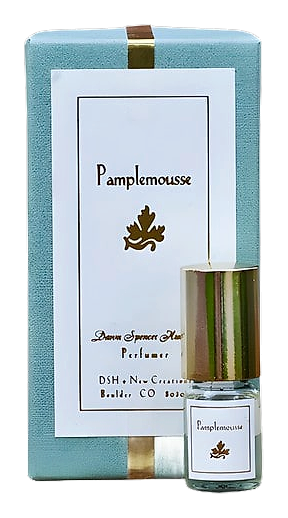
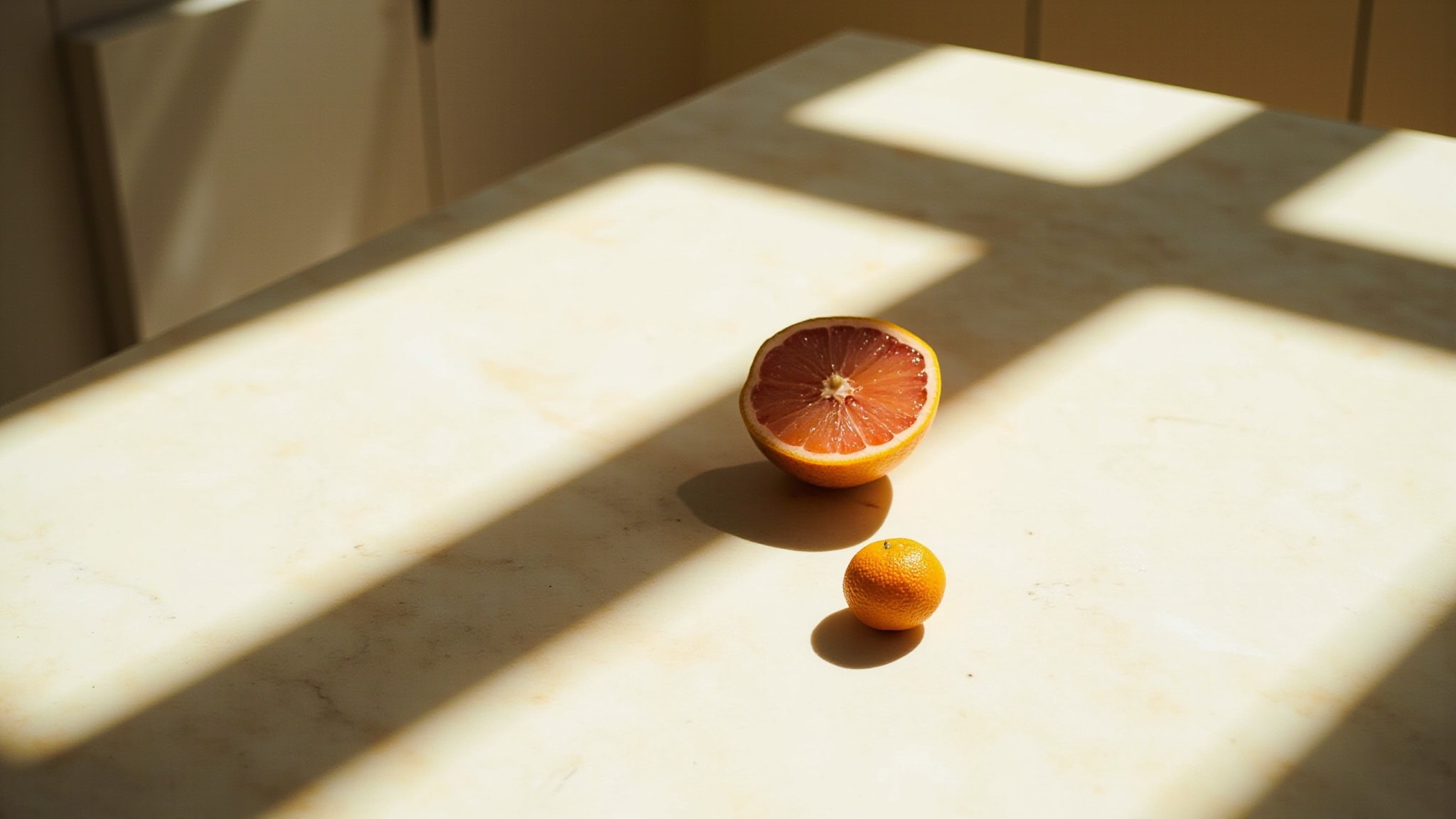
Pamplemousse takes its name from the French word for grapefruit, with a nod to the pink variety, pamplemousse rose. For Dawn Spencer Hurwitz at DSH Perfumes, the naming is the concept: a study in the fruit as it actually exists, not as air fresheners have imagined it. Hurwitz builds each DSH fragrance like a visual sketch, selecting botanical pigments and arranging them with deliberate restraint. Pamplemousse is one of those sketches, citrus as an honest observation rather than an idealized impression.
What sets this apart from the crowded grapefruit field is the green nuance and the floralcy in the heart. Most grapefruit fragrances lean into the fruit's tartness and leave it there, sharp and one-dimensional. Here, the bergamot and green mandarin orange open with genuine brightness, the heart introduces neroli's quiet blossom, and the base, green tea and Australian sandalwood, adds a dimension that keeps the whole thing from sharpening into something clinical. It's a more interesting composition than its straightforward name suggests.
The evolution
The opening arrives quickly: pink grapefruit and bergamot, bright and unapologetic. No softening, no preamble. Within minutes, Amalfi lemon and Italian neroli move into the heart, the tartness relaxes into something cleaner and more floral, like the fruit transitioning from skin to blossom. By the hour mark, green tea and Australian sandalwood take over the drydown. The shift is notable: the brightness doesn't disappear but it changes texture, warming slightly as the sandalwood grounds it. This phase lasts, depending on skin, the remaining hours of a workday. Close to the skin. Intimate. The green tea note has a way of lingering past what you'd expect, a faint leafy clarity that stays even as everything else settles.
Cultural impact
Pamplemousse enters a crowded citrus category with a specific point of view: honesty over appeal. Where most grapefruit fragrances optimize for likability, this one commits to the fruit's full character, including the bitter edges. Wearers describe it as the scent of someone who actually likes citrus rather than someone who tolerates it. It sits comfortably alongside the quieter end of the citrus spectrum, appealing to those who find mainstream grapefruit compositions too polished or too household.