The Story
Why it exists.
The beginning
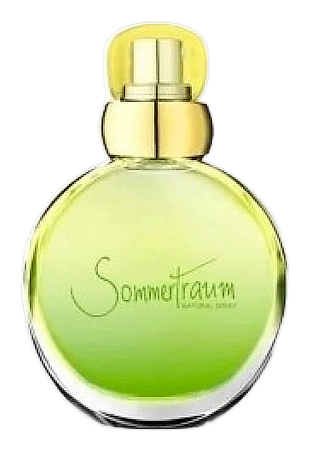
Sommertraum, meaning summer dream in German, arrived in 2011 as the third fragrance from Dr. Grandel, a Berlin-based niche house founded in 2005 by chemist-turned-perfumer Dr. Michael Grandel. The brand philosophy centers on scientific transparency and respect for raw materials, and this ethos shaped the entire creative process. Rather than chasing market trends, Dr. Grandel approached the brief as a study in contrasts: bright summer fruits against deeper, earthier anchors.
The brand treats its formulas with clinical transparency, avoiding the mysticism that often surrounds fragrance marketing. Ingredients in Sommertraum get selected not for their marketing appeal but for their functional behavior within the composition. Mandarins fruity volatility interacts with red apples waxy crispness differently than expected, and the olive in the drydown serves a structural purpose: it grounds the florals and provides contrast to the sweetness of vanilla. This is fragrance as chemistry, not alchemy, and the brand believes customers deserve to understand what they are wearing.
The evolution
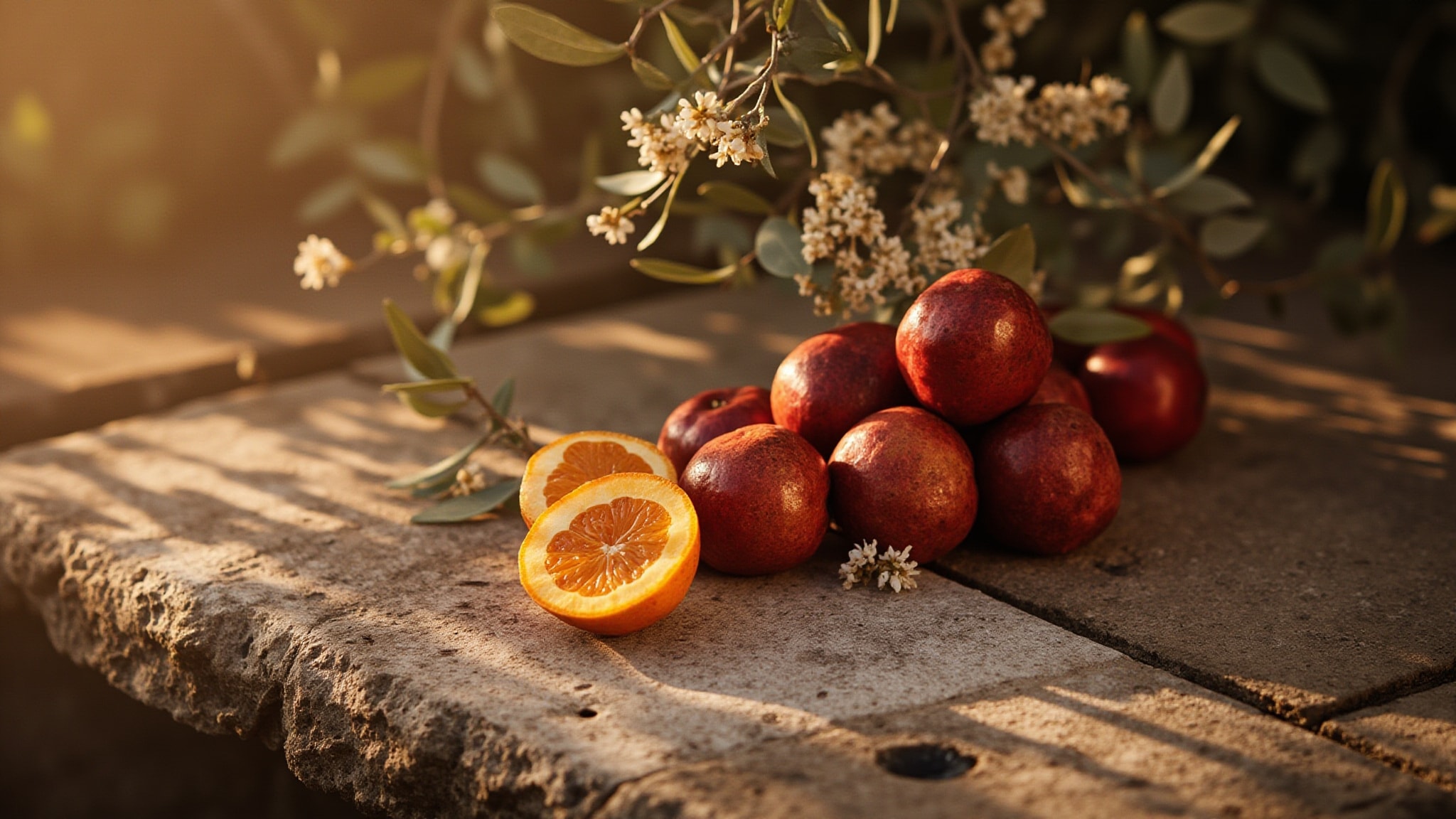
The fragrance opens with mandarin and red apple, capturing the immediacy of summer brightness in the first minutes. The heart introduces jasmine and gerbera, softening the citrus into a garden quality that develops over the first hour. The drydown marks the true character: sandalwood and vanilla provide warmth while olive adds an unexpected Mediterranean complexity. The three phases progress from sharp brightness to creamy softness to warm stillness, each transition guided by the chemistry of each ingredient.
Cultural impact
Sommertraum arrived at a moment when European niche houses were embracing minimalist fruit‑floral concepts, reflecting a broader cultural shift toward clean, un‑cluttered aesthetics in fashion and design. Its mandarin‑orange and red‑apple pairing resonated with consumers seeking a scent that evoked sunny outdoor markets and carefree summer picnics, reinforcing the trend of seasonal storytelling in perfumery. By aligning with the rise of Instagram‑driven visual culture, the fragrance helped popularize the idea that a perfume could serve as a portable mood‑enhancer, influencing subsequent releases that prioritize bright, approachable notes over heavy, opulent compositions.