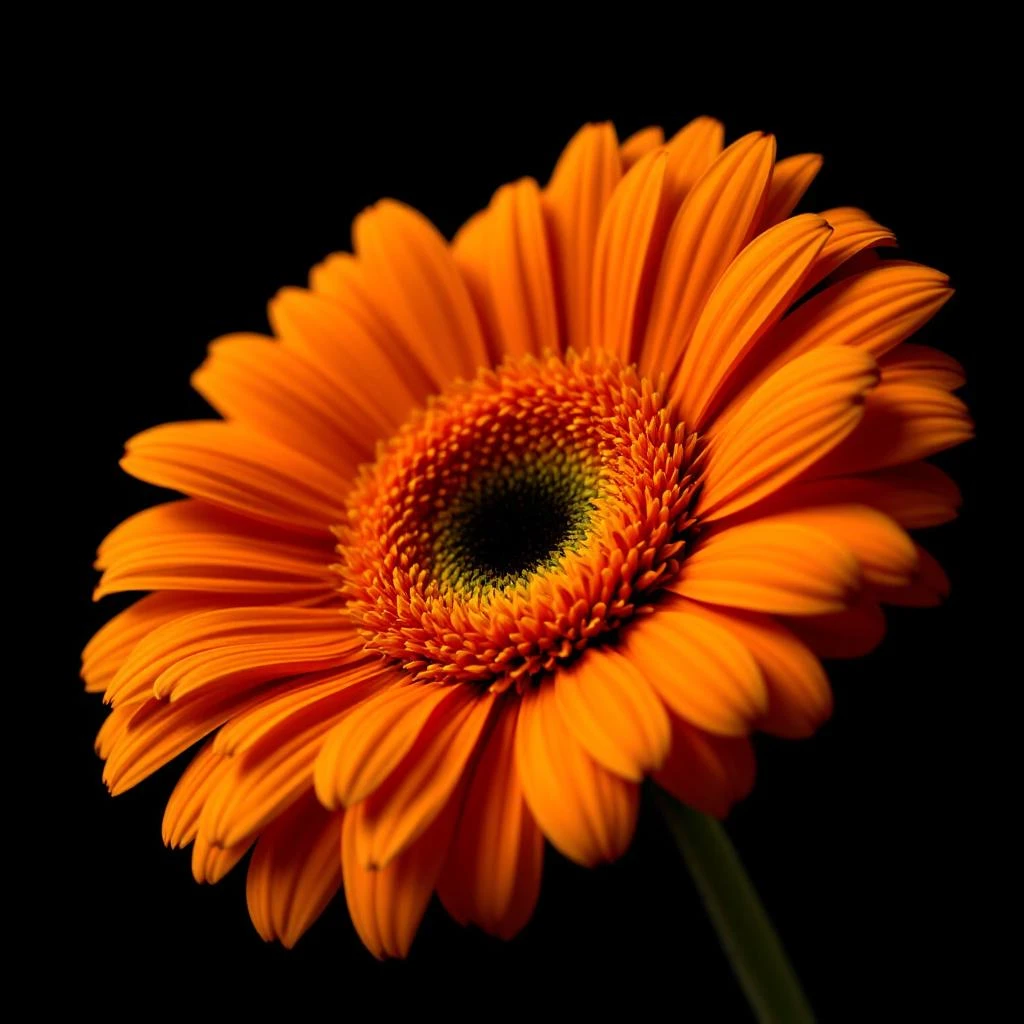
Gerbera
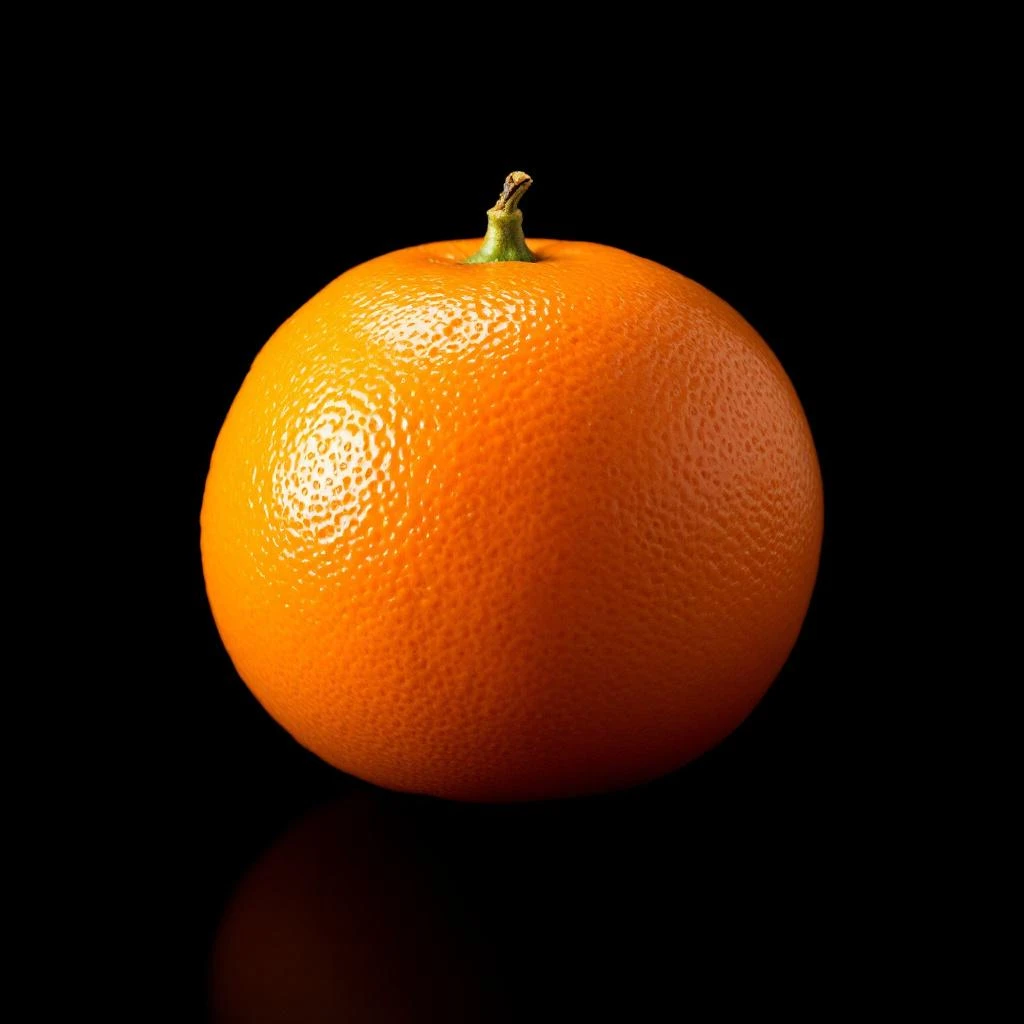
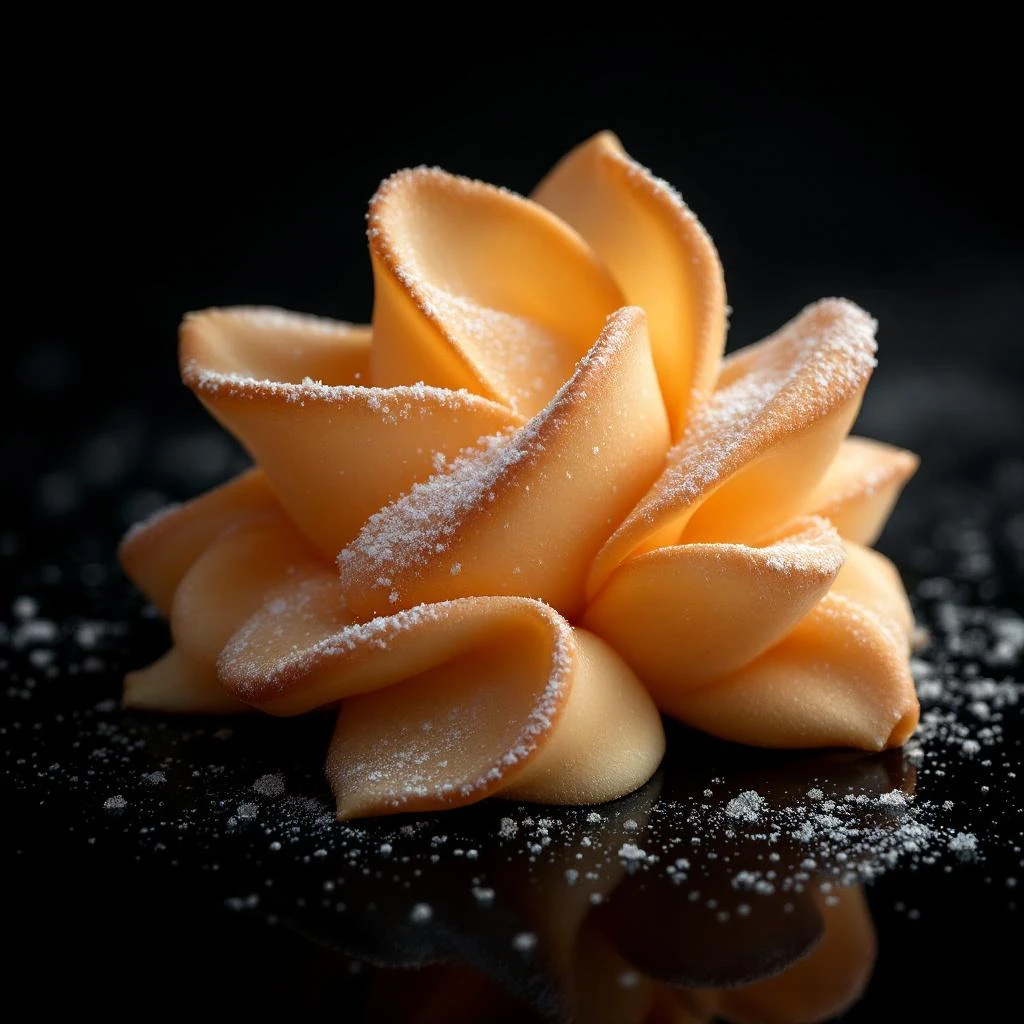
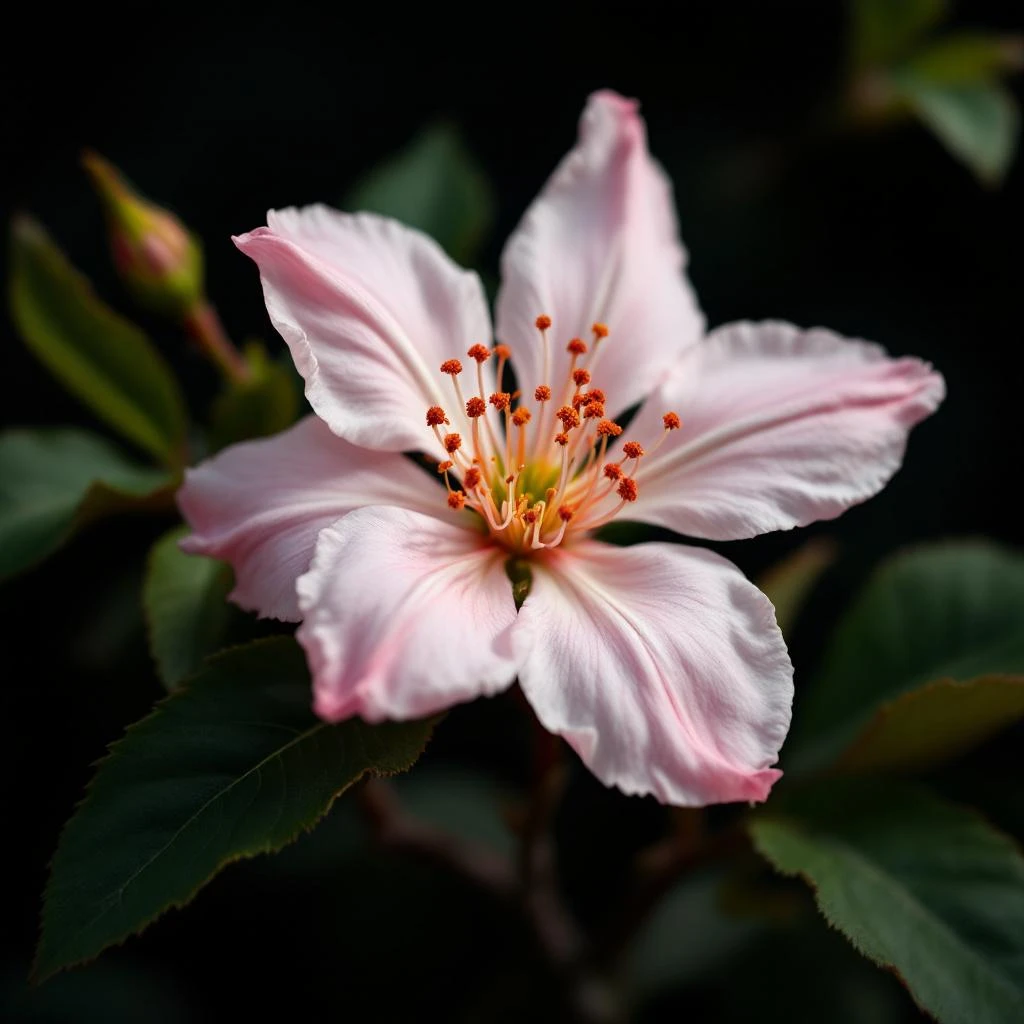
Gerbera offers a crisp, sunny floral note that blends citrus zest with fresh garden petals, delivering a bright lift that feels like a spring meadow in full bloom. Its subtle green undertone adds depth, making it a versatile accent for both bright and sophisticated compositions.
Character
How it smells
Sunny petals, crisp lift in every spray.
Gerbera daisies were first cultivated for cut flowers in the 19th century, but their scent entered perfumery only in the early 2000s via solvent‑extracted absolute, making it a relatively new aromatic player.



Origin
South Africa
Gerbera daisies originated on the high plateaus of South Africa, where indigenous peoples used the bright blooms in ceremonial garlands. European botanists introduced the flower to gardens in the late 1800s, and it quickly became a staple of ornamental horticulture. Despite its visual popularity, the scent of gerbera remained untapped for centuries because the delicate petals yielded little oil through traditional distillation.
Advances in solvent extraction during the late 20th century unlocked the flower’s aromatic potential, and the first commercial gerbera absolute appeared on the market in 2003. Since then, niche houses have highlighted gerbera to convey modern optimism, while sustainable farms in South Africa have begun to certify their harvests for eco‑conscious brands.
Wears it best
Fragrances featuring Gerbera
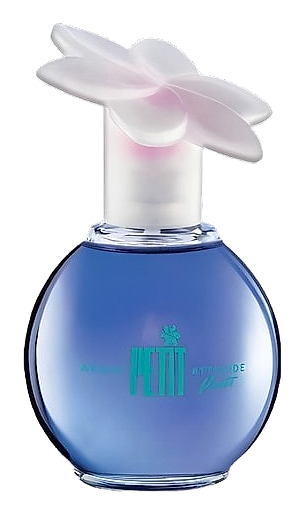
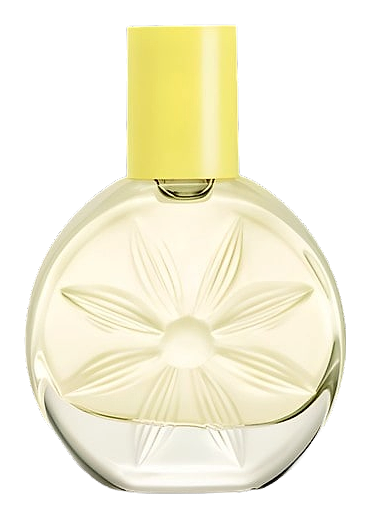
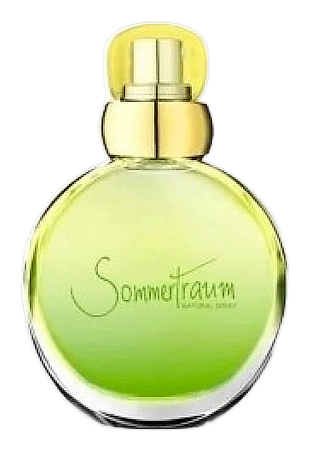
Brands
Brands known for Gerbera
Good to know
Questions, answered
The essentials on Gerbera in perfumery: how it smells, where it comes from, and how it behaves on skin.
What scent character does gerbera provide?
Gerbera adds a bright, slightly citrusy floral note that feels like fresh garden daisies. It lifts top and heart layers with crisp green nuances. A 2021 analysis measured its main volatile compounds as geraniol (12%) and citronellol (8%).
Is gerbera an absolute or a synthetic ingredient?
Gerbera absolute comes from natural flower petals, not a synthetic replica. Perfumers extract it using solvent methods to preserve its delicate profile. In 2019, the International Fragrance Association recorded 1,200 kg of gerbera absolute produced worldwide for use in niche compositions.
How is gerbera extracted for perfumery?
The extraction uses cold‑pressed solvent to pull aromatic oils from fresh petals. The process runs at low temperature to avoid degrading volatile notes. A 2020 study showed the method retained 85% of the flower’s original scent profile compared to traditional methods.
Which perfume families commonly feature gerbera?
Gerbera appears most often in fresh‑floral and green perfume families. It pairs well with citrus, green leaves, and light woods. In 2022, a market survey listed gerbera among the top ten emerging notes for spring releases for modern consumers worldwide.
Can gerbera cause skin irritation?
Gerbera absolute can trigger mild skin reactions in sensitive individuals, as it contains natural allergens like geraniol. Patch‑test data from 2018 recorded a 2.3% irritation rate among test subjects. Use it at concentrations below 1% in leave‑on products to reduce risk.
How stable is gerbera absolute over time?
Gerbera absolute remains stable for several years when stored in cool, dark conditions. A 2017 stability test showed less than 5% loss of key volatiles after 36 months. Keep the bottle sealed and away from heat to preserve its freshness.
Is gerbera sourcing sustainable?
Gerbera cultivation supports sustainable sourcing when farms practice fair‑trade and organic methods. In 2021, a South African cooperative reported that 68% of its gerbera farms used water‑saving irrigation. Choosing ingredients from such sources helps reduce environmental impact for the industry.
What typical concentration is used in a perfume formula?
Typical perfume formulas use gerbera at 0.5‑2% of the total composition. This range provides a noticeable lift without overwhelming other notes. A 2020 formulation guide listed 1.2% as the optimal level for balanced fresh‑floral blends generally today.