
The Story
Why it exists.
The beginning
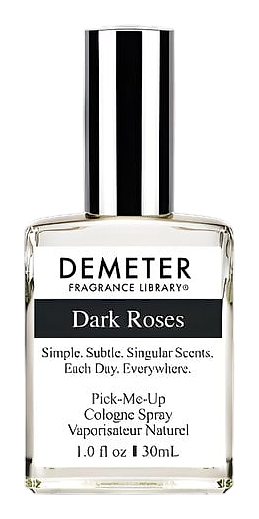
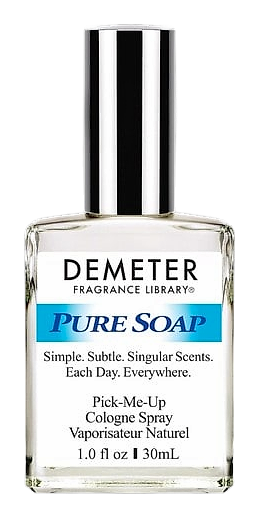
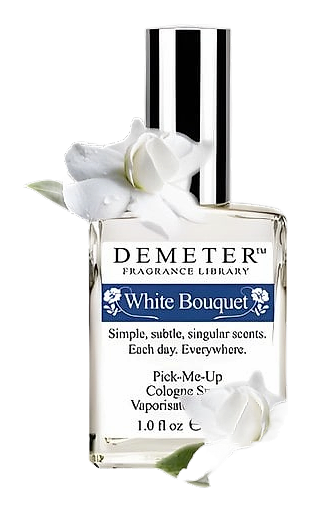
Demeter launched White Bouquet in 2009 as part of its expanding catalog of single-note and single-idea scents. The concept was straightforward: take the memory of freshly cut white flowers and bottle it. No composition theory. No tension between top and base. Just one clear idea, executed simply. Demeter's whole approach favors this kind of direct translation from experience to fragrance, and White Bouquet sits comfortably in that tradition. The official description calls it an utterly romantic white floral for anyone drawn to the scent or memories of freshly cut white flowers. That's the entire brief.
What makes White Bouquet distinctive within the Demeter line is the choice of abstraction over specificity. Most Demeter scents isolate a single recognizable thing (Thunderstorm, Laundromat, Kitten Fur). White Bouquet goes a step hazier: not gardenia, not jasmine, not lily. A bouquet. The combined accords read floral and fresh, with synthetic and powdery elements that round out the composition. It's a softer approach to a category that often reaches for intensity.
The evolution
The opening is where White Bouquet announces itself most loudly. A sharp, clean, almost watery brightness hits first, like a window thrown open in an otherwise still room. Within ten minutes, that initial burst fades into something softer and more diffuse. The white floral character takes over, but never with weight. There's no dense indolic punch, no creamy tropical heaviness. It hovers. After thirty to forty minutes the drydown settles into a faint powdery floral, more like the ghost of the opening than a new phase. The florals recede gradually rather than disappearing all at once, leaving behind a soft trace that lingers at the edge of perception. You catch whiffs of it when you move, when you turn your wrist, when a breeze shifts direction.
Cultural impact
White Bouquet fits within Demeter's catalog as a soft, approachable floral that doesn't try to do too much. Its lightness makes it easy to wear, easy to forget, and easy to reach for when a heavier composition would feel like overkill. The powdery undertone gives it a slight vintage quality, a gentleness that recalls an older era of florals without committing to any specific reference. It reads less synthetic than some of the brand's other offerings, which tend toward sharper single-note constructions, and that warmth helps it land differently. The scent doesn't push itself forward or demand attention.