The Story
Why it exists.
The beginning
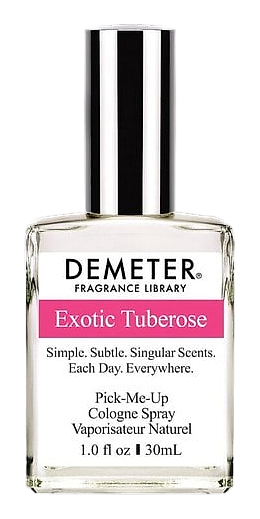
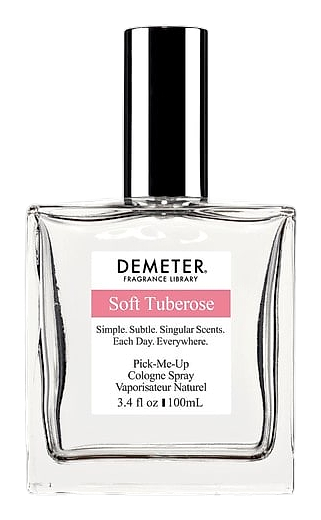
This Soft version emerged in 2018 as part of Demeter's ongoing exploration of a single flower done well. The house doesn't chase complexity, it isolates. And for tuberose, the challenge was always the same: how do you keep the lushness without the performance? The answer here is creaminess, amplified and sustained, then brightened by green undertones that lift rather than cut. Jasmine sits underneath, quiet, giving the tuberose something to rest against.
The synthetic creaminess isn't a compromise, it's the point. Natural tuberose absolute is expensive and ethically fraught. Demeter's aroma chemicals capture the buttery, waxy texture of the flower without either problem. What you get is the feeling of tuberose: lush, creamy, and just slightly sweet. No headiness. No indolic spike. Just the parts worth keeping, presented without apology.
The evolution
The opening is tuberose arriving rich and immediate, not sharp, not green, just creamy and warm and unmistakably the flower. There's a buttery quality here, waxy and full. Then the green facets enter quietly, threading through as the cream deepens. The transition isn't dramatic. The jasmine completes the picture for a while, a quiet floral underlayer that keeps the tuberose company. By the drydown, the green has mostly faded and the cream has settled close. The final stage is intimate and skin-like, the scent of someone you're standing near, not someone across the room.
Cultural impact
Soft Tuberose fits squarely into Demeter's democratic philosophy, a white floral experience stripped of pretense. In a market where tuberose often signals tropical luxury or heady summer nights, this version offers something quieter and more wearable. The fragrance appeals to curious newcomers who want to understand the note without committing to its more dramatic expressions.