The Story
Why it exists.
The beginning
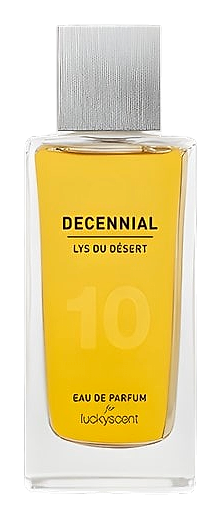
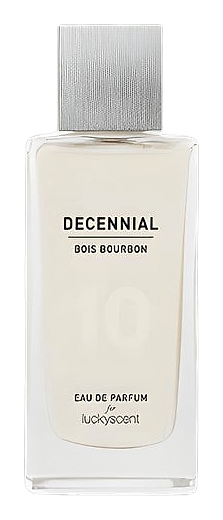
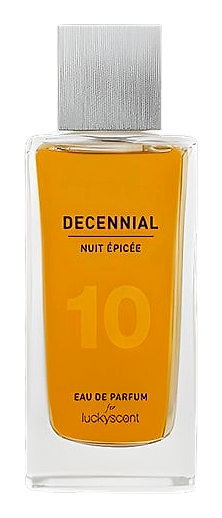
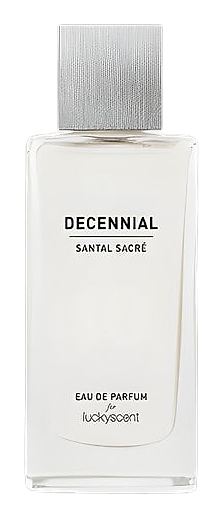
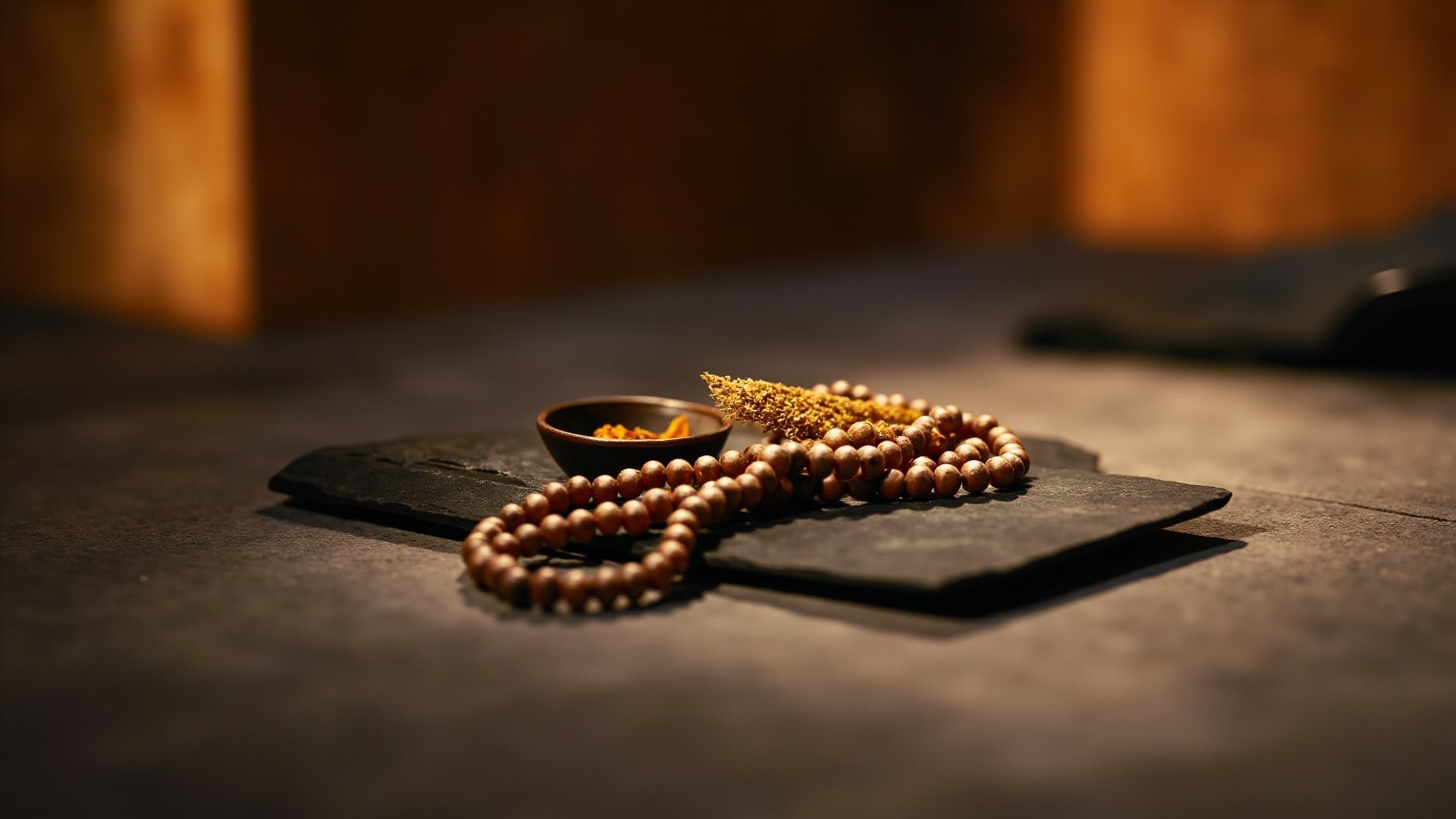
Luckyscent marked its tenth anniversary in 2012 with a collection of four exclusive fragrances, each one a portrait of Los Angeles. Santal Sacre drew from the city's quieter currents, the yoga studios, the wellness culture, the East-West exchange that pulses through the air out west. The name itself means sacred sandalwood, and it points to something ancient, something that arrived here through trade routes and meditation halls. Jérôme Epinette built this fragrance around that tension: what does sacred smell like when it moves to the Pacific?
The frankincense here doesn't burn, it drifts. Papyrus adds a dry, slightly papery quality that keeps the heart from getting heavy. What makes Santal Sacre work is the restraint. The Australian sandalwood doesn't barrel in; it grows. Over hours, it sweetens the incense just enough, then stays. The white musk in the base isn't a filler, it keeps everything close to the skin, intimate, the kind of fragrance you notice when someone leans in.
The evolution
The opening is quick: ginger's clean heat, the citrusy resin of elemi, gone in ten minutes. Then the heart takes over, frankincense and papyrus, a dry incense that smells like the inside of a quiet church, not a smoky room. For the next few hours, the sandalwood slowly emerges, sweetening the composition without overwhelming it. By hour four, it's the star. The white musk keeps everything close, intimate, personal. On fabric, it lasts until the next day.
Cultural impact
Santal Sacre found its audience among people who wanted incense without smoke, sandalwood without sweetness. It filled a gap for wearers who wanted something contemplative, not a statement fragrance, but a companion. The moderate sillage and exceptional longevity made it a quiet favorite among those who wear scent for themselves.