The Story
Why it exists.
The beginning
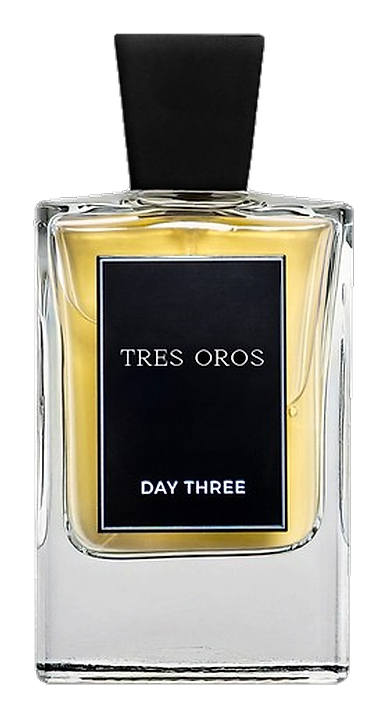
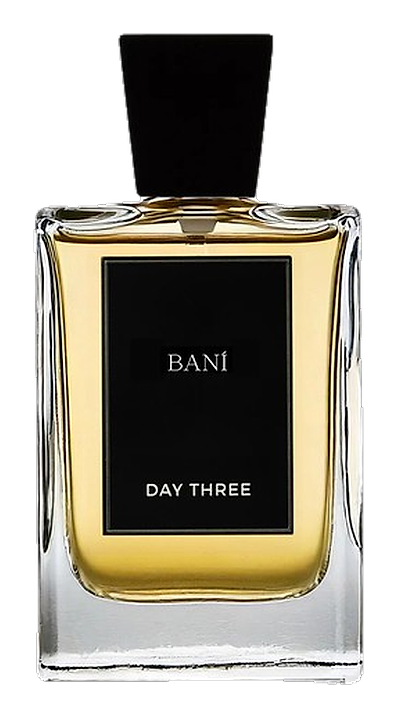
The name says it all. Baní takes its identity from Baní, Dominican Republic, a town known for growing some of the sweetest, most aromatic mangoes on earth. Co-founder Vanessa grew up there. Perfumer Michael Paul wanted to bottle that specific memory: not just the fruit, but the green intensity of the tree, the humid air, the weight of a mango ready to fall. Released in 2023 as an Eau de Parfum, Baní was designed to be a warm-weather signature, the fragrance you reach for when the temperature climbs and everything else feels too heavy. The brief was clear: photorealistic mango, not mango candy. The result is a scent that opens with the leaf attached and stays honest through the drydown.
What makes Baní work isn't the mango itself, it's the mango leaf. That's the note that separates this from every other tropical fragrance leaning on fruit. Green, slightly bitter, unmistakably real. It keeps the sweetness honest instead of sliding into synthetic territory. Paired with sugarcane in the base, the composition achieves something rare in fruity florals: transparency. The sugar cane note doesn't add sweetness the way vanilla or tonka might. It adds a green, crushed-stalk quality that reads as earthy and clean. White musk ties everything together, the Day Three signature that keeps their fragrances intimate rather than projecting.
The evolution
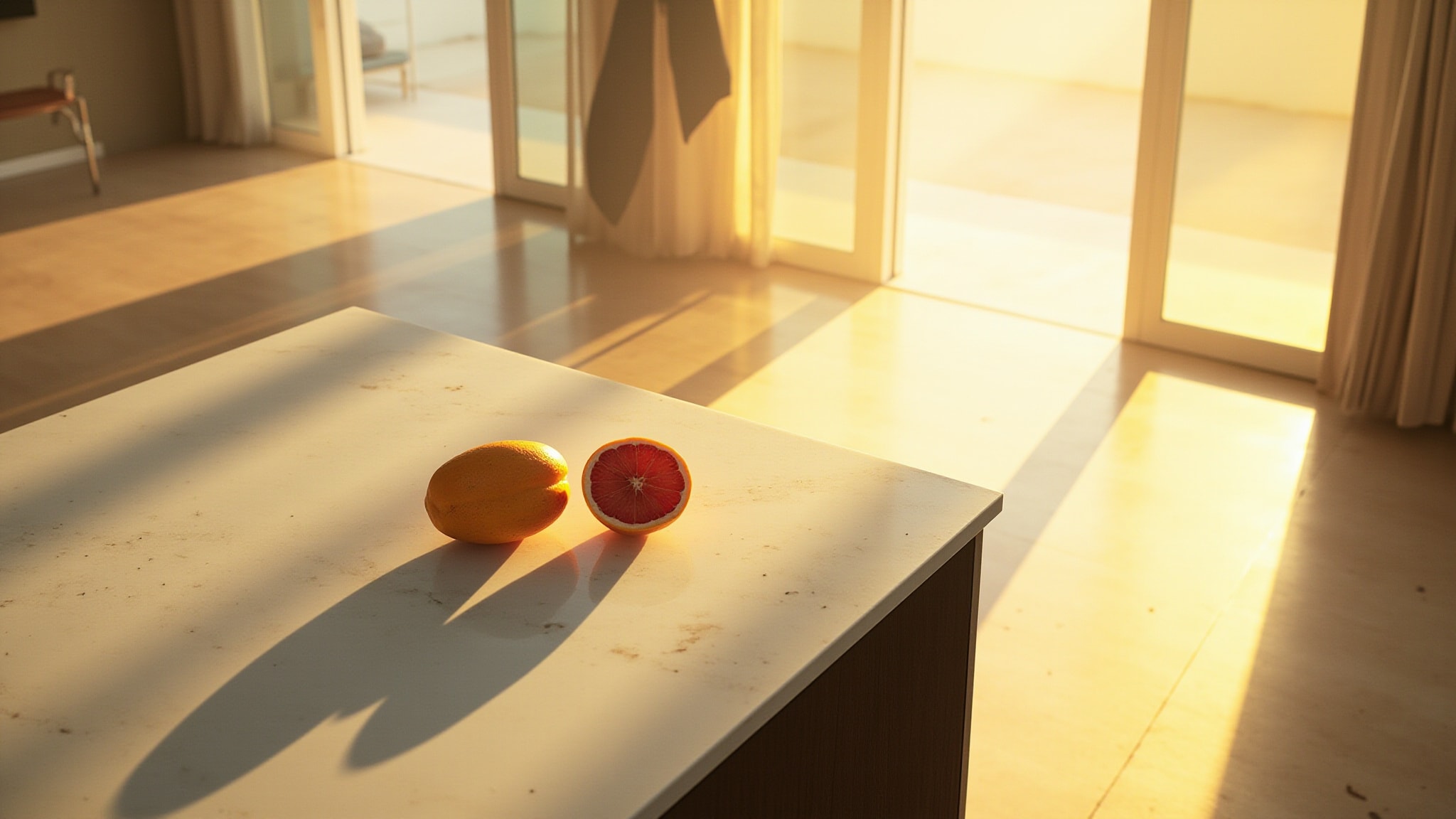
The opening hits fast and bright, grapefruit and mango leaf arrive together, the citrus cutting through the tropical sweetness before it can settle. For the first twenty minutes, this is all energy: green, alive, immediate. Then the coconut cream arrives. Not coconut sunscreen, actual coconut, soft and slightly sweet. Jasmine and magnolia layer over it, keeping the heart elegant rather than beachy. The white florals are doing quiet work here, lifting the coconut so it never reads as flat or one-note. The drydown is where Baní earns its reputation. Sandalwood and sugar cane ground everything, that crushed-cane accord adding a green, earthy sweetness that refuses to become vanilla or caramel. White musk lingers. Six to eight hours on most skin, close to the skin rather than filling the room. The kind of longevity that earns a second application.
Cultural impact
Baní has quietly earned its place in the niche fragrance conversation, not through marketing spend, but through a photorealistic mango note that people remember. In a category crowded with tropical fragrances reaching for the same fruit, this one stands apart. The independent positioning of Day Three, small-batch production, hand-finished bottles, no mass market ambition, aligns with a growing wearer's desire for something with a real story behind it. Baní is the fragrance people mention when asked to name something that actually smells like where it claims to.