The Story
Why it exists.
The beginning
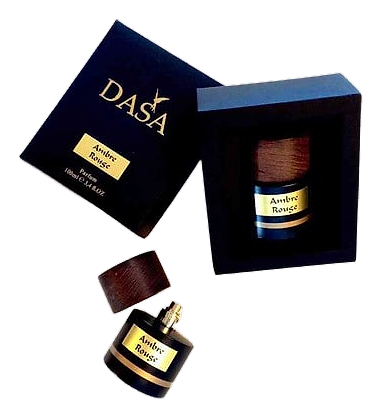
Ambre Rouge takes its name from the material at its center. Amber, the fossilized resin, not the color, has been an anchor of Eastern perfumery for centuries. The fragrance draws on this deep resonance, channeling resinous warmth into its structure. But the addition of lime and wild lavender signals a different character entirely: bright, almost medicinal citrus and herbaceous lavender pull against the warm base, creating a tension that defines the scent from the first spray. The name is simple. The intention is not.
The lime-lavender pairing is unusual. Lime reads sharp, almost astringent in the top, the kind of note that announces itself and clears the air. Wild lavender softens it slightly, adds a herbal, slightly camphoraceous dimension that keeps the opening from feeling like a cleaning product. But it's there to set up what comes next. The real story is the ambergris. That base material, derived from sperm whales, brings an animalic warmth that makes the vanilla and clove feel present, alive, rather than flat.
The evolution
The opening announces itself and retreats quickly. Lime cuts through first, sharp and bright, before the wild lavender steps in and softens the edges. Then the hand-off: vanilla and clove arrive together, sweet and warm, while the iris adds a powdery counterpoint that keeps the combination from becoming too edible. This is the heart of Ambre Rouge, warm, slightly spiced, intimate without being sweet. It endures longest before the ambergris and patchouli take over. The drydown is where the fragrance changes character. Ambergris doesn't smell like fish, that's a misconception. It smells like warmth that's been close to skin, a musky sweetness that deepens everything around it. Patchouli adds earth, a slight bitterness that keeps the vanilla honest. The vanilla doesn't disappear. It quietens, becomes a whisper. The whole composition settles close and intimate, clinging softly to the skin.
Cultural impact
Ambre Rouge stands apart from mass-appealing compositions. Ambergris, once a cornerstone of classical perfumery from the Renaissance through the 20th century, fell out of common use as synthetic alternatives became cheaper and more consistent. Its presence in this niche fragrance represents a return to traditional craftsmanship. The lime-lavender top accord brings bright, unexpected contrast while the ambergris drydown grounds the composition in deep, resonant warmth.