The Story
Why it exists.
The beginning
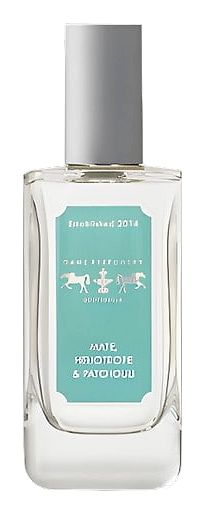
Jeffrey Dame built Mate, Heliotrope & Patchouli around the brand's core belief: three notes, well chosen, do more than thirty thrown together. Mate brought something Dame Perfumery hadn't tackled before, a green, herbal brightness with the depth of a brewed leaf. The pairing with heliotrope was deliberate: powdery florals can skew old-fashioned unless you anchor them right. Patchouli did the anchoring. What emerged was a fragrance that behaves like a private decision, you're choosing it for yourself, not for anyone watching.
Heliotrope is the quiet rebel here. It reads marzipan on paper, cherry pie in drydown descriptions, but paired with mate's slight bitterness, it flattens into something more wearable, less dessert, more atmosphere. The aldehydes aren't the sharp Chanel No. 5 kind; they're the gentle lift that keeps the herbal note from sitting heavy on the skin. Patchouli and amber in the base aren't trying to announce themselves. They're there to make sure you smell good the next time you catch your own wrist.
The evolution
The opening hits first with mate's green herbalism and a citrus spark from the lime peel, then the aldehydes give it a flicker of something almost effervescent. Within twenty minutes, the heliotrope arrives, soft, powdery, settling like a warm hand on the shoulder. The rose and iris layer in quietly, adding a floral weight that doesn't compete. By the hour, the base takes over. Patchouli's earthiness emerges alongside amber's resinous warmth, and the aldehydes linger longer than expected, a quiet backbone holding the sweetness from tipping over. Four to six hours later, you're left with something skin-close and warm, barely there but unmistakable if you know what you're looking for.
Cultural impact
Mate, Heliotrope & Patchouli sits comfortably in a specific niche: the fragrance that does one thing well and never apologizes for it. Wearers describe it as the scent they reach for when they want to smell good without thinking about it, a daily ritual rather than a statement. The powdery-heliotrope character appeals to those who find florals too delicate and orientals too heavy. It's been quietly in production since 2014, surviving on word of mouth rather than marketing budgets.