Lime Peel
Sharp, sun‑kissed citrus that lifts a blend with crisp acidity, lime peel delivers a vivid green zest that brightens both fresh and oriental compositions. Its aromatic profile balances bitter edge with sweet citrus oil, making it a versatile accent in modern perfumery.

Character
How it smells
Zesty citrus spark that awakens the senses.
Lime peel oil contains up to 70 % limonene, the same compound that gives gasoline its characteristic smell, yet in perfume it registers as fresh, uplifting citrus.








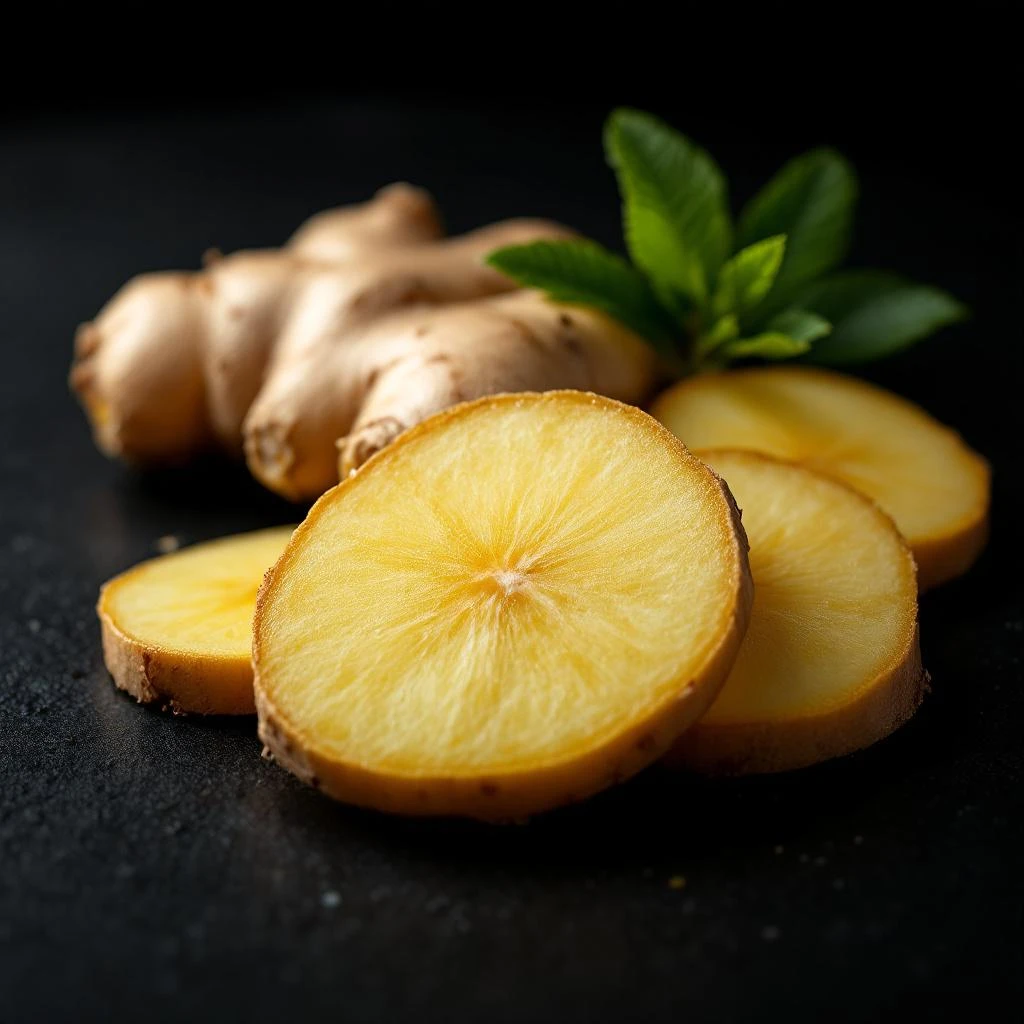
Origin
Mexico
Citrus fruits entered the Mediterranean world through trade routes that linked Persia and Egypt with Greece and Rome. Ancient Egyptians infused lime peel into scented balms for temple rites, noting its refreshing quality in papyrus records dated to 1500 BCE. Greek physicians prescribed lime zest for its invigorating scent, believing it cleared the mind during bathing rituals.
By the 16th century, Spanish explorers introduced lime peel to European courts, where it appeared in aristocratic toilette powders. The 19th century saw the first mechanical presses, allowing perfumers to isolate lime peel oil in measurable quantities. Early French maisons used the oil to brighten fougère and chypre compositions, establishing its role as a top‑note.
Today, lime peel remains a staple in both niche and mainstream fragrances, linking modern scent design to a lineage that spans millennia.
Wears it best
Fragrances featuring Lime Peel
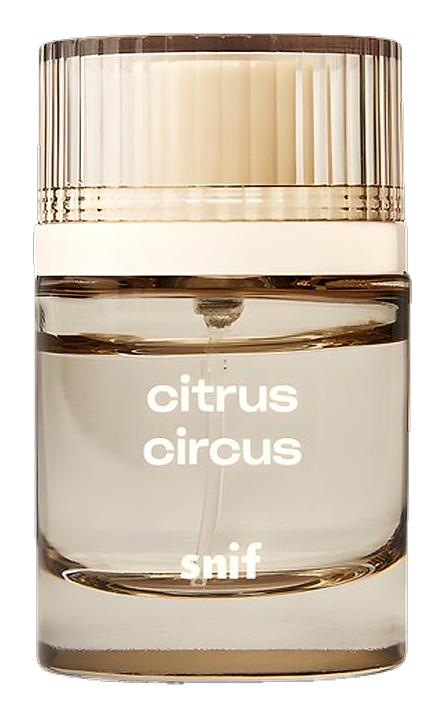

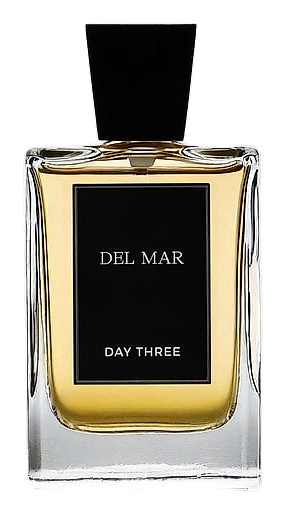
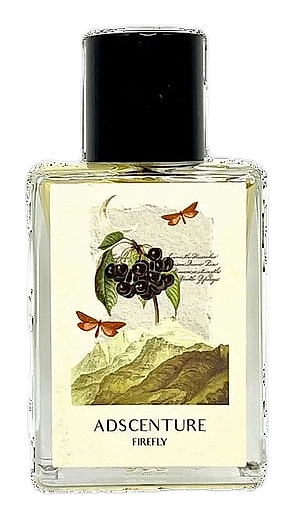
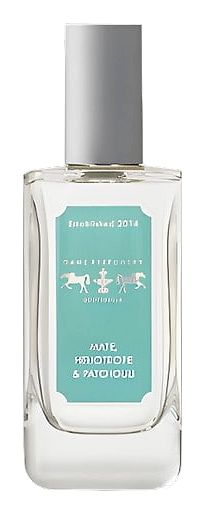
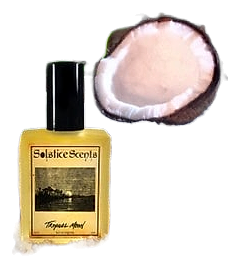
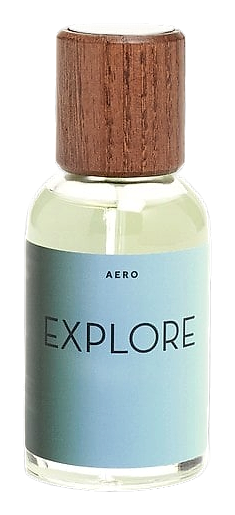
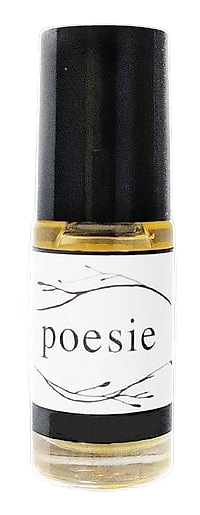
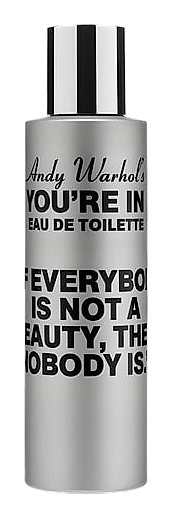

Brands
Brands known for Lime Peel
Good to know
Questions, answered
The essentials on Lime Peel in perfumery: how it smells, where it comes from, and how it behaves on skin.
What aroma does lime peel impart?
Lime peel adds bright, zesty citrus with a sharp, slightly bitter edge. The oil contains about 70 % limonene, which registers as a fresh, sharp scent in perfumery. This profile cuts through richer notes and lifts the overall composition, making it a popular top‑note in many blends.
How stable is lime peel oil in a perfume?
Lime peel oil oxidizes quickly, so perfumers typically use it within six months of extraction. A 2021 stability study showed a 30 % loss of limonene after 180 days in amber glass at 20 °C. Store the oil in cool, dark conditions to preserve its brightness.
What safety considerations apply to lime peel oil?
Lime peel oil can irritate skin at high concentrations; the EU limits its use to 0.5 % in leave‑on cosmetics. A 2019 dermatology report recorded mild erythema in 12 % of volunteers exposed to 1 % solutions. Dilute the oil before direct skin contact.
Which perfume families commonly use lime peel?
Lime peel appears most often in fresh, citrus, and aromatic‑herbal families. It pairs with bergamot, neroli, and lavender to create bright openings. In 2020, over 35 % of new niche launches listed lime peel among their top notes.
How does lime peel differ from lime leaf?
Lime leaf delivers a softer, leafy aroma, while lime peel provides a sharp, zesty citrus burst. Chemical analysis shows leaf oil contains 45 % linalool versus 70 % limonene in peel oil. Choose peel when you need a high‑impact top note.
Can lime peel be synthetically reproduced?
Chemists reproduce lime peel aroma with synthetic limonene, which mirrors the natural compound’s scent profile. The synthetic route, patented in 1978, yields 99 % pure limonene at industrial scale. While cheaper, it lacks the minor terpenes that give natural oil its depth.
What environmental impact does lime peel sourcing have?
Lime orchards provide habitat for pollinators, and peel waste can be up‑cycled into animal feed or bio‑fuel. In 2022, a Brazilian cooperative diverted 1.2 million kg of lime peel from landfill to bio‑energy projects. Sustainable sourcing reduces waste and carbon footprint.
How long does lime peel oil last after extraction?
Lime peel oil retains its bright character for about 12 months when stored in amber glass at 4 °C. A 2020 accelerated aging test recorded a 20 % drop in limonene after 365 days under those conditions. Keep the bottle sealed and away from light.