The Story
Why it exists.
The beginning
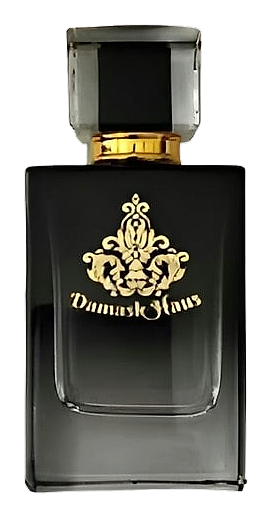
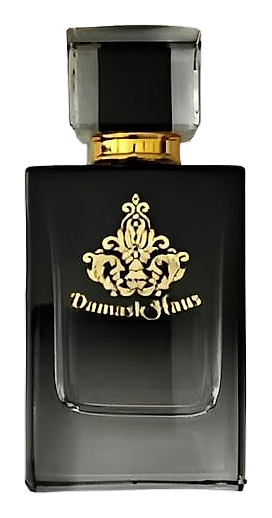
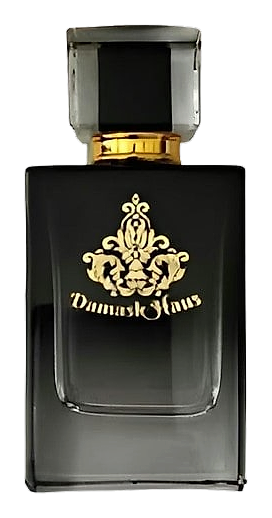
Tuscany Vineyard arrived in 2022 as part of Bri Beyer's rotating catalogue at Damask Haus, where she works as the nose behind the composition. The fragrance takes its cue from a place rather than a formula. Rows of vines heavy with fruit, the green chaos of leaves underfoot, the slow drift of a day that smells of earth and alcohol and patience. Here the story is simple: late light on Tuscan hills, a glass sweating in hand, grapes still warm from the vine. The fragrance cuts a narrow path through familiar territory. Grape at the top, wine and tomato leaf at the heart, a balsamic-vanilla base that holds everything together like resin on old wood. No fireworks. No pretense. Just a scene rendered in scent, the kind a perfumer builds when she trusts the material to do the work.
Grape as a top note is a deliberate gamble. Most fruit accords chase brightness, that clean, acidic snap of citrus or orchard fruit. Grape leans darker, heavier, closer to jam than juice. Pair it with red wine at the heart and the composition commits to an almost gourmand register without ever crossing into confectionery. The tomato leaf is the counterweight. Green, vegetal, faintly bitter, it stops the fruit from going syrupy and anchors the wine in something agricultural. Together they sketch a vineyard without painting the postcard. The base is where the composition earns its staying power. Peru balsam brings a warm, almost medicinal sweetness, like resin pulled from bark.
The evolution
The first fifteen minutes belong entirely to the grape. Not the bright, candied grape of children's bubble gum, but something riper, bruised almost, leaning toward jam and warm fruit skin. There's a faint vinous edge underneath, like breathing near an uncorked bottle. The sillage is moderate, close enough to catch on a wrist but not loud enough to chase. Around the thirty-minute mark, the tomato leaf arrives. It doesn't announce itself. It threads through the grape like a vine through a fence, adding that sharp, vegetal bitterness that keeps the opening honest. The wine accord deepens here, no longer just a suggestion but a fuller presence, warm and slightly tannic. The composition reads more savory than sweet in this phase, almost like crushed leaves after rain. By the two-hour mark, the fruit and green have softened into the base. Peru balsam takes the lead, bringing a warm, resinous sweetness that feels less like dessert and more like the smell of old wood in a wine cellar. Vanilla hums underneath without ever becoming the main event.
Cultural impact
Tuscany Vineyard exists as a named vineyard reference that carries a full bottle without leaning on designer branding, rooted in the kind of specificity that comes from rendering a real place in scent rather than chasing a mood or an abstract concept. Its production was apparently discontinued, which shapes how it circulates among those who encounter it. What makes the composition hold attention is its refusal to decorate. The grape note opens with conviction, almost edible in its ripeness, before the tomato leaf slices in with that green, slightly bitter crackle of a living vine.