The Story
Why it exists.
The beginning
Neuschwanstein borrows a name heavy with romantic architecture and stonework, a single word that pulls the mind toward something elevated and storied before the bottle is even cracked open. Perfumer Bri Beyer translated that visual sense into scent, and the result is a composition that manages to balance something lofty and architectural against something intimate and edible. There's a tension baked into the formula between cool air and warm pastry, between spires and hearth, and the perfume doesn't shy away from living in both registers at once. The opening reads almost architectural in its clarity, pale and cool enough to suggest open sky, while the base curls into something softer, something that smells like a room where bread was baked an hour ago.
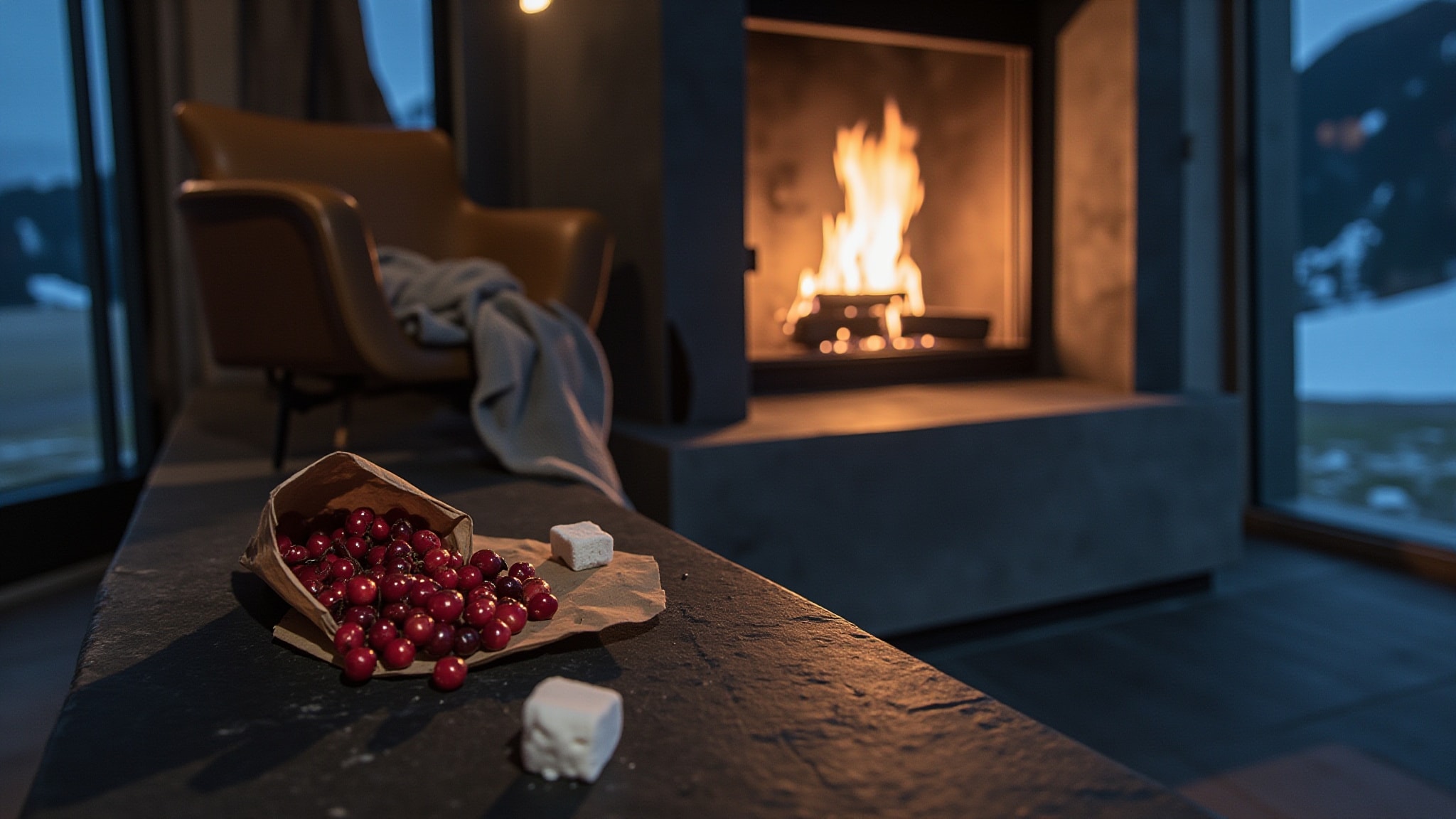
Neuschwanstein plants a flag in the middle of a pairing that should clash on paper, and the marshmallow-rum heart is the hinge that makes it work. Rum brings a fermented, slightly sticky depth that keeps the sweetness from collapsing into pure sugar, and red berries cut just enough tartness to stop the vanilla from going flat and one-dimensional. It's a structure built on contrasts, cool mint at the top and warm vanilla at the base, and it holds together because the middle knows how to negotiate between the two camps without picking a side.
The evolution
The opening belongs to mint and an airy accord that reads light, almost glacial, the kind of first impression that makes you lean in. Red berries arrive next, threading in around the cool air and shifting the temperature just slightly. Then come the marshmallow and rum, and that's where the fragrance stops being cool and starts being warm. The heart phase is the loudest this composition gets, dense and sweet and softly spiced, a gourmand turn that settles over the skin and asks to be smelled for a while. After a long stretch in that sweet middle, the patchouli and vanilla settle in, grounding everything in something woodier and drier, less confection, more quiet room with the windows closed. The woody base and patchouli carry through as a skin scent, warm and slightly resinous, a low hum more than a melody.
Cultural impact
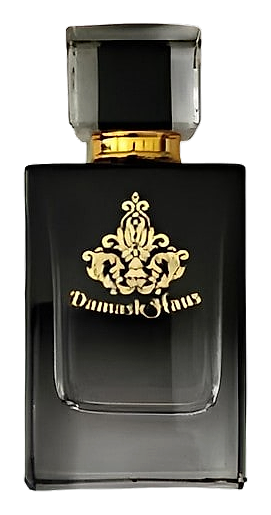
As one of the early releases in Damask Haus's catalogue, Neuschwanstein carries a kind of inaugural weight, the sense of a house announcing what it's willing to attempt. It rewards curiosity, the kind of fragrance that earns its place by refusing to be obvious, by holding together cool mints and warm rums in a way that shouldn't quite function and yet does. The composition handles sweet, approachable materials while making space for less obvious supporting notes, and that willingness to mix registers is what makes the scent stick in memory.