The Story
Why it exists.
The beginning
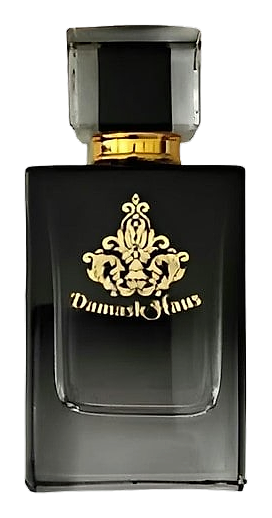
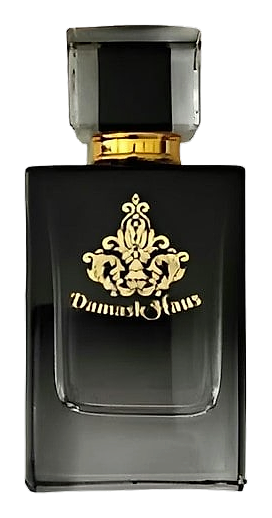
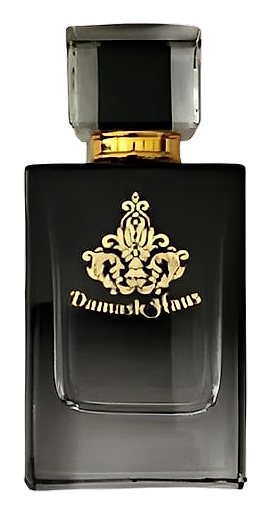
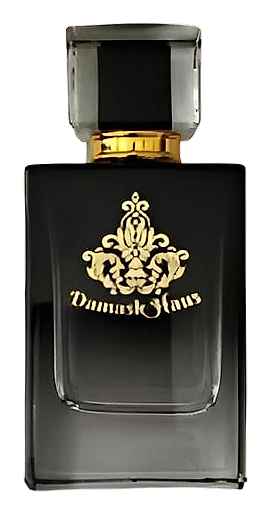
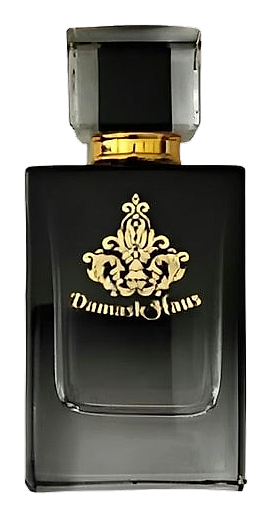
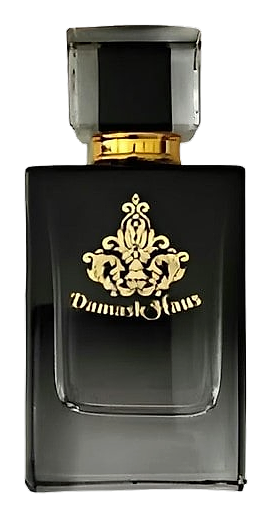
Centaur launched in 2021 from Damask Haus, an indie house that released the fragrance the same year. Half-human, half-forest, the centaur is an old symbol of the threshold between civilization and wilderness, the moment a traveler steps out of the treeline and remembers the air has weight. That tension runs through the composition: nothing bright, nothing sweet, nothing loud. Just oakmoss, sandalwood, Siam benzoin, cedar, and musk working in a tight circle around the same warm, green center. The composition reads as an exercise in restraint, where each material is given space without any one of them stepping forward to claim attention.
What makes Centaur interesting isn't any single material but the way the composition refuses to let any of them lead. Siam benzoin could dominate as a resinous sweetness, but here it behaves more like a binder, lending warmth to sandalwood's cream and pulling oakmoss's green into something almost edible. Oakmoss itself is a divisive material, earthy, damp, faintly animalic, and it functions as the gravitational center rather than an accent. Cedar sharpens, musk softens, and the whole thing reads as a single chord rather than a sequence.
The evolution
Centaur doesn't announce itself. The first 20 minutes read as a soft haze of cedar and musk, a faintly powdery cloud that settles onto skin without fanfare. Then the oakmoss arrives, not green exactly but mineral, like the smell of stone after a long rain. As the hour turns, sandalwood's cream swells beneath it, and the benzoin begins its slow work in the background, a resinous sweetness that never quite crosses into gourmand territory. By the third hour the composition has compressed into something close and warm, moss over embers, the powdery edge of musk still holding the perimeter. The scent stays close to the body, the kind of fragrance that rewards leaning close rather than stepping back. On fabric the next morning, faint traces of benzoin and oakmoss cling to a collar or scarf like a memory the wearer forgot they left behind.
Cultural impact
Centaur sits comfortably in the lineage of moss-and-resin compositions, the kind of quiet woody fragrance that wears well in cooler air and rewards close attention. It carries a powdery, slightly old-fashioned sensibility without tipping fully into vintage territory, a warmth that feels familiar on skin rather than borrowed from another era. The composition is deliberately restrained, built for the wearer rather than the room. Oakmoss provides the damp, mineral foundation, while sandalwood's cream and Siam benzoin's quiet sweetness soften the edges. Cedar sharpens the structure, and musk holds everything in a close, skin-like embrace.
The House
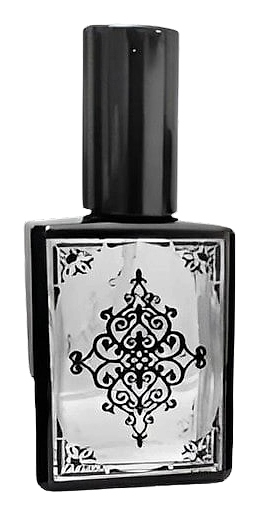
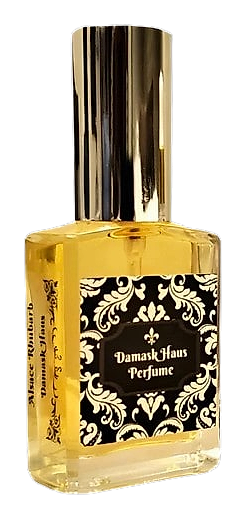
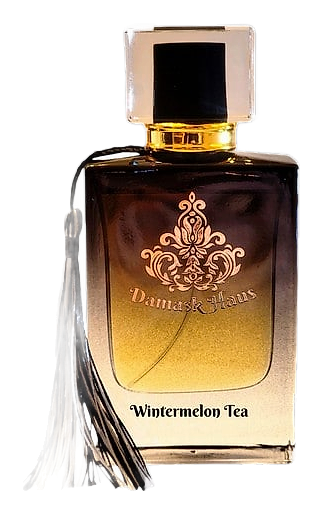
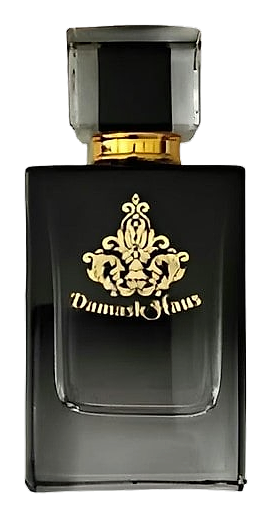
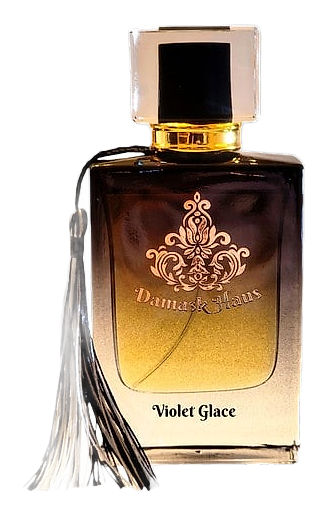
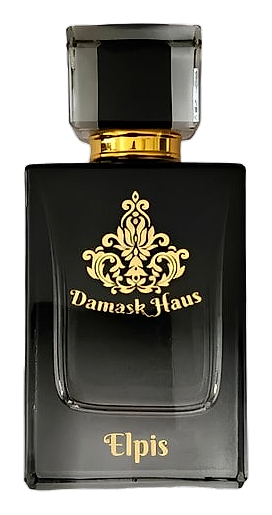
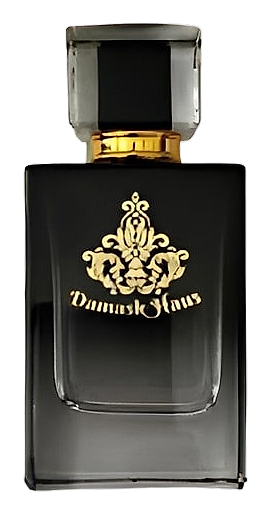
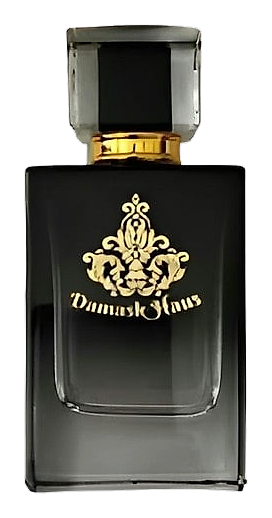
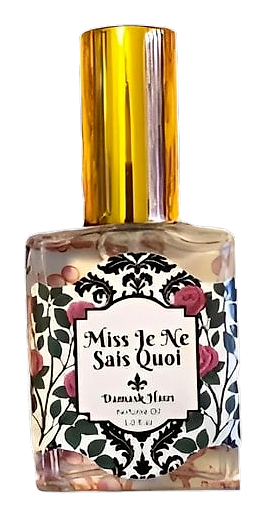
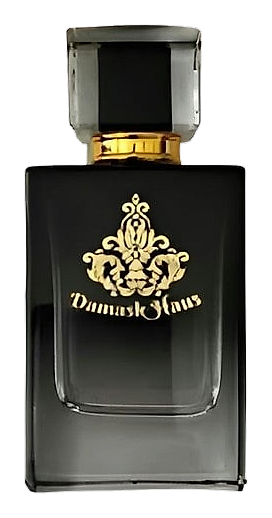
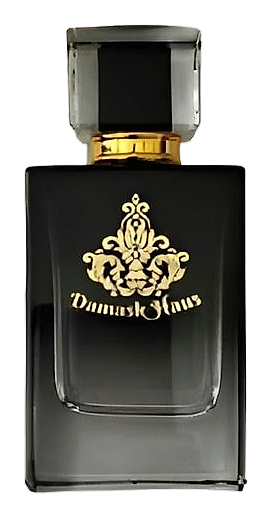
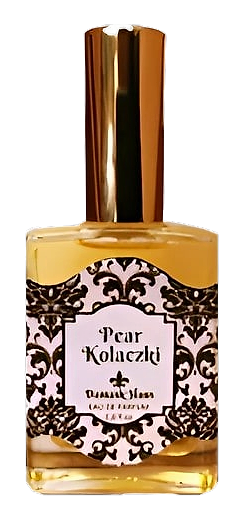
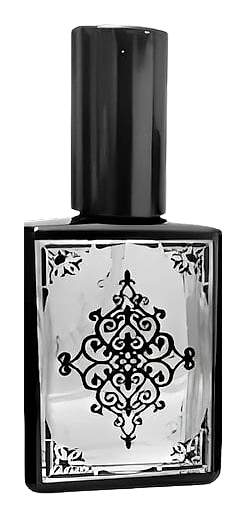
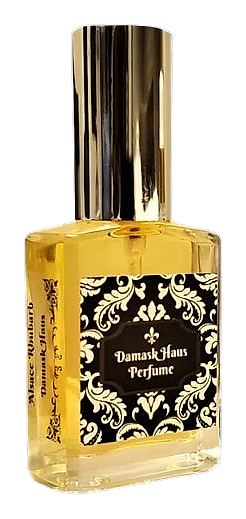
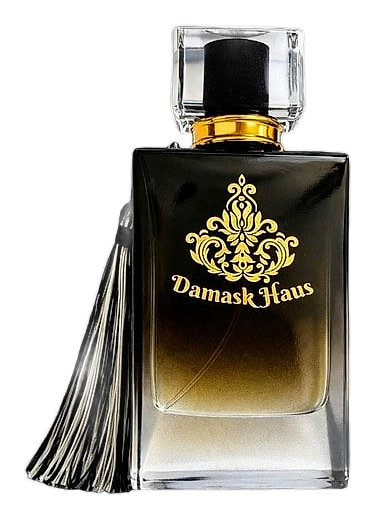
Damask HausDamask Haus is an indie fragrance house that emerged in 2021 under the direction of perfumer Bri Beyer. The brand offers a rotating catalogue of hand‑crafted scents, each presented in a minimalist bottle that lets the perfume speak for itself. Reviewers note the house’s willingness to explore unexpected pairings, from fruit‑forward accords to smoky woods, while keeping a focus on balance and wearability. Damask Haus positions itself as a creative laboratory for scent lovers who appreciate a personal touch and transparent sourcing.
The Creator
Bri BeyerBri’s signature technique centers on a stark, linear composition that highlights a single accord before introducing subtle counterpoints. She favors white musk, ambergris, and soft woods, using them to create a luminous base that supports fleeting top notes of citrus or green…