
The Story
Why it exists.
The beginning
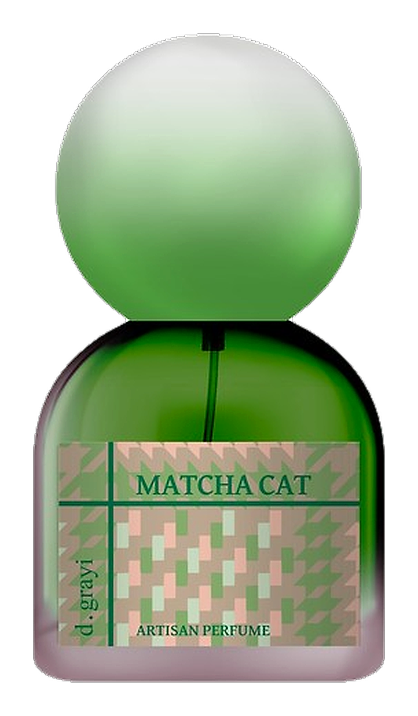
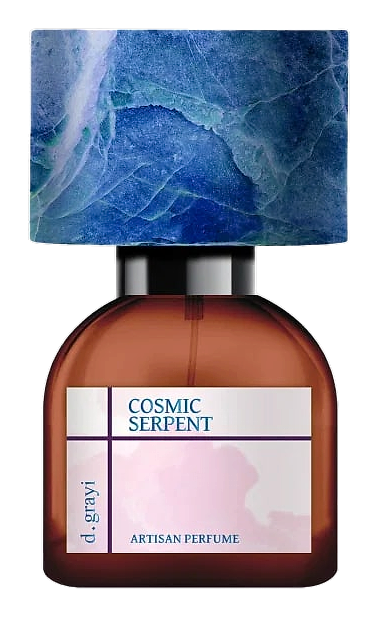
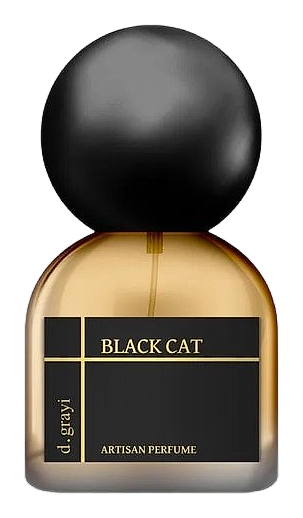
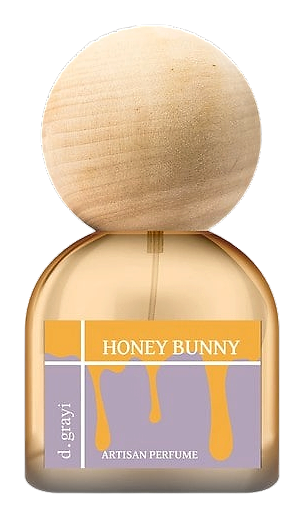
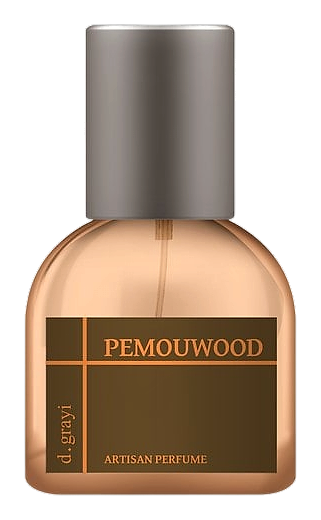
Pemouwood arrived in 2024 from James Nguyen's studio under the d.grayi label. The name folds together two ideas: pomu wood, a Vietnamese-grown material prized for its resinous sweetness and woody fixative quality, and neroli, the orange flower that opens the composition. It's a scent built around clarity, and that clarity shows up immediately in how the fragrance wears. The neroli arrives with that distinctive bitter-orange brightness, lifted and slightly cool, the kind of opening that feels almost translucent on skin. White pepper threads underneath, adding a quiet static that keeps the citrus from feeling too clean or too familiar. Pomu wood sits at the heart of the composition, and its resinous pull gives the whole thing a grounded, slightly sweet architecture.
What makes Pemouwood interesting is what it leaves out. The reference list is short: white pepper and neroli on top, a woody heart, sandalwood and cedarwood below. Vietnamese-grown pomu wood anchors the structure with its resinous fixative pull, a material that carries both sweetness and depth in equal measure. The neroli lifts the opening without tipping into cologne territory, maintaining that bitter-orange character even as the woods start to press upward through it. Around the midpoint of the wear, the composition shifts.
The evolution
The first fifteen minutes are all neroli, bright and slightly bitter, with white pepper threading underneath like static. There's a coolness to it, almost translucent, the kind of citrus opening that makes you check your wrist twice to make sure it's actually there. The neroli has that distinctive orange-flower character, lifted and clean, but the pepper keeps it from feeling like a straightforward cologne. Around the thirty-minute mark, the woody heart starts pressing up through the neroli. It doesn't replace the citrus so much as fold it inward, pulling that brightness down into something grainier and more grounded. The pomu wood makes itself felt here, that resinous sweetness threading between the citrus and the emerging base. The transition is clean, almost architectural, the kind of shift that happens without any jarring edges.
Cultural impact
Pemouwood occupies a quieter corner of the d.grayi catalogue, a release that reads almost restrained compared to what woody fragrances often offer. Wearers tend to describe it as an everyday woody, the kind that works in transitional weather and doesn't demand a specific mood to justify wearing it. The composition's clarity is part of its appeal. There's no smoke pulling the scent toward darker territory, no oud-heavy scaffolding weighing down the drydown. Just neroli, white pepper, pomu wood, sandalwood, and cedarwood, each material given room to breathe.