The Story
Why it exists.
The beginning
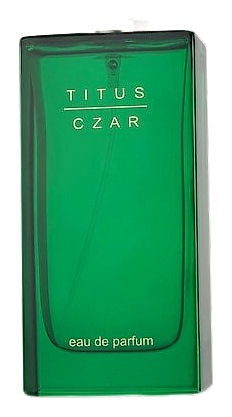
Titus carries the kind of authority that operates through restraint rather than display. The name itself sets the expectation: a presence that doesn't need to announce itself to be felt. Inside the bottle, the composition lives up to that promise. A blend of white musk, oud, amber, patchouli, and green tea doesn't aim for spectacle. It's built to endure. Each material pulls its weight, contributing something essential to the whole rather than serving as ornament. Nothing reads as decorative. The green tea brings a dry clarity, the oud a grounded depth, the amber a steady warmth, and the patchouli an earthy counterpoint. White musk anchors everything with a quiet softness that keeps the composition close to the body.
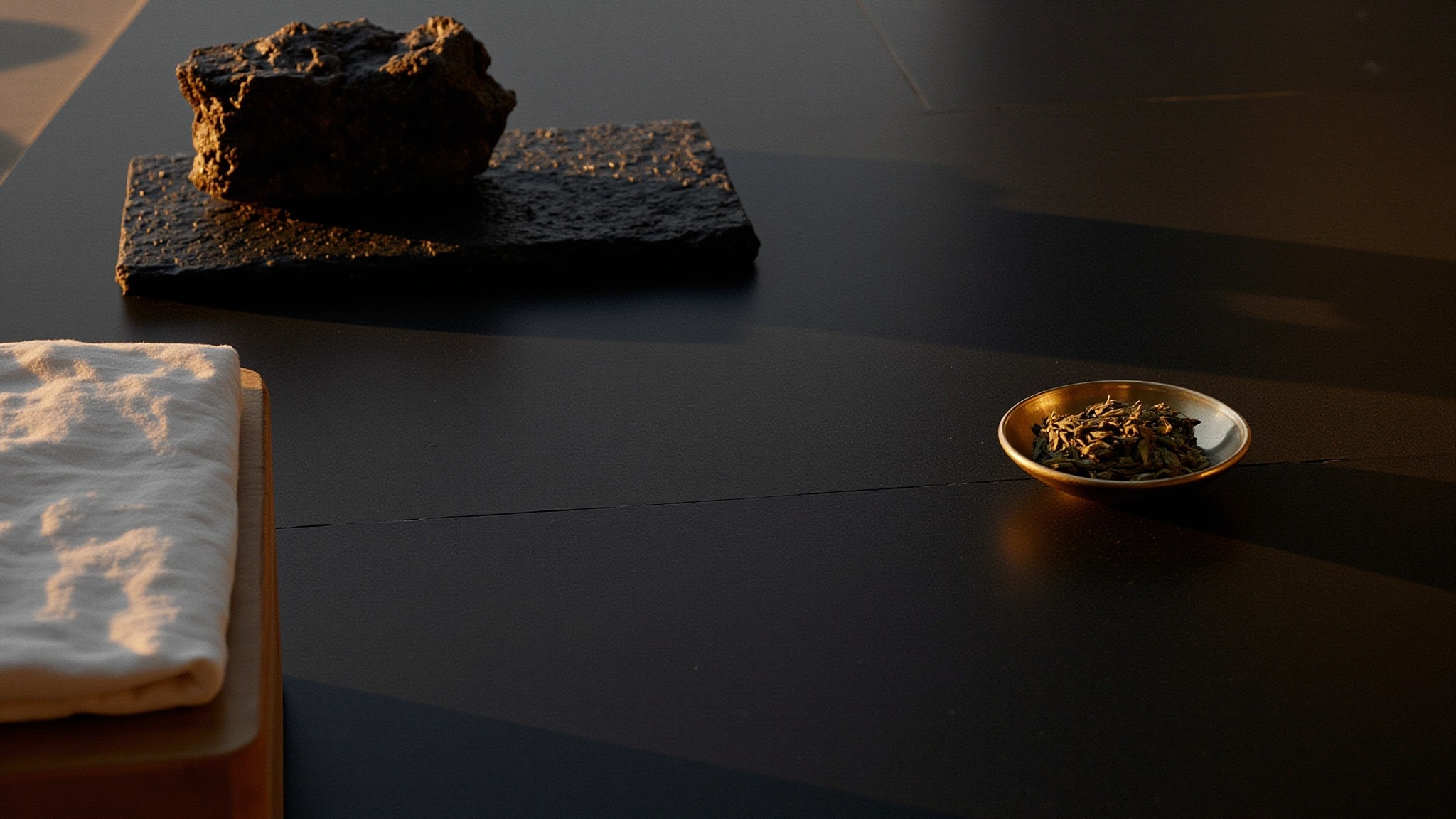
The green tea is what makes Titus interesting. It threads through the top and into the heart, introducing a dry, almost mineral quality that keeps the oud honest. Without it, the composition would tip heavy. With it, the patchouli reads greener, the amber less syrupy, and the white musk gains an almost transparent edge. The oud itself arrives not as a blunt statement but as something quieter, woody and resinous without tipping into territory that overwhelms. The patchouli underneath grounds the opening with an herbal weight that never tips into dust.
The evolution
The opening is brisk. Green tea leads, slightly bitter, almost grassy, with patchouli underneath first reading herbal before deepening into its darker, earthier register. The oud arrives not as a wallop but as a slow current. As the composition breathes against the skin, it shifts from green and clean to something warmer and more grounded. There's no sharp transition, no moment where the fragrance announces it has changed phases. It just deepens. The heart phase is where amber and white musk take over, and the warmth builds gradually, almost imperceptibly at first. The oud gains weight, the amber rounds out, and the green tea retreats into the background like a memory rather than disappearing entirely. Eventually the composition settles into its drydown: white musk and residual amber close to the body, together with the soft undertone of aged oud.
Cultural impact
The oud-amber-patchouli core places Titus in conversation with oriental fragrance traditions rooted in resinous, woody compositions. The green tea moderation signals a more restrained sensibility, one that values transparency and clean edges over density. The composition feels contemporary in its willingness to leave space between materials, letting each note register clearly rather than fusing into a single mass. Titus reads as a study in controlled power, where restraint becomes its own form of statement. The fragrance rewards close attention, revealing more the longer it stays on skin.