The Story
Why it exists.
The beginning
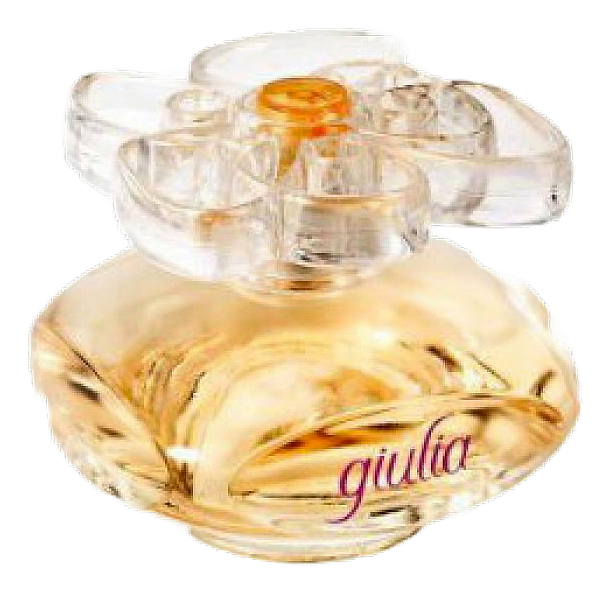
Giulia arrived in 2011, a fresh-floral composed by perfumer Carmita Magalhães. The brief reads simple on paper: two white flowers, nothing else. Jasmine. Magnolia. But there's nothing simple about a composition that hands the entire stage to flowers this loud and asks them to carry the day without a supporting cast of amber, musk, or woods underneath. The jasmine comes through with that narcotic sweetness white florals are known for, the kind that fills a room by thinking about it. Magnolia steps in beside it, offering a creamy, almost citrus-edged warmth that rounds the whole thing into something that reads as petals rather than perfume. There's a green coolness underneath both notes, a hint of the leaves and stems that real magnolia carries when it isn't distilled into something polite.
What makes Giulia interesting is the restraint of the pyramid. Two heart notes, no listed top or base. Carmita Magalhães let jasmine and magnolia do all the talking. Jasmine brings the indolic sweetness, that dense, almost heady quality real jasmine carries when it's allowed to speak for itself. Magnolia softens it, adds a creamy, lemony warmth that keeps the jasmine from going sharp. The interaction between the two notes shifts throughout the wear. At moments the jasmine pulls forward, warm and slightly rubbery in the way jasmine tends to get when the air is humid.
The evolution
On skin, Giulia opens with jasmine front and center, big and slightly indolic, the kind that smells like actual flowers instead of a soap that wishes it was flowers. Magnolia softens the edges shortly into the wear, adding that buttery cream note that magnolia does so well, like a spoonful of something rich and quiet stirred into the jasmine. The opening phase is the loudest. Floral, warm, present. The jasmine dominates, unapologetic about its presence, filling the immediate space around the wearer with that dense white-floral scent. As the wear progresses, the indolic edge softens. The magnolia starts to win the conversation, pulling the composition toward that creamy, lemony territory it's known for. The detectable profile shifts from the bold opening to a softer white-floral hum that feels closer to skin.
Cultural impact
Giulia sits in an interesting place: a white-floral composition built around two flowers and nothing else. The jasmine brings the density, the almost narcotic sweetness that real jasmine carries when it isn't tamed by a heavy base. The magnolia softens the whole thing, adding a creamy, lemony warmth that keeps the jasmine from going sharp. Together they create a fragrance that feels intentional in its restraint. It's a composition that could have leaned into the gourmand trend, could have added vanilla or musk or woods to extend its wear, but it didn't.