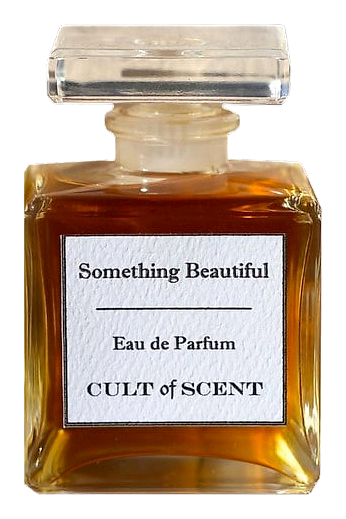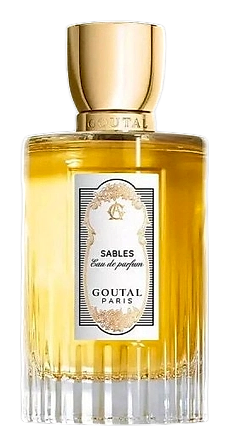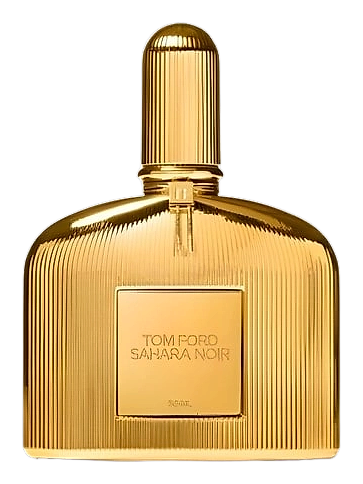
The Story
Why it exists.
The beginning
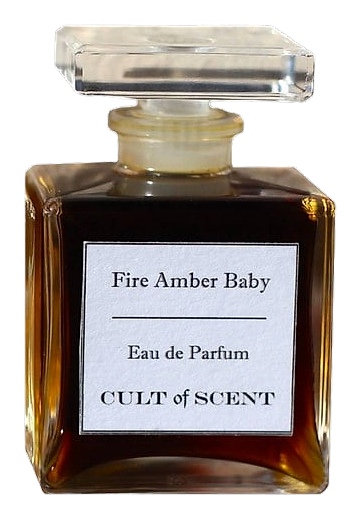
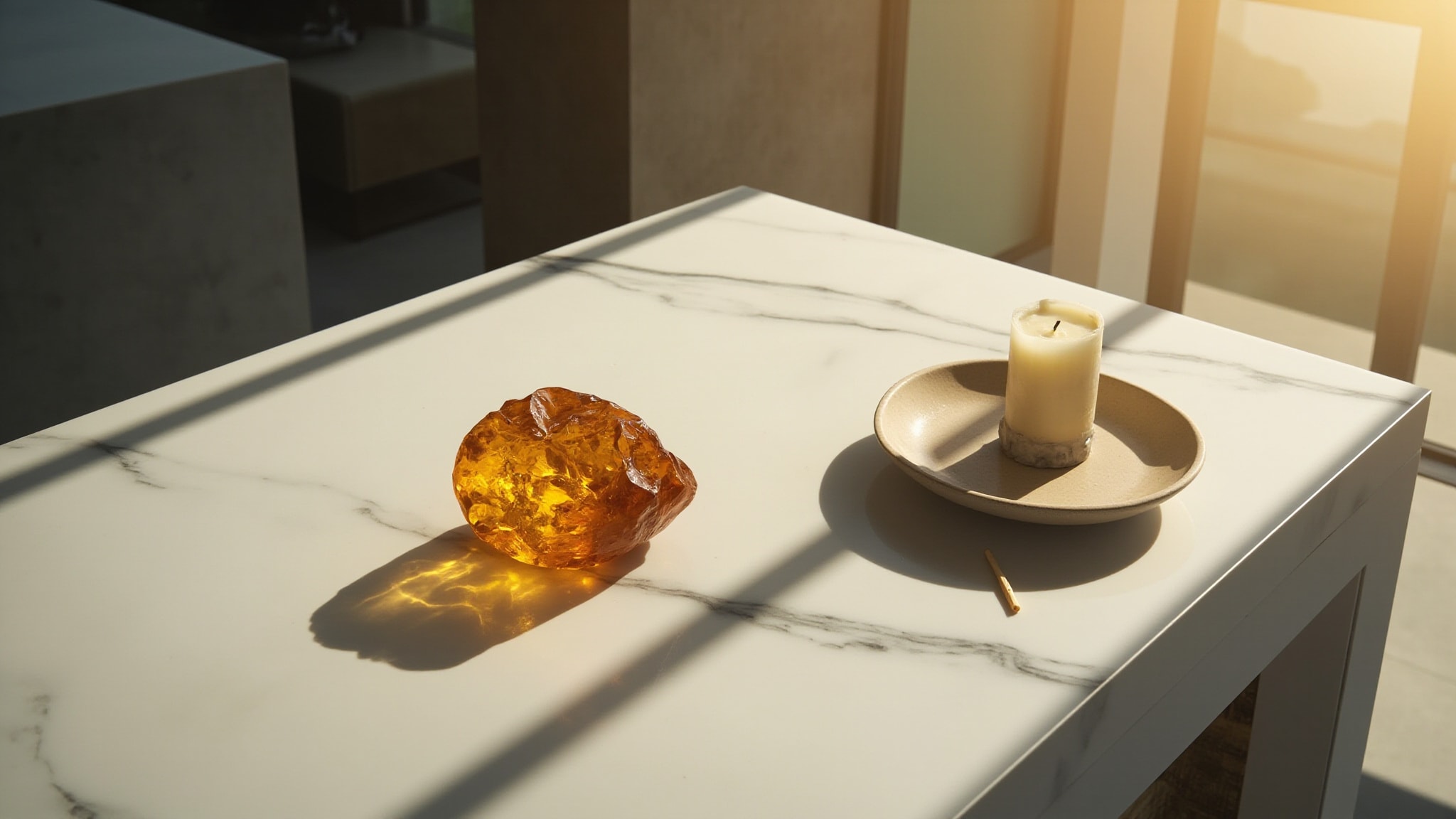
The name says everything. Fire and amber, warmth and danger in one phrase. Perfumer Jocelyn Fullerton built Fire Amber Baby around a single tension: amber's natural sweetness versus the honesty of smoke. The brief was simple enough, make something warm, something that lingers, but the execution required restraint. Too much amber and you have a dessert. Too much smoke and you have a pyre. Fullerton threaded incense and labdanum through both, creating a fragrance that stays warm without ever going soft. Released in 2014, it became one of Cult of Scent's signature pieces almost immediately.
What makes this pyramid work is the balance between sweetness and smoke. Amber on its own can tip into linearity, it smells beautiful for twenty minutes and then repeats itself. The addition of labdanum adds an animalic depth that prevents that. It's resinous and slightly leathery, a counterweight to the amber's golden warmth. Incense does the structural work here, bridging the gap between the smoke and the sweetness and keeping the composition from becoming either too heavy or too thin. Rich but never cloying, that's the line Fullerton walked.
The evolution
Fire Amber Baby opens on smoke, no question. The first minutes are all resin and incense, the kind of clean-burning warmth that reminds you something was just extinguished. Then the amber arrives. Slowly, like the last of the sunset, it spreads across the composition until the smoke is just an undercurrent rather than the main event. The labdanum keeps everything grounded during this transition, it has a faint animalic edge that prevents the amber from going flat or powdery. By hour three, the incense has softened into something almost resinous, and the amber has settled into a warm, close-to-the-skin sweetness. The drydown is deceptive: it reads as quiet, but it lasts. Ten hours on most skin, longer on fabric. The next morning, there's a faint warmth left on your collar that you didn't spray.
Cultural impact
Fire Amber Baby has become one of Cult of Scent's most discussed releases. The fragrance attracts wearers who want warmth without the syrupy sweetness that often defines the amber category. Within niche fragrance communities, it's noted for longevity that outlasts most comparably priced competitors, a quiet performer rather than a statement piece. The moderate sillage suits it: the fragrance rewards proximity rather than announcing itself.
The House
Cult of ScentCult of Scent emerged from a boutique commission in late 2008, when a local shop owner asked for a signature fragrance line to sell alongside other goods. The brand grew organically from that single request, eventually building a devoted following among fragrance enthusiasts who appreciated its unconventional approach to scent composition. Operating outside the traditional perfume industry hierarchy, Cult of Scent crafts fragrances in small batches with an emphasis on atmospheric storytelling. Each release tends toward evocative, conceptual themes that invite wearers to construct personal narratives around the scents. The brand's catalog spans woody, oriental, and floral orientations, though individual fragrances often blend these categories in unexpected ways. Rather than pursuing mainstream appeal, Cult of Scent has cultivated a reputation among collectors who value artistic独立性 and unconventional construction.
The Creator
Jocelyn FullertonBotanicals define Fullerton's signature. She works with natural materials not as an ideology but as a preference born from expertise.