

The Story
Why it exists.
The beginning
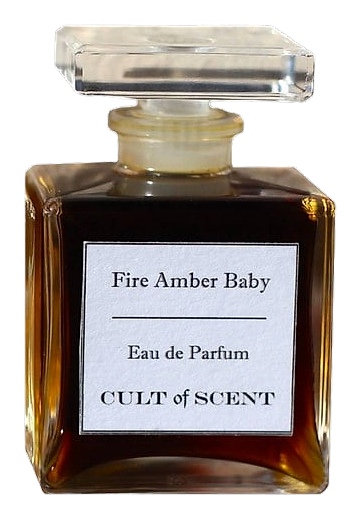
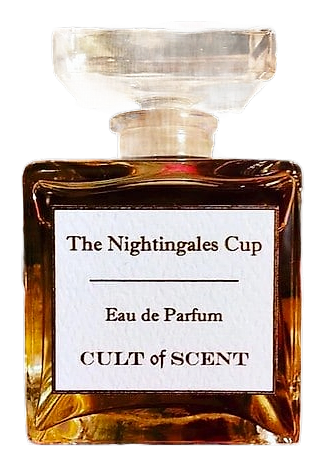
The name came from Rumi. 'When the rose is withed and the garden is gone, you will hear no more the nightingale's song.' The Persian poet knew something about beauty persisting past its season, about attar surviving when the flower itself is gone. That tension between transience and permanence became the whole idea behind The Nightingale's Cup. Released in 2016 by Cult of Scent, this fragrance explores a single question: what if a rose began cold and grew warm? The cool citrus opening is the foundation. The warm rose heart is the culmination. What happens between them is the experience.
The cool citrus opening is the structural hinge of this composition. The sharp, sparkling lemon holds the space before warmth can gather. That temperature contrast, cold opening, warming heart, makes the rose read as sun-soaked rather than dewy. The rose itself is warmer and more golden than a typical soliflore, with ambergris and oakmoss beneath providing depth and richness.
The evolution
The opening hits bright and stays there longer than expected. That cool citrus clarity hangs in the air, sharp and clear. For the first thirty minutes, this is all structure and sharpness. No softness yet. Then the rose arrives. A slow accumulation of warmth, like sunlight gathering through glass. The lemon recedes in proportion as the rose gains presence, until the citrus is just a memory and the florals are doing everything. What started cool is now warm. What felt clean now feels sun-soaked. The ambergris and oakmoss have been present beneath the surface this whole time, and as the citrus fully withdraws around the two-hour mark, the base finally begins to show itself. The drydown settles close to the skin. Intimate, not aggressive. The iris adds a soft, powdery quality that reads almost violet-like, while the oakmoss brings an earthy depth that grounds everything.
Cultural impact
The Nightingale's Cup arrived in 2016, a release from an indie house that had been operating outside the traditional fragrance hierarchy. The brand focuses on fragrance as invitation rather than statement, scents that reward attention and repeated wearing. This one rewards patience. The rose-forward composition with its base notes of oakmoss, iris, and ambergris appeals to people who want a rose with actual character.
The House
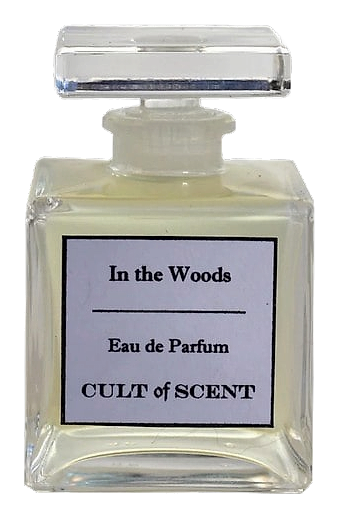
Cult of ScentCult of Scent emerged from a boutique commission in late 2008, when a local shop owner asked for a signature fragrance line to sell alongside other goods. The brand grew organically from that single request, eventually building a devoted following among fragrance enthusiasts who appreciated its unconventional approach to scent composition. Operating outside the traditional perfume industry hierarchy, Cult of Scent crafts fragrances in small batches with an emphasis on atmospheric storytelling. Each release tends toward evocative, conceptual themes that invite wearers to construct personal narratives around the scents. The brand's catalog spans woody, oriental, and floral orientations, though individual fragrances often blend these categories in unexpected ways. Rather than pursuing mainstream appeal, Cult of Scent has cultivated a reputation among collectors who value artistic独立性 and unconventional construction.
The Creator
Jocelyn FullertonBotanicals define Fullerton's signature. She works with natural materials not as an ideology but as a preference born from expertise.