The Story
Why it exists.
The beginning
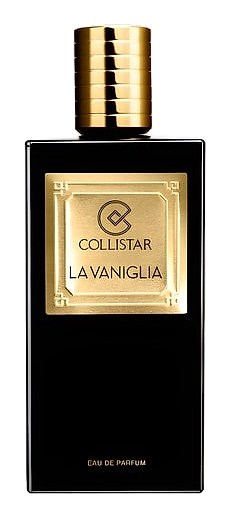
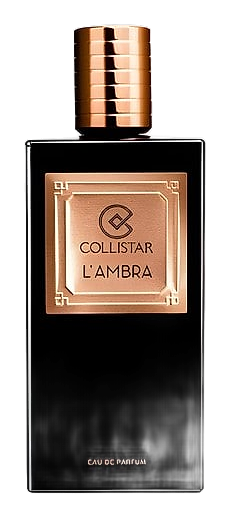
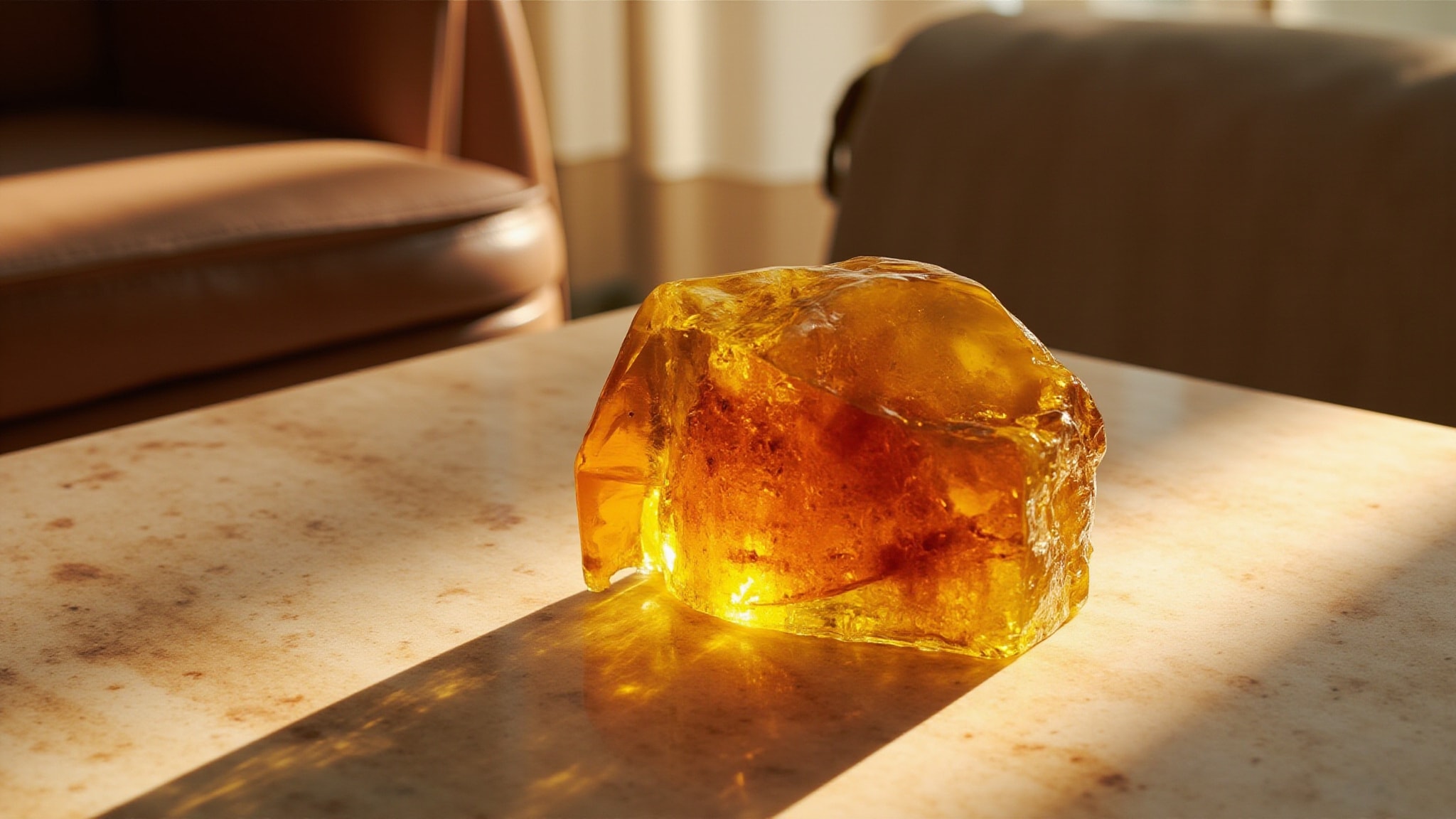
L'Ambra arrived in 2016 from Fabrice Pellegrin, the fifth-generation Grasse nose behind some of the most considered oriental compositions of the past two decades. For Collistar's Prestige Collection, Pellegrin reached for amber, not as a single note but as an atmosphere. The brief was simple: build a fragrance around the feeling of warmth retained. Bulgarian rose was chosen for its density, the way it carries weight without veering into abstraction. Everything else, sandalwood, cashmere wood, patchouli, exists to hold that rose up and keep it warm for hours.
What makes L'Ambra structurally interesting is the middle ground. Most oriental fragrances move quickly from bright opening to deep drydown. Here, amber and cashmere wood occupy the heart alongside the rose, creating a sustained warmth that doesn't resolve until the benzoin and frankincense arrive. Those base materials, resinous, slightly smoky, give the warmth a physical texture rather than just an impression. It's not a fragrance that stages a dramatic transformation. It's one that stays.
The evolution
The Bulgarian rose opens with immediate presence, not sharp but insistent. Within twenty minutes, sandalwood and cashmere wood arrive, softening the rose's edges into something creamier. The patchouli shows up quietly, pushing warmth downward toward the skin rather than outward. By the second hour, benzoin takes over, the resinous, vanillic quality that makes oriental fragrances feel inhabited. Frankincense lingers longest, adding a faint smokiness that stays close and intimate. On fabric, it holds for most of a workday.
Cultural impact
L'Ambra sits comfortably in the tradition of warm, rose-forward orientals, fragrances that don't announce themselves but hold attention once noticed. It performs well in cooler months and reads as quietly confident rather than performative. The kind of fragrance people notice and ask about, rather than one that fills a room.