
The Story
Why it exists.
The beginning
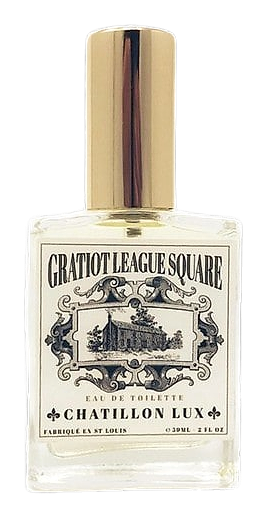
Gratiot League Square takes its name from a historic plaza in St. Louis, a city that Shawn Maher has called home since before he ever conceived of founding his own fragrance house. The square itself is layered history: parts of Forest Park fall within its bounds, along with Dogtown and The Hill, two neighborhoods with roots stretching back to the 19th century. The name traces further, to Charles Gratiot, Sr., a fur trader from Montreal who married into the prominent Choteau family and eventually bequeathed a league of land to the city. Maher named his debut fragrance after this place not because it is a single landmark but because it is a convergence of stories, the kind of layering that makes a city smell like itself.
What makes this composition distinctive is not any single material but the way three worlds coexist: the spice trade (clove, nutmeg, bergamot), the leather trade (tobacco, leather, vetiver), and the floral understory that softens both (rose, amber). Most fragrances commit to one territory. Gratiot League Square refuses to choose, and that ambivalence is exactly where its character lives. The leather does not dominate. The tobacco does not overwhelm. The rose is present without announcing itself. Balance, here, is not timidity, it is confidence that does not argue.
The evolution
The opening arrives bright, almost sparkling. Bergamot leads, but the clove follows within minutes, a warm prick of spice that announces this will not be a polite fragrance. By the second hour, the leather has asserted itself, paired with tobacco and a thread of rose that reads as warmth rather than florality. The drydown is where this fragrance earns its reputation: a vanilla-amber base that softens everything without muddying it, vetiver providing just enough earth to keep the sweetness honest. Eight to ten hours on most skin. On fabric, it lingers until the following day, a ghost of leather and warm spice that asks nothing of you.
Cultural impact
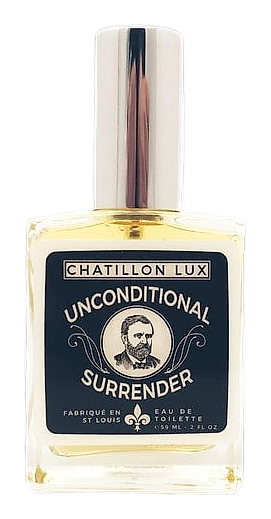
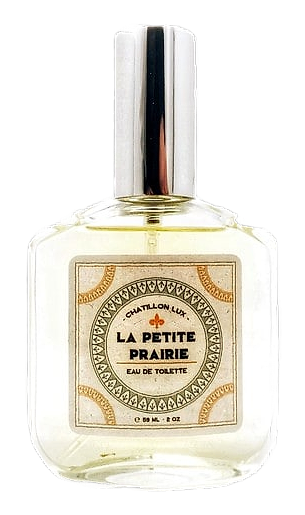
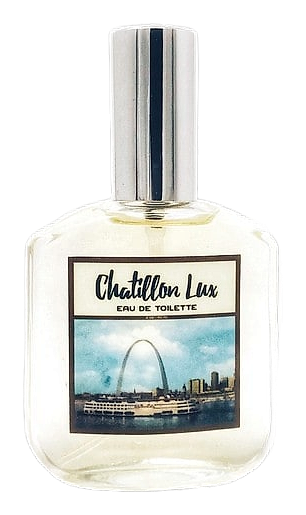
Gratiot League Square arrived in 2016 as a statement fragrance from Shawn Maher's Chatillon Lux, a micro-batch perfumery operating from St. Louis, Missouri. The debut marked a rare entry into the niche fragrance market from the American Midwest, a region largely overlooked by artisan perfumers at the time. Maher's approach, grounding each release in local history and place, helped establish a template for regional fragrance houses that followed. The naming convention alone, referencing a historic St. Louis neighborhood, invited wearers into a specific urban narrative.