
The Story
Why it exists.
The beginning
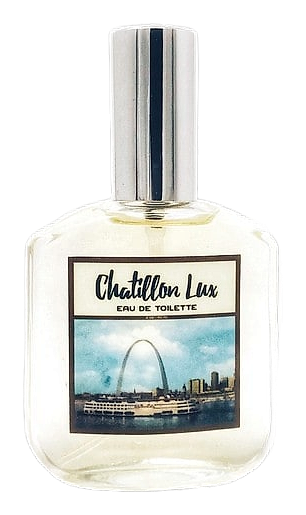
Named for and inspired by the Admiral, a riverboat that spent decades patrolling the Mississippi near Saint Louis, one of the art deco icons of mid-century modern America. Shawn Maher grew up near that river, watched that boat pass. When he set out to translate the feeling of summer on the water into scent, he didn't reach for literal aquatics. He went for the grass on the bank, the warmth in the air, the quiet presence of something that had been there all along. The Admiral is a memory made olfactory.
What makes this composition unusual is how the aquatic note plays second fiddle. Lemongrass and verbena open sharp and green, almost citrusy, while the sage that follows grounds everything in something herbal and meditative. The smoke doesn't dominate, it softens, wrapping around tonka bean's sweetness like evening mist over water. Blackcurrant bud adds a tartness most people miss entirely, but it keeps the sweetness honest. This is a fragrance built for the space between notes, not the notes themselves.
The evolution
The opening hits green and bright at the same time, lemongrass first, then verbena sliding in beside it. The bergamot adds a brief flash of citrus before the aquatic layer softens the whole thing, like a breeze off the river. Within fifteen minutes, the sage arrives. That's the turning point. The sharp green quality settles, deepens, becomes something almost medicinal before it rounds out. The heart lasts a good two hours, the longest phase of the fragrance. Then the drydown arrives quietly: musk first, clean and skin-close, before the tonka bean slowly unfurls into vanilla warmth. The smoke is last. It never overwhelms. It just lingers, soft and sweet, until the whole thing fades into skin warmth by hour six or seven.
Cultural impact
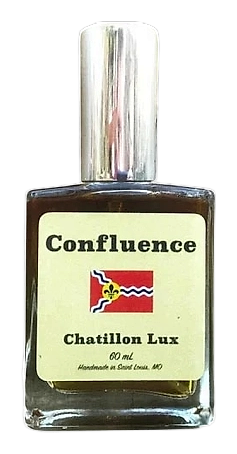
Admiral arrived in 2019 as part of Chatillon Lux's broader project to translate specific Saint Louis geography into scent. The brand, founded by Shawn Maher in 2015, has consistently drawn from local landmarks and waterways, positioning Admiral as a companion to the Mississippi rather than a departure from it. The fragrance reflects a wider cultural turn toward artisanal perfumery that accelerated through the 2010s, when independent nose-work began to challenge mass-market dominance. Maritime and aquatic themes have cycled through fragrance culture repeatedly since the 1990s, but Admiral's herbaceous take on this tradition sidesteps the synthetic freshness that often defines the category.