The Story
Why it exists.
The beginning
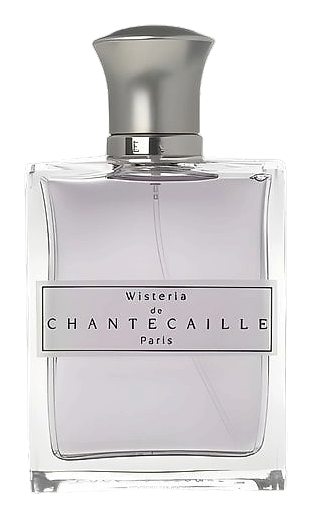
Wisteria arrived in 1997 as part of Chantecaille's founding collection, four original scents built around the natural essential oils that would define the house. The concept was simple: capture botanical ingredients in their most honest form, without the padding that turns a fragrance into a marketing exercise. Wisteria took its name from the climbing vine itself, a plant known for cascading blooms that droop with a particular kind of softness. But the composition underneath that softness tells a different story. Rather than lean entirely into floral sweetness, the house looked for something to hold the wisteria in place, to keep it from drifting upward and disappearing. That something was tarragon, a kitchen herb that most perfumers would overlook. The result is a fragrance that earns its floral name without becoming a stereotype of one.
Tarragon is the compositional choice that sets Wisteria apart. In perfumery, herbaceous notes typically appear in men's fragrances or in niche compositions that want to signal their seriousness. White florals, wisteria's category, usually run from gardenia through jasmine to the softer lilies, all sweetness and reach. Bringing tarragon into a wisteria composition means introducing a note that smells green, slightly bitter, and anise-adjacent. It doesn't play along with the florals. It argues with them. And that argument is exactly what Wisteria needs. The sweetness of orange blossom and peony could easily become overwhelming without something to push back.
The evolution
The opening announces itself quickly, freesia leading, bright and clean, followed by the sweeter orange blossom. Peony arrives next, softening the edges. For the first portion of wear, this reads as a straightforward white floral, pleasant and wearable. Then the character shifts. The green notes begin to assert themselves, and the tarragon makes its presence known, a slightly medicinal, anise-tinged quality that interrupts the sweetness before it can settle into something predictable. The tarragon does not dominate. It intervenes. As the composition matures, the florals and the greens have reached an understanding. The composition settles into its middle phase, still floral but with a green backbone that prevents it from becoming syrupy or overwhelming. The tarragon fades as the base notes take over, leaving behind the musk and vetiver that define the drydown. The vetiver is the real storyteller here, earthy, slightly smoky, the smell of roots rather than blooms. Musk keeps it close to the skin, intimate rather than announced.
Cultural impact
Wisteria occupies an unusual position in the landscape of 1990s floral fragrances. The decade was dominated by big, sweetoriental florals, opulent compositions that announced themselves loudly and lasted for hours. Wisteria went the other direction. Moderate sillage, botanical restraint, an herbal intervention that interrupted the expected sweetness. For wearers who found the era's blockbuster florals overwhelming, this was a quiet alternative. The fragrance was discontinued at some point after its initial release, which has only deepened its cult status among those who remember it. Today it circulates in vintage markets and among collectors who appreciate what it was attempting: a floral that argued with itself rather than simply performing.