
The Story
Why it exists.
The beginning
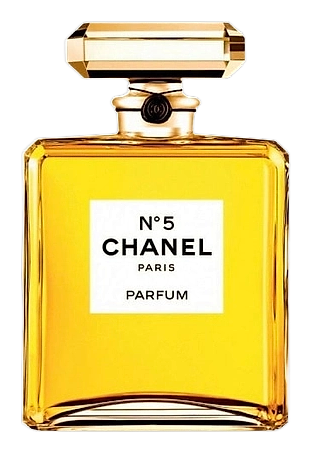
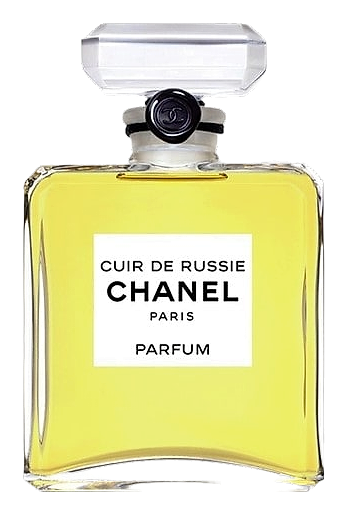
Cuir de Russie arrived in 1924, just three years after N°5 rewrote the rules of modern perfumery. Coco Chanel wanted more than another floral. She wanted a statement. She gave Ernest Beaux a brief: abstract, intellectual, uncompromising. The result was this, a fragrance that translated the scent of Russian military boots into something elegant. Boots tanned with birch bark. Virginia tobacco lingering on leather. The wild made Chanel.
The aldehydes are what make it sing. Those waxy, metallic compounds that Beaux deployed in N°5, they give the opening a cold brilliance, almost abstract. Then the leather emerges. Not harsh, not industrial. Softened by rose and jasmine. Warmed by Virginia tobacco and vanilla. The birch bark is the secret: dry, slightly smoky, the scent of leather boots by a fire rather than a tannery floor. There's a cool intelligence beneath the warmth. Like cold marble under cashmere.
The evolution
The opening is citrus-bright and aldehydic, bergamot and mandarin cutting through with cold clarity. The aldehydes don't read soapy here. They read metallic, abstract, like the scent of light on snow. Thirty minutes in, the leather asserts itself. Birch smoke and Russian leather, the smell of something worn, not displayed. The florals arrive without apology: rose, jasmine, ylang-ylang threading through the leather like unexpected softness in a firm handshake. The tobacco and vanilla build slowly, adding warmth without sweetness. By hour three, the aldehydes have retreated. What remains is leather, close to the skin, softened by tobacco and a whisper of vanilla. The birch lingers longest, dry, smoky, a quiet exit. On fabric, this lasts until the next morning. On skin, count on eight to ten hours before it fades to a memory.
Cultural impact
Cuir de Russie is one of the earliest leather fragrances in the modern perfumery canon, a 1924 statement from a house that had already changed everything with N°5. Where N°5 was abstract florals, Cuir de Russie was abstract leather. Ernest Beaux demonstrated that Chanel's intellectual rigor extended beyond florals into darker territory. The fragrance remains a reference point for leather compositions, studied for its use of aldehydes to elevate rather than soften the leather. It attracts a specific wearer: someone who knows Chanel's heritage, who seeks the house's most intellectual expression. The moderate sillage means it doesn't announce itself across a room, it rewards proximity. That's by design.