The Story
Why it exists.
The beginning
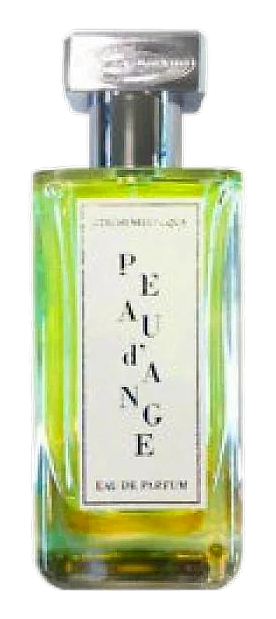
Peau d'Ange translates to "Angel Skin," and the name tells you everything about Enrico Buccella's intention. Released in 2014, this composition from the Italian nose explores the idea of skin as the softest possible surface, one that holds warmth without ever feeling heavy. Rather than building the fragrance around a single dominant note, Buccella works in a mode of restraint, treating each accord as if it could bruise the others. The result reads less like a perfume and more like a temperature, a feeling you almost forget you're wearing because it sits so close. There's an editorial clarity to the construction, a sense that every ingredient earned its place before it was allowed to stay. Nothing announces itself. Nothing pushes forward.
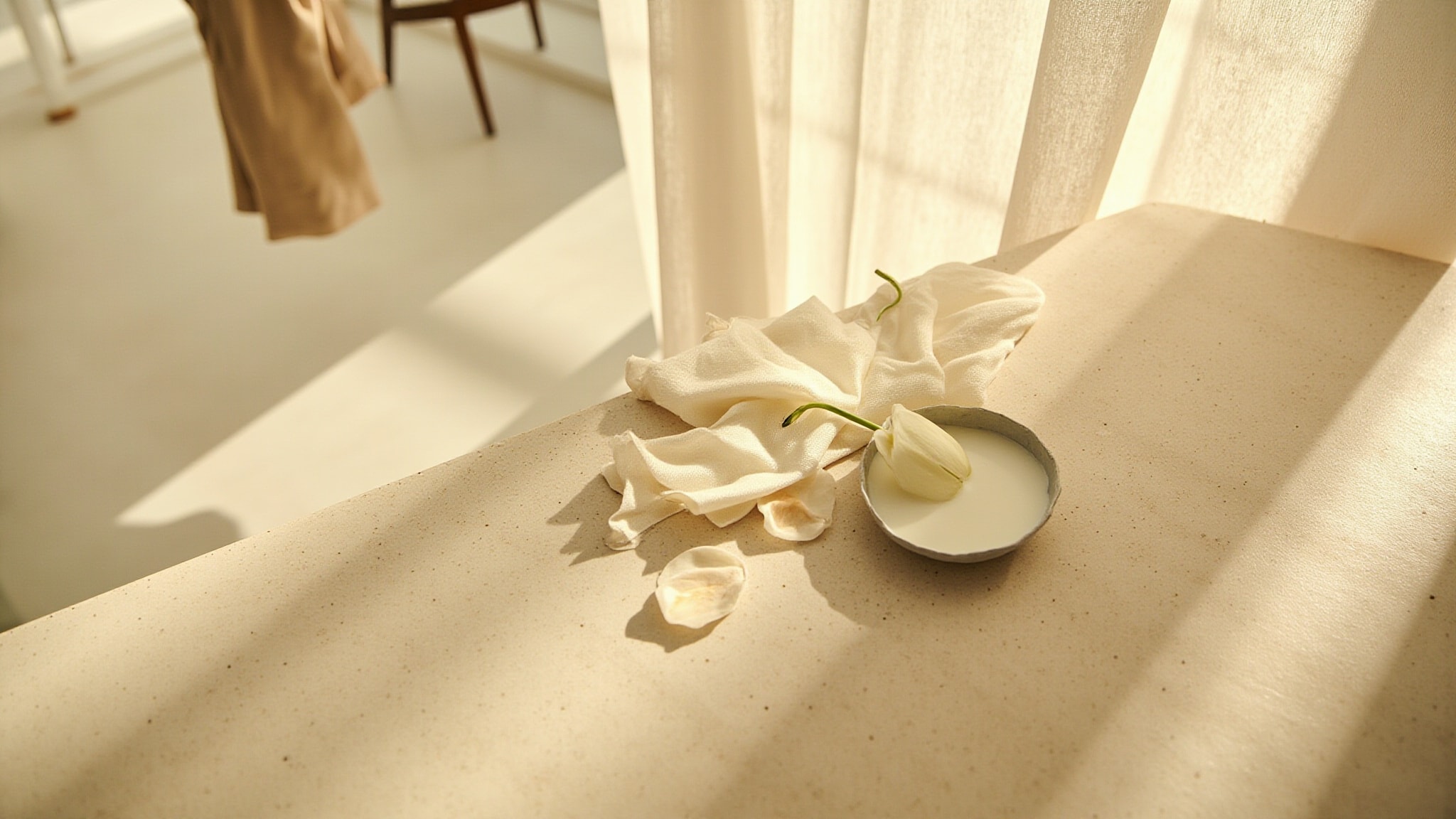
What makes Peau d'Ange structurally interesting is how little it does. Five notes carry the entire composition: vanilla, musk, orchid, white tulip, and milk. Most gourmands build complexity through layers of caramel, cream, spice, and fruit. This one strips all that away and trusts the milk accord to do the heavy lifting. The white tulip and orchid provide a barely-there floral lift, a whisper of green stem that keeps the sweetness from collapsing into pudding. The musk underneath does what musk does best: it makes the fragrance feel like it belongs on a body rather than in a bottle. The result is a composition where restraint becomes the signature, where saying less actually says more.
The evolution
On skin, Peau d'Ange opens with a soft veil of musk and the faintest green flicker of white tulip, almost like pressing your nose to a just-cut stem. Within ten minutes the milk accord arrives, warm and faintly sweet, and the orchid rounds out the top into something genuinely creamy. By the thirty-minute mark the vanilla takes over, not the sharp, boozy vanilla of a floriental, but a softer, almost custard-like warmth that sits close to the skin. The musk never leaves. It anchors everything, keeping the composition from floating off into pure sugar. After three hours you're left with a skin-scent that's hard to place. Milk? Vanilla? Warmth? The florals are gone entirely. What's left is something that smells less like a perfume and more like the aftermath of a good meal, a candle still warm, a sweater that's been folded and put away.
Cultural impact
Peau d'Ange occupies a specific corner of the gourmand world: the quiet one. Where most sweet fragrances push for impact, this one asks to be discovered up close. Wearers describe it as a skin scent, something that becomes part of the person rather than a statement made from arm's length. The fragrance rewards patience and proximity. It's the one your partner notices when they're close enough to already be there. In a category crowded with confectionery ambition, Peau d'Ange stakes its claim in the opposite direction, opting for hush over projection, for tenderness over theatricality.