The Story
Why it exists.
The beginning
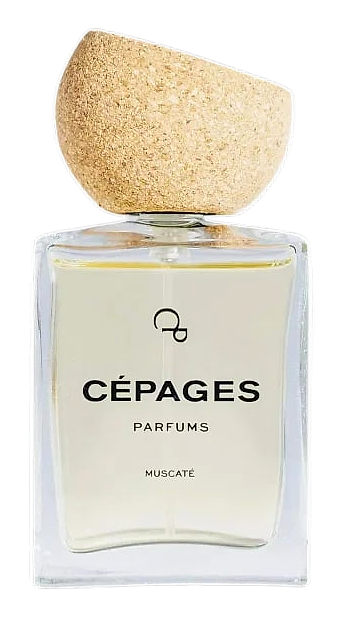
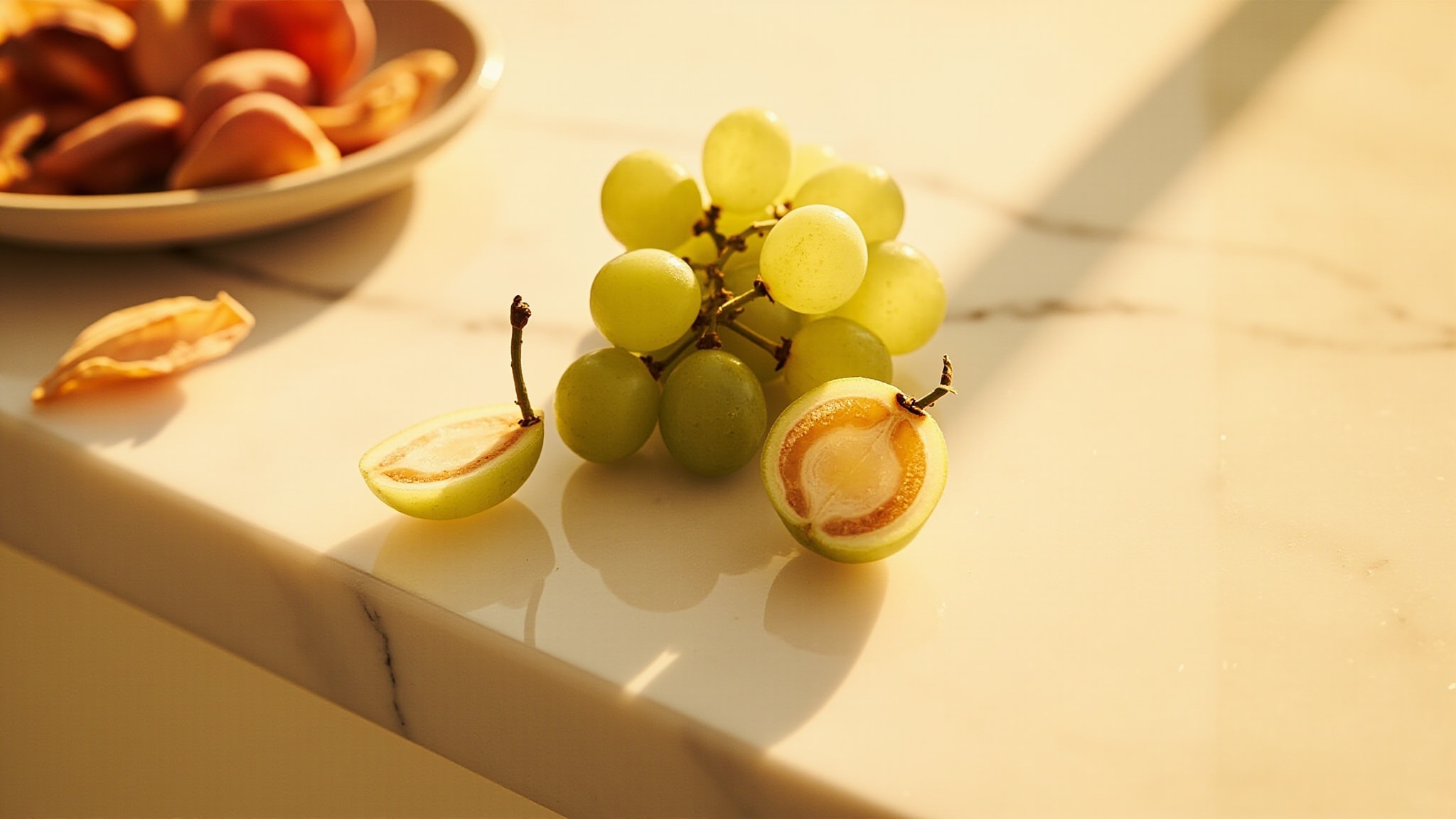
Muscaté is a composition by Lauriane Guignon for Cépages Parfums that takes its lead from a single material: Muscat grape. The fragrance is built around what happens when that sweetness meets orange blossom and white musk, the meeting point between fruit, flower, and skin. It translates one specific moment in the vineyard calendar into something wearable, the scent of late-summer fruit still hanging heavy before the first picking. The composition is short and intentional, a formula where grape, orange blossom, white musk, and nagarmotha each carry a clear share of the work. The name itself points at the two materials doing the heaviest lifting in the bottle, materials whose sounds rhyme across languages and whose profiles blur into each other on skin.
What makes Muscaté worth attention is the choice to lead with Muscat grape as the central material, rather than treating fruit as a fleeting top note that disappears within minutes. The grape note carries its own bruised-skin warmth, slightly floral on its own, which is why orange blossom slots in beside it without competing. Nagarmotha anchors the composition with an earthy, rooty dryness that keeps the sweetness from tipping into confection, giving the fruit and flower a grounded base to rest on. It is a short pyramid, four notes, and each one earns its place.
The evolution
The first ten minutes are almost entirely grape and orange blossom, leaning bright and juicy, with a green stem bite that keeps things from collapsing into syrup. It reads like walking past a crate of fresh Muscats at an outdoor market, still cold from the morning, the floral almost indecent against the fruit. Around the thirty-minute mark the musk wakes up, white and clean, settling into the skin like a layer of cool linen. The cypriol arrives quietly underneath, not a loud earthiness but a slow hum of root and dry wood, the kind of note you notice more on your sleeve at the end of the day than on your wrist in the afternoon. By hour four the fruit has mostly faded, and what remains is musk and cypriol in close conversation, warm and slightly animal, close to skin.
Cultural impact
The interesting thing about Muscaté is how directly it commits to its central material. The grape note reads as specific and recognizable rather than generic, and the formula around it is stripped back enough that the grape never gets buried under competing sweetness. Orange blossom and white musk amplify what is already there in the fruit, while nagarmotha adds the kind of earthy counterweight that keeps the whole thing from floating off into airy territory. It is a fragrance that takes a single agricultural idea seriously, and the result is a composition that feels both grounded and generous.