Lauriane Guignon
Lauriane Guignon holds a rare distinction in modern perfumery: she tends vines, cultivates flowers, and composes fragrance. Based in Grasse's surrounding countryside, she trained as both a perfumer and a winemaker, inheriting her family's dual expertise in viticulture and perfume plant cultivation. At twenty-nine, she launched Cépages Parfums, a house built on the conviction that perfume should grow from the same soil as fine wine. Her career began with a deeply personal project alongside her father: replanting the Centifolia rose fields on their ancestral land. The May rose, legendary in French perfumery, found new roots under her care. She became, by her own description, an Agri-Perfumer, one foot in the earth, the other in creation. Her winemaker's sensibility shapes everything she touches. She understands fermentation, aging, terroir, and the patience required to coax greatness from living things. That knowledge moves seamlessly into her fragrance work, where she treats raw materials with the same reverence a winemaker gives to grape must.
The hits
Notable creations
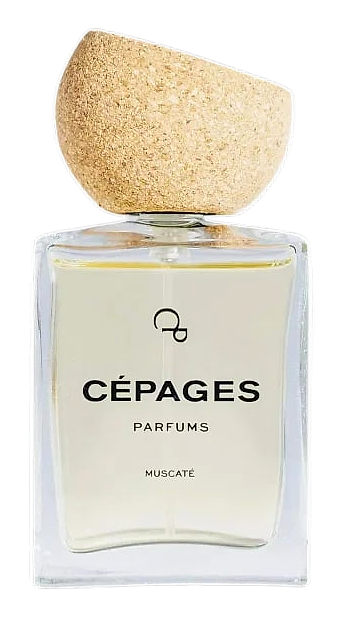
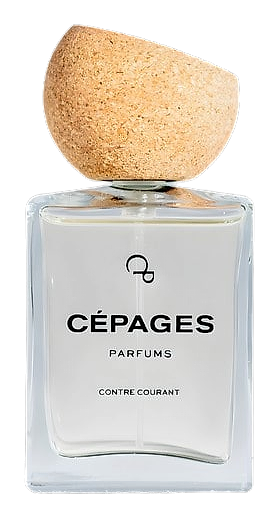
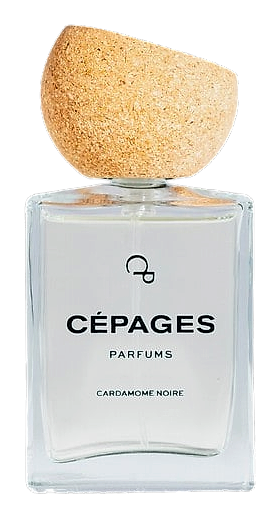
The signature
How Lauriane composes
Guignon gravitates toward warmth and depth, drawing from her cultivated roses and aromatic plants to build fragrances with an almost vinous complexity. She favors the Centifolia rose above all others, treating it as a full-bodied material rather than a delicate top note. Her spice work carries a natural earthiness, and she has a particular affinity for cardamom, black cardamom especially. Muscat grape notes appear frequently in her compositions, echoing her winemaking heritage with a soft, almost honeyed sweetness. Her style balances the botanical precision of a trained agronomist with the intuition of an artist raised among flowers and vines. Each fragrance feels rooted, intentional, and quietly confident.
Philosophy
What drives Lauriane
For Guignon, perfume and wine share an essential truth: both begin in the earth. She refuses to separate the grower from the creator, insisting that knowing a material means knowing how it lives, what it needs, and when it ripens. Her approach is patient and empirical. She observes her roses across seasons, tastes the air after rain on her vineyards, and considers how light transforms scent. This grounded sensibility drives her to grow as much of her own material as possible, connecting each fragrance to a specific place and harvest. She believes the perfumer's role is not to impose but to listen, to understand what a flower or spice wants to become, then step back and let it happen. Her winemaking philosophy mirrors this exactly.
The houses