
The Story
Why it exists.
The beginning
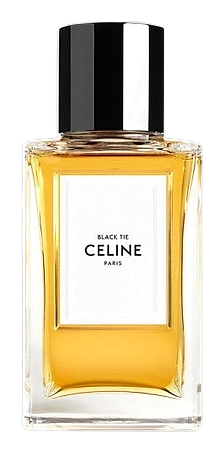
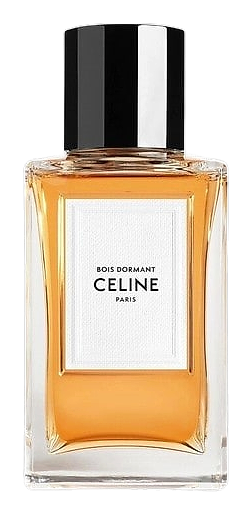
Hedi Slimane designs clothes people wear for decades. The double-breasted flannel blazer is one of those recurring pieces, a wardrobe anchor he's returned to throughout his career at Celine. Bois Dormant is the daytime twin of Black Tie, the same sensibility stripped of evening formality. The idea was restraint. The kind of luxury that doesn't announce itself because it doesn't need to. What emerged is a fragrance that smells like a well-tailored life, the kind of person who owns fewer things and wears them longer. Juniper and bergamot provide the initial crispness, a nod to the cologne-adjacent structure Slimane has always favored. Orris root, that most aristocratic of materials, softens into the heart. Cedar and vetiver close it out, dry, grounded, lasting. The official description says it all: the day twin of Black Tie. Not a compromise. A different answer to the same question.
Orris root is expensive and slow. It takes three years to cure, and most modern fragrances use synthetic replacements to keep costs down. The fact that Celine led with orris butter, listed explicitly on the official page, tells you something about the house's approach to this collection. The powdery accord in Bois Dormant isn't added separately. It emerges from the interaction between the orris and the vetiver, two materials that share a natural earthiness. Cedar then amplifies the woodiness while keeping the structure clean. This is classical French perfumery executed without nostalgia, no heavyamber, no vanillaflounce. Just materials doing exactly what they're supposed to do.
The evolution
The opening hits bright and green, juniper and bergamot arriving almost simultaneously, the citrus slightly ahead. Ten minutes in, the bergamot fades and the orris arrives like a soft door closing on the first act. This is the phase people describe as creamy or buttery. It's neither, exactly. It's the texture of something warm that has cooled to exactly skin temperature. The cedar announces itself around the forty-minute mark, adding structure to what has been a surprisingly soft middle. Vetiver arrives last, pulling the composition down into something dry and slightly smoky, the smell of vetiver root, not vetiver oil, which matters for the earthiness it brings. By the third hour, you're wearing something close, intimate, present on fabric long after it's left your skin. On a scarf or a wool coat, the drydown can be detected the next morning, not projecting, just there.
Cultural impact
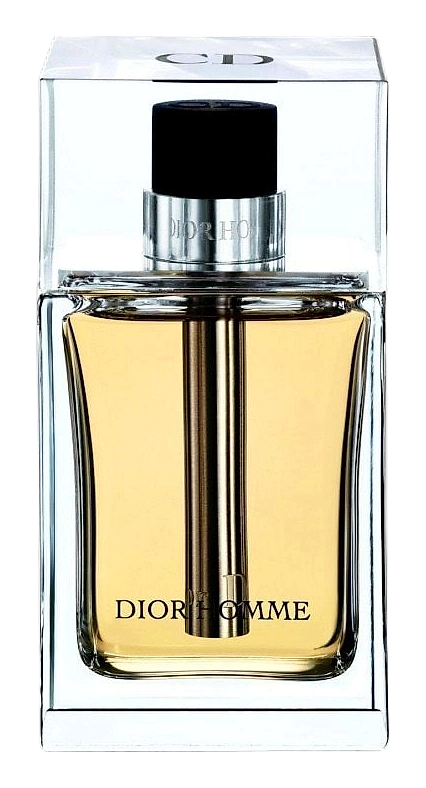
The fragrance community immediately positioned Bois Dormant as the daytime counterpart to Black Tie, the same sensibility without the evening formality. Wearers describe it as the kind of scent someone wears when they don't need to prove anything. The orris-heavy structure drew immediate comparisons to La Labo Vanille 44 and Dior Homme Intense, but the consensus is that Bois Dormant is fresher, more powdery, less heavy. What stands out in community reviews is the restraint, the people who love it cite exactly what others find limiting. That's the tension that makes it interesting.