
The Story
Why it exists.
The beginning
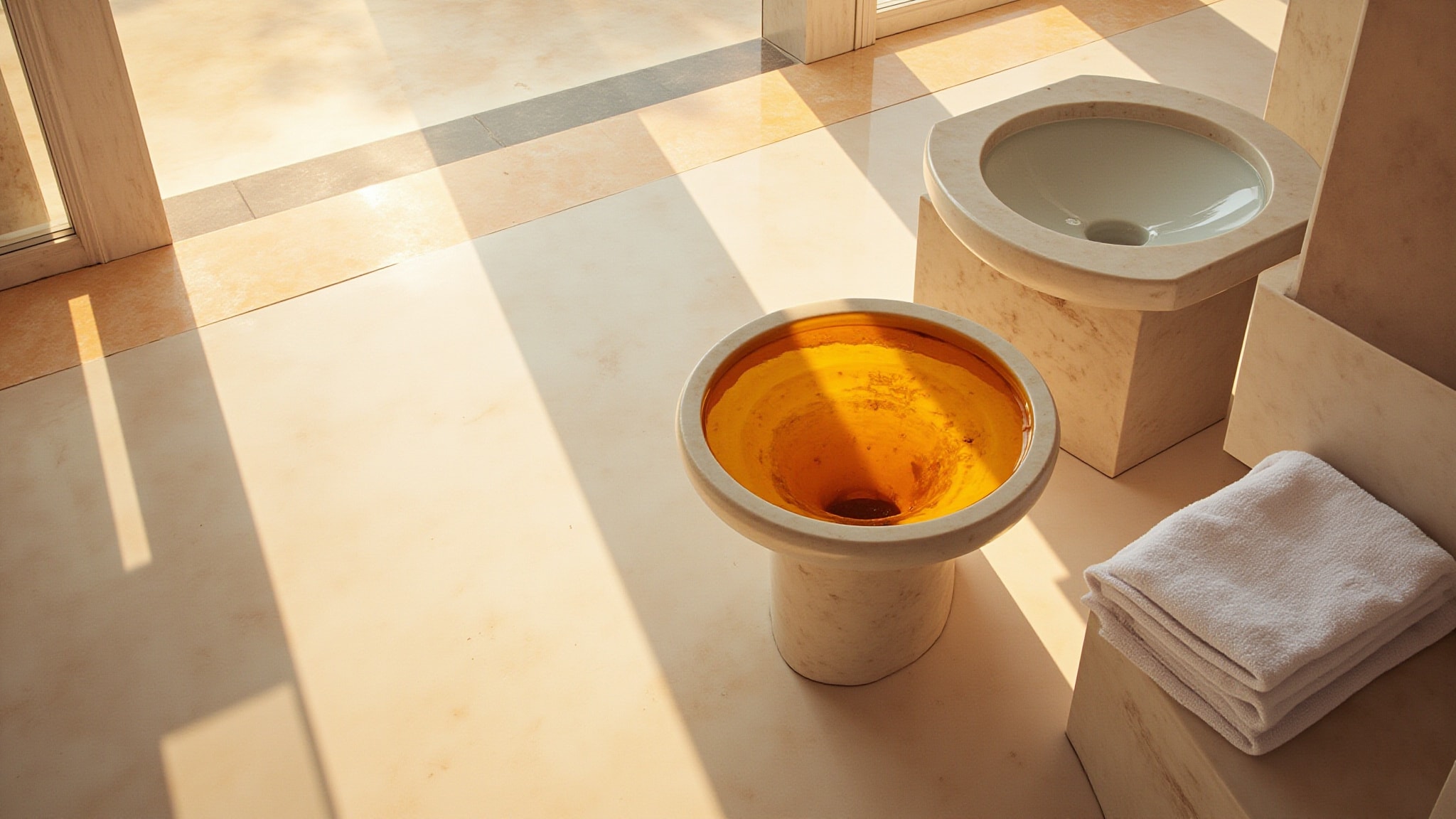
Tempio d'Acqua means Temple of Water. The name refers to a natural spa in the hills near Parma, Italy, a place where architecture and nature merge under one roof. Casamorati took that setting as its brief: the stillness of water, the warmth of stone, the quiet grandeur of spaces built before speed existed. The fragrance translates that atmosphere into scent, not literally, but emotionally. A place you want to return to.
Fennel is the unexpected move here. In Tempio d'Acqua, the fennel arrives as a counterweight, cutting the sweetness of peach and mandarin with something dry and aromatic. It earns the warmth that follows. The heart builds on this tension: mahonial adds a powdery, warm floral lift while labdanum brings a faint resinous depth. Neither resolves the sweetness entirely, they complicate it, which is more interesting.
The evolution
The opening is immediate: bergamot bright, mandarin sweet, peach soft. Three citrus-fruity notes arriving together without stepping on each other. The bergamot holds the longest of the top notes, a clean, slightly bitter lift that persists into the heart. Then the fennel arrives, introducing green, anise-like warmth that cuts through the sweetness with an aromatic pause. The mahonial follows, warm and powdery, and the labdanum adds a faint resinous note that smooths the transition. By the second hour, the sweetness has settled into something warmer: vanilla and myrrh together, sweet and dry, intimate rather than projecting. The ambroxan keeps the drydown clean and mineral, a warmth that stays close to skin. Moderate sillage throughout. This is a fragrance for the wearer, not the room. The next morning: vanilla, faintly resinous, still there.
Cultural impact
Tempio d'Acqua arrives as interest in heritage Italian fragrance houses continues to grow among collectors and enthusiasts. The name references a historic spa and its surrounding architecture, embodying the elegance of Italian cultural tradition. This fragrance connects to a lineage of Italian craftsmanship that has long valued artistry over mass production. The house's revival under Xerjoff brings attention to historical Italian perfumery that was once reserved for a select audience, now made accessible to those seeking authentic and storied scents.