The Story
Why it exists.
The beginning
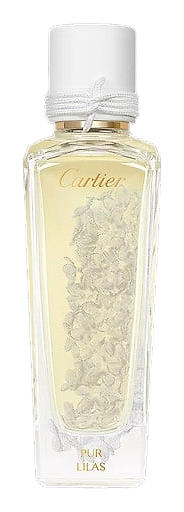
Mathilde Laurent has spent decades at the heart of Cartier's olfactory house. She has pulled the panther's roar into fragrance, distilled the weight of precious metals into skin-warmth, turned the Maison's jewellery vocabulary into something you can wear. But lilac has always been a different challenge. It is deceptively simple, everyone thinks they know what it smells like. The real flower is rarer than you'd expect. White lilac, specifically, has a nuance that most fragrances miss entirely. Laurent wanted to capture the difference between what lilac means and what lilac is. Pur Lilas is the result: a perfumer's answer to a question most people never think to ask.
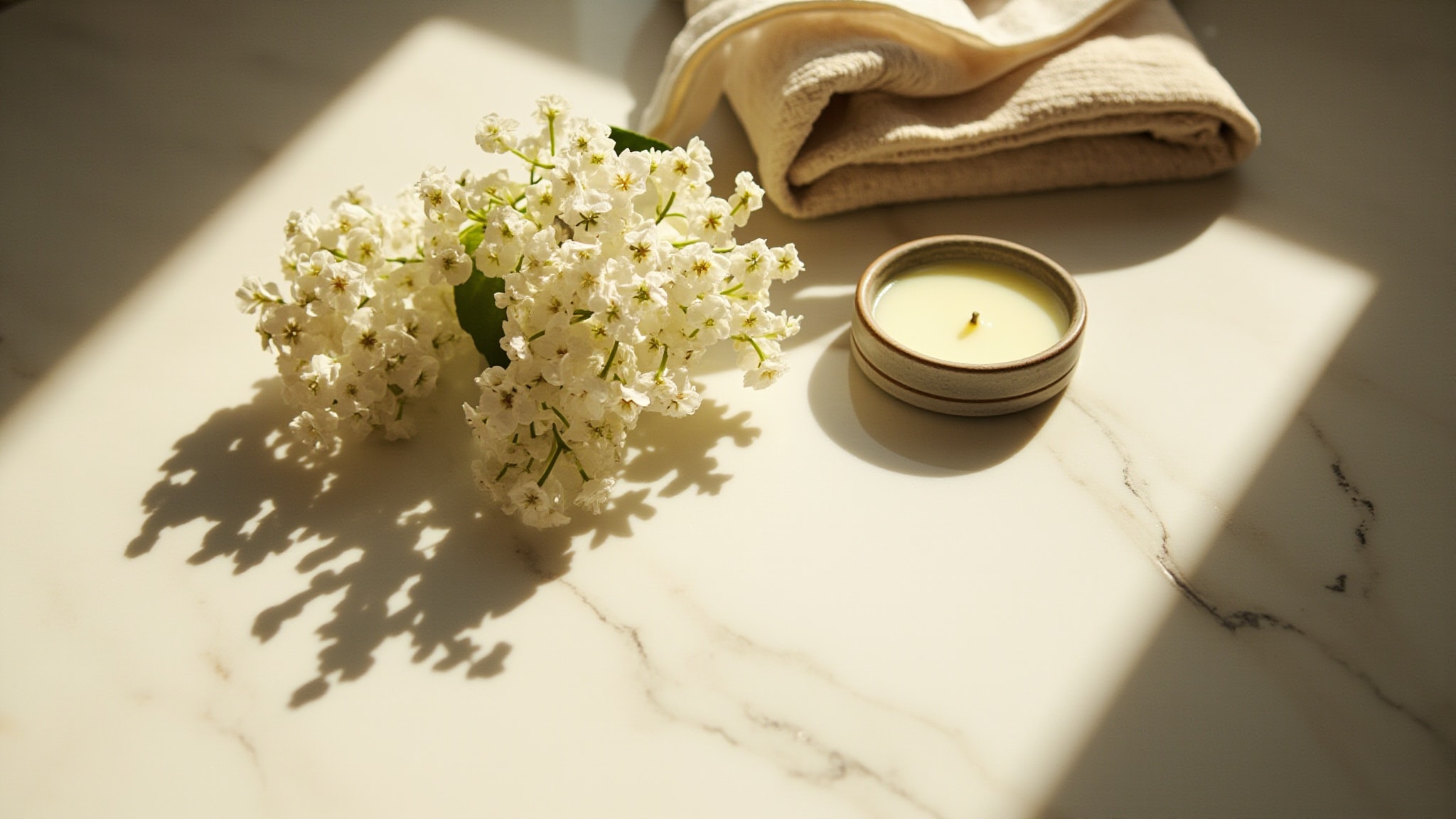
The key insight is in the green. Most lilac fragrances treat the floral note as a given, they build around it and hope for the best. Laurent built the composition forward from the opening: crisp green accord, ozone, the smell of a garden after a thunder shower. Only then does the lilac arrive. And it arrives as white lilac, not the common purple variety. White lilac has more petals, a subtler aroma, and a characteristic bitter rasp at the edge of the sweetness that the purple version doesn't share. That rasp is what makes the flower smell like itself. Cartier didn't try to hide it. The house leaned into it.
The evolution
The opening is a garden in May after rain. Green accord arrives first, crisp, almost cold, followed by something ozone-like, the mineral freshness of storm-washed air. For a moment it feels like lilac might not show up at all. Then it does. White lilac, arriving soft but certain. The projection is strong from the start, and it's accurate in a way that surprises: the rasping bitterness of natural lilac is present, not hidden. That's the tell. That's Cartier refusing to smooth out the truth of the flower. As the heart develops, the lilac holds its ground against rose-tinted warmth, not sweet, not rosy in the conventional sense, but warm in a way that suggests late afternoon light. The drydown introduces earthy notes and woody undertones, but lilac lingers here too, still present, still holding its strange duality of sweetness and bite. The base arrives quiet and close. Six to eight hours of life on most skin, though the drydown stays intimate, never loud, never asking for attention it hasn't earned.
Cultural impact
As part of Cartier's Les Épures de Parfum collection, Pur Lilas participates in the house's ongoing project of abstraction, taking familiar floral subjects and rendering them as impressionist compositions rather than literal portraits. The fragrance occupies a particular corner of the floral-green space: it's not as austere as some modernist florals, nor as safe as mainstream lilac interpretations. The 2024 launch positions it as a refined, nuanced alternative within Cartier's broader fragrance wardrobe, appealing to wearers who want the feeling of a spring garden captured with precision rather than nostalgia.
The House
CartierFrom a small Parisian workshop in 1847 to one of the most celebrated fragrance houses in the world, Cartier has spent over 175 years translating the language of precious gems into something you can wear against your skin. Every Cartier fragrance is conceived as invisible jewellery, an intimate ornament that speaks to the same desire for beauty and craftsmanship that has drawn royalty and connoisseurs to the Maison for generations. The panther prowls through its scent wardrobe, diamonds catch light in crystalline bottles, and rare ingredients arrive from distant corners of the globe. This is luxury in its most wearable form.
The Creator
Mathilde LaurentMathilde favors a restrained palette that highlights natural essences. She often begins with a clear mineral or green base, then layers luminous florals such as jasmine or orange blossom.