
The Story
Why it exists.
The beginning
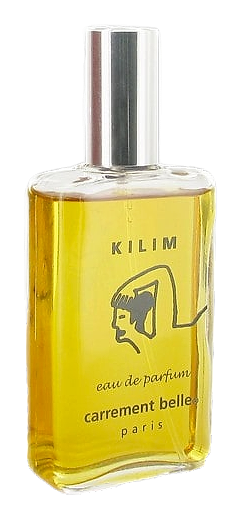
Kilim by Carrément Belle is named for the flat-woven textile tradition of Central Asia, nomadic, geometric, and unmistakably warm. The brand, founded in Nîmes in 1986, built its identity on letting raw materials speak without decoration, and Kilim carries that philosophy into its structure. Perfumer Frank Jammes composed it as an oriental patchouli: the kind that arrives somewhere specific rather than everywhere at once. The name is the brief, a reference to craft and geography, to warmth earned through material rather than excess.
What makes Kilim work is the tension between its citrus opening and its resinous base. Bergamot and orange arrive bright, almost sharp, but the composition doesn't let that sharpness run the show. Within the first hour, clove and a hint of tobacco start threading through the florals, and by the time the amber and patchouli settle, the whole thing has turned inward, close to the skin, warmer than the initial impression suggested. It's a fragrance that changes its mind, but always toward the same destination.
The evolution
The first thirty minutes are all citrus and fruit. Orange, bergamot, and a burst of apricot that feels sun-warmed rather than synthetic. Then the florals arrive quietly, jasmine and lily of the valley cushioned by that apricot sweetness, not announcing themselves, just present. The clove surfaces around the forty-minute mark, warming the composition without adding heat. Tobacco comes next, interweaving with the jasmine so neither dominates. The drydown is where Kilim earns its name. Patchouli anchors everything, earthy, deep, almost resinous. Benzoin and cedar build around it, vanilla and musk linger on the skin for hours after the citrus has gone. On fabric, it lasts into the next day.
Cultural impact
Kilim sits in the tradition of French niche perfumery that prizes material integrity over marketing narrative. Carrément Belle's catalogue, including Ippi Patchouli, Kilim, and Iode, is designed to let individual ingredients lead rather than follow trend. Kilim, in particular, occupies a space between fruity-oriental accessibility and patchouli's earthier possibilities, positioning it for wearers who want warmth without heaviness and a geographical reference that actually means something.