





Heritage
A house, in its own words
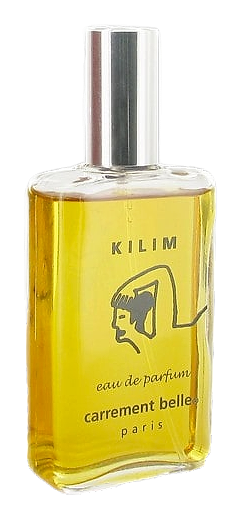
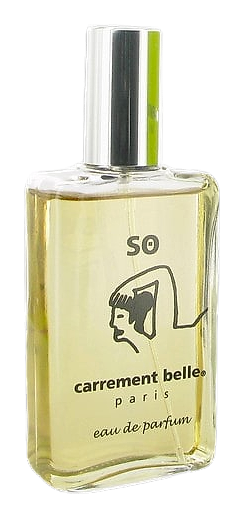
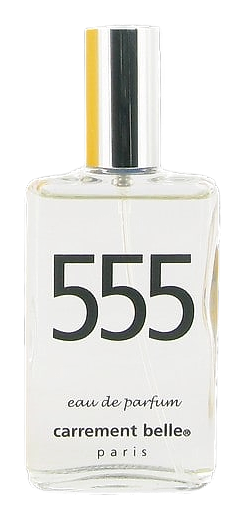
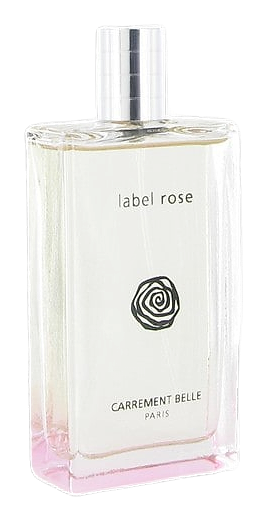
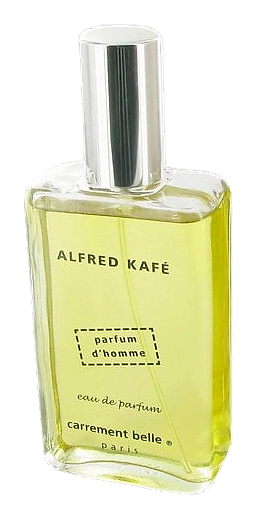
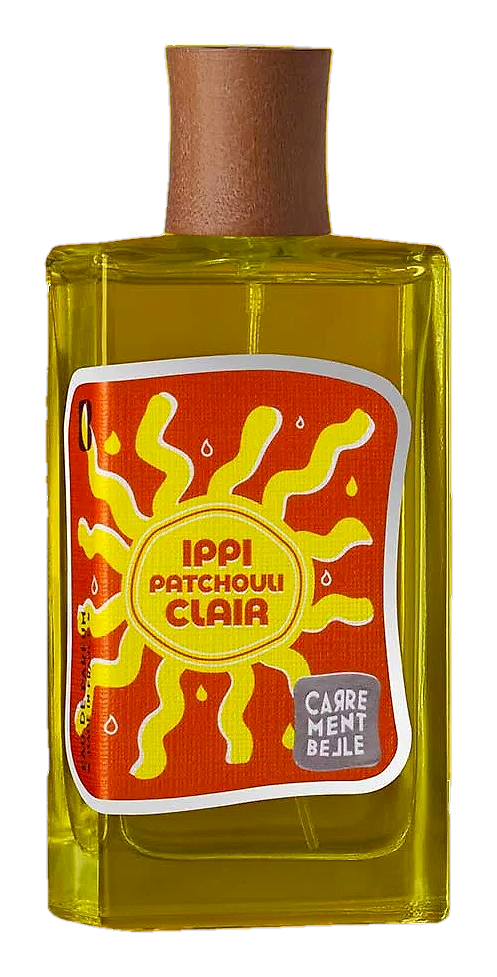
The story of Carrément Belle starts in 1986, when a tiny shop opened on Rue de la République in Nîmes, a city better known for its Roman heritage than for perfume. According to contemporary local press, the boutique was the first in the region to stock a dedicated selection of niche fragrances, positioning itself against the dominant department‑store offerings of the era. By 1988 the proprietor expanded the concept into a small production atelier, a move documented on the brand’s own website, which describes the house as a creator of "rare and authentic perfumes" since that year. The early years were marked by a focus on sourcing raw materials directly from small growers in the Mediterranean and North Africa, a practice that helped the label build a reputation for transparency. In the 1990s Carrément Belle began exporting modest quantities to specialty shops in Belgium and Switzerland, a fact noted in a 1995 feature in the French trade journal *Cosmétique Magazine*. The turn of the millennium saw the introduction of the "Pure Perfume" line, a series of fragrance oils that forgo alcohol, catering to consumers seeking a more natural olfactory experience. A 2012 interview in *Le Figaro* highlighted the brand’s decision to keep production volumes low, preserving the integrity of each batch. In 2018 the house released Alõ, a fragrance that combined traditional French accords with a contemporary minimalist aesthetic, signaling a willingness to evolve while staying true to its origins. Throughout its history, Carrément Belle has remained independent, avoiding acquisition by larger conglomerates, a stance confirmed by a 2021 article in *Business of Fashion* that listed the brand among the few French niche houses still family‑run. Carrément Belle frames its creative vision around the idea that perfume should be a direct dialogue between scent and wearer, without the distraction of excessive branding. The founders have repeatedly emphasized a respect for the raw character of each ingredient, allowing a single note to dominate a composition when appropriate. This approach translates into a preference for single‑note or duo‑note structures, as seen in Ippi Patchouli, where patchouli oil is presented almost untouched, and in Iode, which foregrounds marine accords. The brand’s values include sustainability, traceability and a low‑impact production model; a 2020 interview with the head perfumer noted that sourcing is limited to suppliers who can certify organic or wild‑crafted status. Transparency extends to packaging, where the label opts for simple glass bottles and recyclable caps, rejecting elaborate embellishments that could obscure the fragrance itself. The house also supports a modest discovery set program, enabling curious consumers to sample several scents before committing to a full bottle, a practice that aligns with its educational ethos. Overall, Carrément Belle positions itself as a quiet advocate for authenticity in perfumery, encouraging wearers to develop a personal relationship with scent rather than following fleeting trends.