
The Story
Why it exists.
The beginning
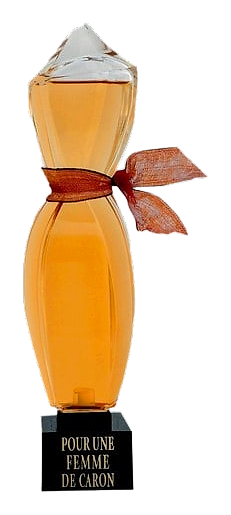
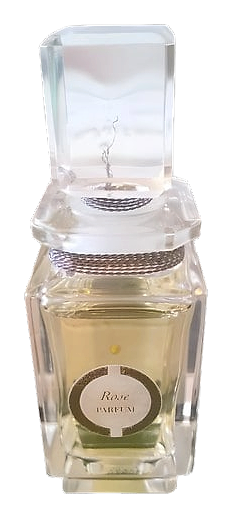
Rose Parfum arrived in 1949, created by Ernest Daltroff and Michel Morsetti at a moment when Caron's house had been running for nearly half a century. The brief was simple on paper: a rose worth wearing. But they understood that a rose worth wearing in 1949 couldn't just smell like a rose. It had to earn attention in a room full of them. The answer wasn't sweeter rose or softer rose. It was green, cool, and complicated, rose made to argue, not to agree. The fragrance opens with a bracing freshness, mint leading the way before geranium adds its herbaceous depth. Rose de Mai waits patiently underneath, emerging slowly as the top notes settle. What results is a composition that refuses to behave like a conventional rose perfume, demanding attention rather than inviting it gently.
What makes Rose Parfum unusual is the mint-geranium axis working against the rose rather than beside it. Mint is rarely the dominant note in a rose fragrance; it functions here as a cooling agent, a counterweight to any softness. Geranium brings its own green, herbaceous push, almost medicinal in its intensity. Rose de Mai sits beneath this structure, classical and warm, refusing to disappear. The result is a rose that's been botanically grounded: stems and leaves present alongside the petals, beauty complicated by the plant it came from.
The evolution
The opening hits cool and green, mint leading with an almost bracing quality before geranium adds its herbaceous push. Rose de Mai waits underneath, patient. As the mint settles, the rose emerges more fully, geranium still present but softer. What lingers is powdery, warm, the ghost of petals and skin. On fabric, it outlasts most modern compositions. The fragrance develops across hours rather than minutes, each stage revealing new facets. The initial freshness gives way to herbal depth, which gradually softens into powdery warmth. The rose doesn't announce itself immediately but builds patiently through the composition, adding complexity over time. On skin, the scent lingers well, maintaining its character through the workday rather than fading quickly.
Cultural impact
Rose Parfum has outlasted trends by refusing to belong to any of them. It's claimed by wearers who want fragrance to do something, to have a point of view. Within Caron's own rose collection, which spans classics and contemporaries, this 1949 composition stands apart for its green, confrontational character. The fragrance opens with cool mint and herbaceous geranium before the rose emerges, adding warmth and complexity. It's the one collectors seek out for its distinctive take on rose, a composition that doesn't offer comfort but instead provokes thought.