The Story
Why it exists.
The beginning
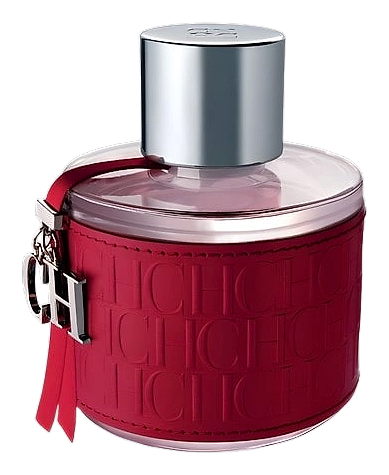
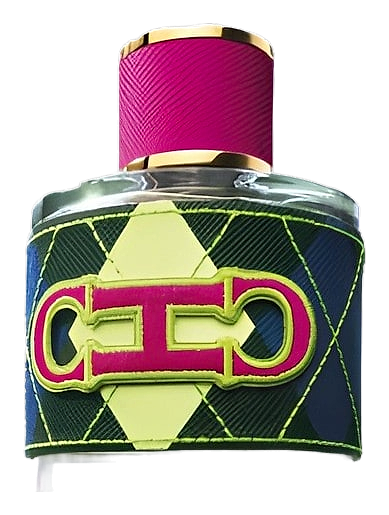
Carolina Herrera has always known that the best aesthetics are stolen from their original contexts and worn somewhere unexpected. Golf, with its argyle, its clubhouse rituals, its very specific brand of refinement, is fertile ground. The brand launched CH Swing in 2026 as part of a limited-edition golf-inspired collection, designed to translate the sport's visual language into something you could actually live in. The female variant was created by Violaine Collas and Véronique Nyberg, two perfumers working with that Carolina Herrera brief: take something preppy, make it seductive. The bottle itself signals the intent immediately. Saffiano leather argyle pattern, neon stitching, a striking hot pink cap. Classic golf codes, collided with the brand's characteristic theatrical boldness. This isn't a fragrance for playing golf. It's a fragrance for what happens after.
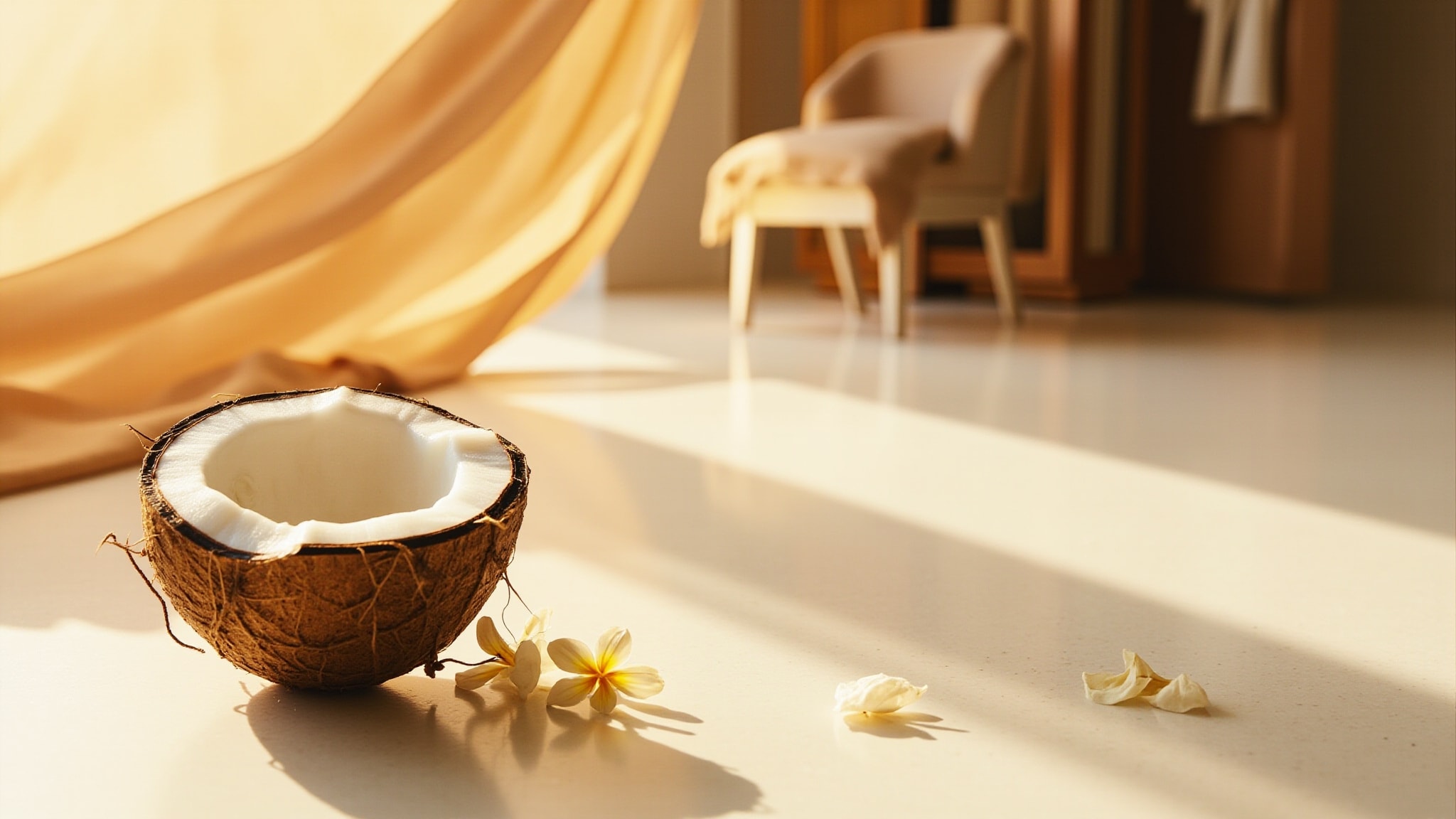
What makes CH Swing interesting is the way coconut behaves in the base. It doesn't read as tropical, no sunscreen, no beach cocktail. Instead, the coconut works in tandem with ylang-ylang to create a creamy, almost powdery warmth that softens the woody structure underneath. Sandalwood doesn't compete; it supports. Hazelnut and cedar add a quiet nuttiness that pulls the whole composition toward skin rather than air. The lime-pear opening is bright and immediately likeable, the kind of first impression that doesn't demand attention. But the real story is what happens next: that transition from citrus sparkle to coconut cream. It's smooth. Almost effortless.
The evolution
The opening announces itself with crisp intent: lime and pear, bright and clean, the kind of smell that reads as fresh without trying to announce itself as fresh. It doesn't stay long, forty minutes, maybe less, but in that window, it's the whole fragrance's opening statement. Then the coconut arrives. It doesn't wait politely. It moves in and takes over the heart, softening the citrus with ylang-ylang until the whole thing reads as creamy, warm, a little lush. Some find this phase surprising, pear and coconut are an unexpected pairing, but they work. The green edge of the pear keeps the coconut from going full tropical; the coconut keeps the pear from reading as just fruity. The drydown is where the fragrance earns its sandalwood. Vanilla, hazelnut, cedar, they layer together into something warm and close. Not projection, exactly. Presence. The kind of smell someone notices only if they're already standing next to you. It lasts through the evening. Into the next morning, there's something skin-like and sweet still there, fading slow.
Cultural impact
There's a specific kind of person who gravitates toward a fragrance like this: someone who appreciates the aesthetics of the clubhouse but doesn't need to perform them. The argyle pattern on the bottle is fun, but the fragrance itself is warm in a way that reads as genuine rather than costumed. It's limited edition, 2026 only, which adds urgency, but the composition doesn't rely on novelty. The coconut-ylang-ylang pairing is distinctive enough to reward someone who tries it on purpose.