The Story
Why it exists.
The beginning
The name Costarela doesn't appear in any atlas, but anyone who's stood on a Catalan coast understands it immediately. It's the feeling of old wooden fishing boats pulled up on sand, of salt air that cuts through summer heat, of looking at open water and feeling something loosen in your chest. It captures not a specific beach, but the emotional charge of coastal freedom. Bergamot and ambroxan anchor the composition: one bright and citric, the other warm and mineral. Sea notes and sand bridge them. The result is a fragrance that smells like the moment you stop looking at the sea and start breathing it.
What makes Costarela interesting is the ambroxan placement. Here it becomes structural rather than relegated to background work. The drydown isn't wood or musk doing their usual work; it's ambroxan doing ambroxan, mineral and slightly salty, pulling the marine accord into warm skin territory rather than away from it. The saffron in the opening also does unusual work. Rather than the warm spice you'd expect, it reads as a tartness that sharpens the bergamot, a brightness that makes the marine heart feel earned rather than assumed.
The evolution
The opening arrives fast, bergamot and saffron arrive together, tart and bright, less than a minute before the sea notes appear. That bergamot-saffron phase lasts maybe twenty minutes before it cedes to something wider, saltier, built on the sand note. This is the phase where Costarela becomes itself. The marine accord doesn't smell like perfume or breeze, it smells like air that's been over water, the specific clarity you get when there's no land in sight. Cedar arrives quietly around the hour mark, not taking over but adding weight to what was previously all air. The ambroxan shows up around hour two, shifting the composition from marine to mineral. This is where people either love it or find it strange, ambroxan reads clean but not sweet, a bit synthetic to some noses, simply mineral to others. It holds for hours.
Cultural impact
The ambroxan-forward drydown divides opinion. Some find it reads clean and mineral, others sense a slight synthetic quality, but this tension is part of what gives Costarela its distinctive character. It's the kind of fragrance that rewards close wear rather than announcement, something you notice when you move than something that announces itself across a room. The marine elements create a specific atmosphere without resorting to obvious aquatic shortcuts, and the mineral warmth that emerges as it develops gives it a quality that feels both contemporary and grounded.
The House
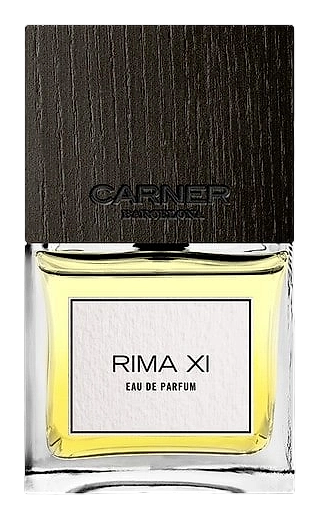
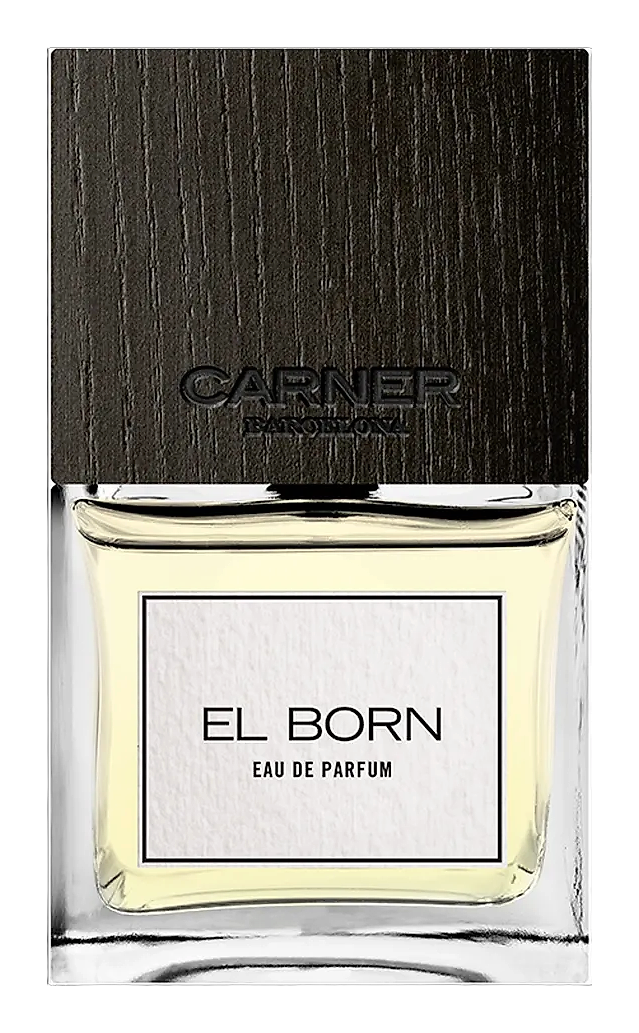
Carner BarcelonaCarner Barcelona is a family-founded niche fragrance house established in Barcelona by siblings Sara and Joaquim Carner in 2010. Drawing from their heritage as descendants of a long line of leather craftsmen, the brand creates scents that capture the Mediterranean spirit and cosmopolitan energy of their Catalan home. The house operates from its Barcelona base, producing gender-inclusive perfumes that blend Spanish influences with contemporary international perfumery techniques. Sara Carner, who pursued an American MBA, channels her childhood fascination with nature and empty perfume bottles into a globally recognized niche brand. Each fragrance references specific locations, memories, or sensory experiences rooted in the Mediterranean region, from the coastal neighborhoods to the historic districts of Barcelona.
The Creator
Shyamala MaisondieuHer olfactive signature is dramatic and romantic, with a poetic inventiveness that sets her apart. She has a particular affinity for iris, a notoriously difficult and expensive material that appears frequently in her creations.