The Story
Why it exists.
The beginning
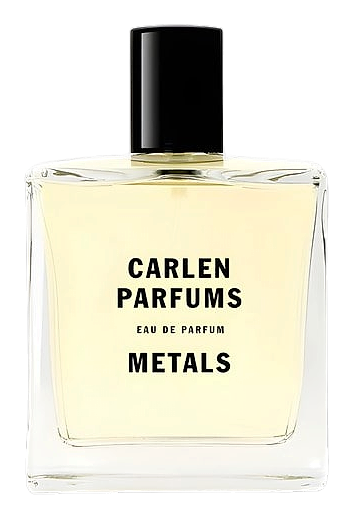
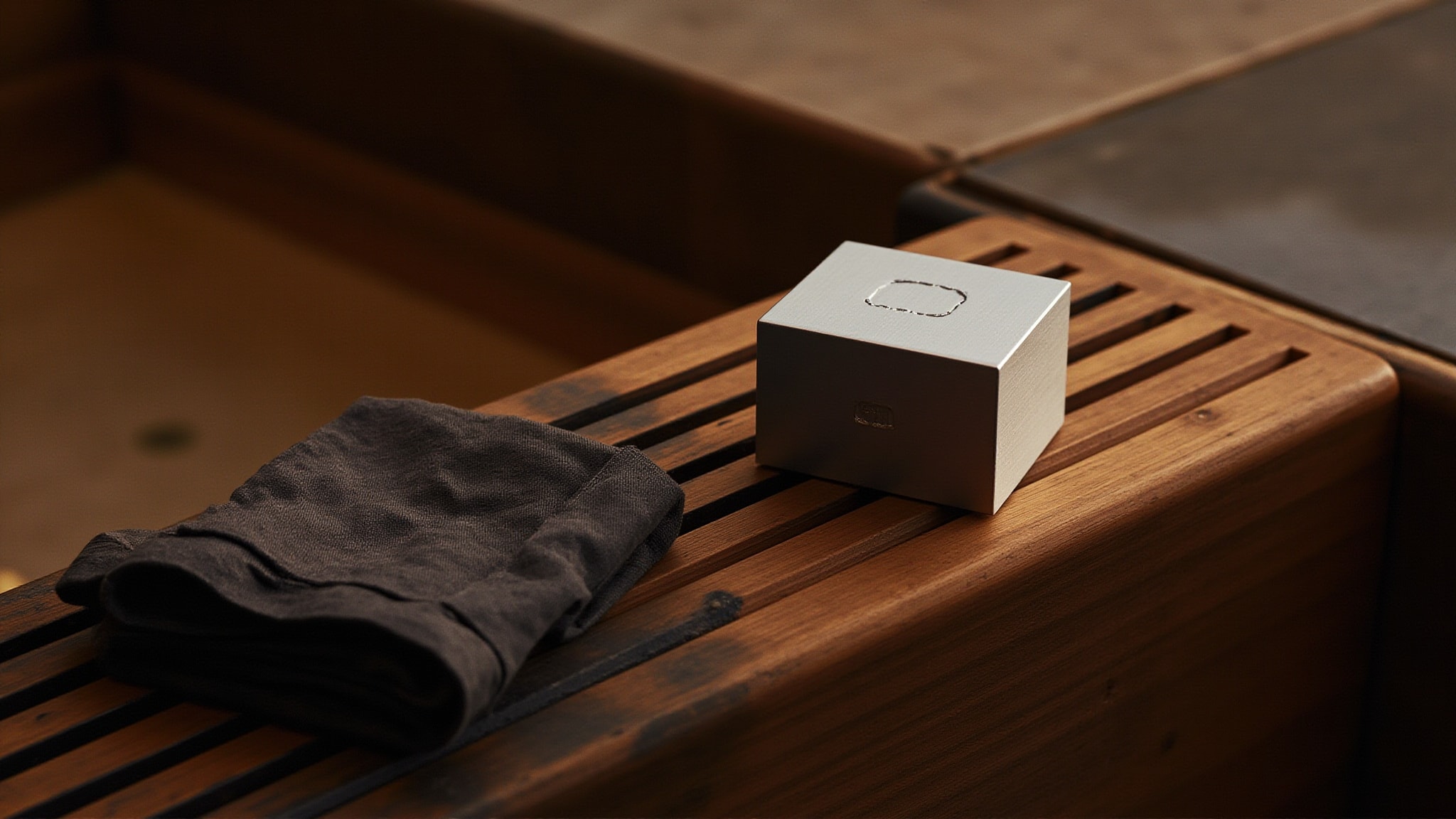
Metals arrived in 2015 as part of Carlen Parfums' first collection. Its brief reads angular, alien, maritime, silken, metallic, onsen. Not a tidy set of descriptors. A contradiction, and the notes carry it well. Teak brings a dry, woody grain, ylang-ylang adds a lush floral accent, and white musk lays down a clean, soft texture. Patchouli deepens the composition with an earthy darkness, while tonka bean and amber introduce warmth, sweetness, and depth. Warm woods extend that tactile range, balancing mineral associations with smooth, human notes. Hard surfaces and soft ones, steam and metal, water and timber.
What makes the composition interesting is the friction between its materials. Teakwood brings a dry, architectural grain that doesn't bow to anything. Ylang-ylang cuts across it with a cool, buttery floral that refuses to be heavy. Patchouli and tonka bean add depth and sweetness underneath, while white musk keeps the whole thing gliding. The result is a fragrance with angles and curves at once, which explains the brief's strange little vocabulary of maritime and onsen.
The evolution
Metals is built around a deliberate tension between textures. Teak contributes its dry grain, while ylang-ylang introduces a rounded floral richness that keeps the composition from reading as simply stark. White musk softens the structure with a clean, intimate character. Patchouli adds depth and an earthy shade, tonka bean brings a mellow sweetness, and amber gives the mixture warmth. Warm woods deepen the final impression, leaving a composition that can seem polished and natural at once. The metallic idea never has to dominate entirely. It sits against woods and skin-like softness, creating a fragrance defined less by a single effect than by the friction between hard and smooth, mineral and organic, cool and warm.
Cultural impact
Metals fits the brief of its first collection unusually literally, with a concept that trades in the uncanny, the maritime, and the metallic. Its note list reinforces that tension through contrasting materials: teak and warm woods give the composition grain and depth, ylang-ylang introduces a polished floral dimension, and white musk adds a clean softness. Patchouli, tonka bean, and amber bring darker, warmer notes that keep the idea from feeling purely abstract.