The Story
Why it exists.
The beginning
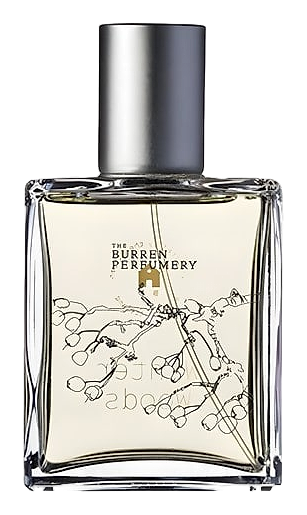
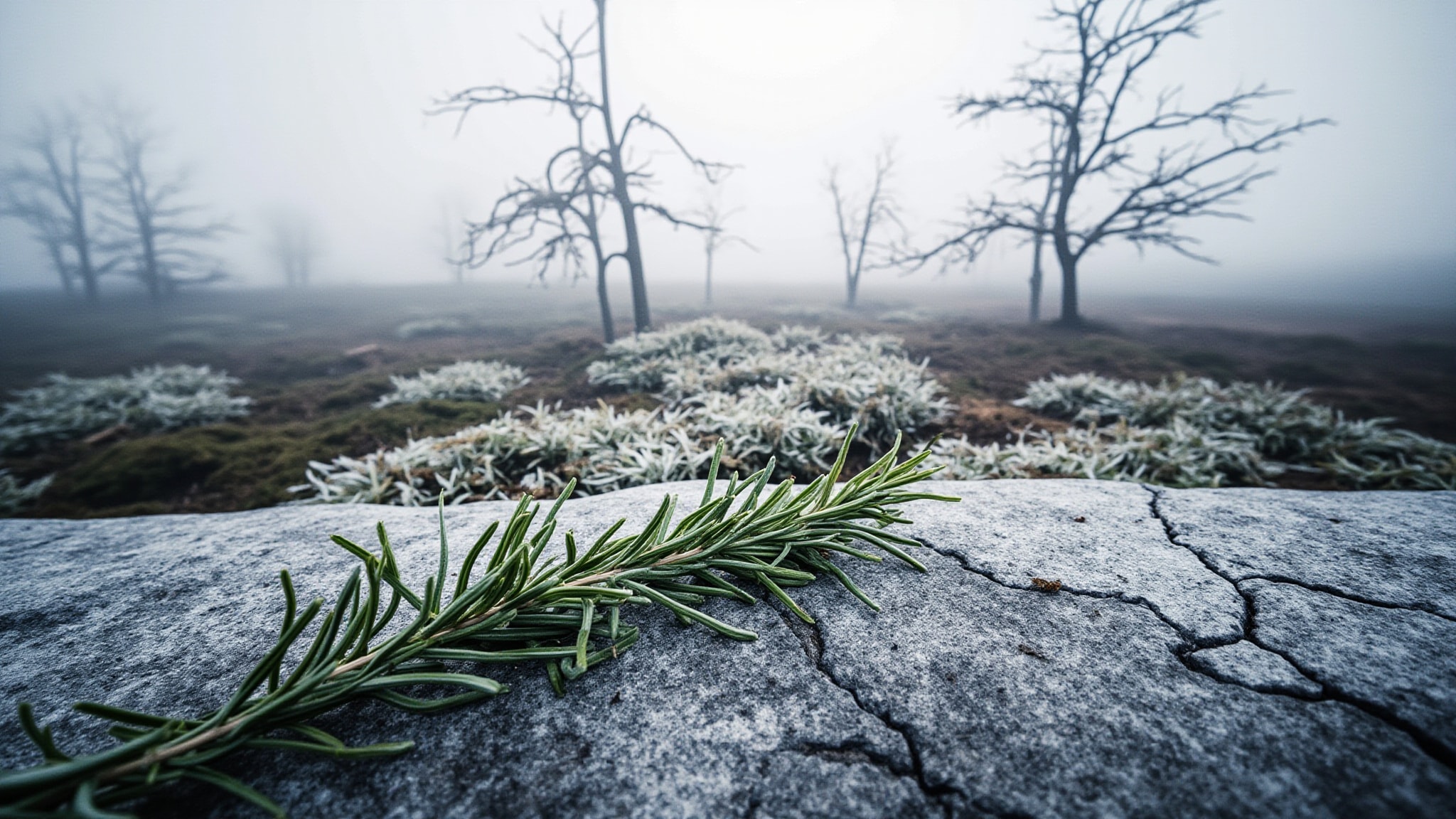
Winter Woods takes its name and its nature from the Burren's hidden groves, the trees, ferns, and mosses that shelter in the limestone valleys when the Atlantic wind strips everything else bare. This is not the Burren of wildflowers and exposed rock. This is the Burren when the season turns inward, when the landscape reveals its quieter structures. The perfumer Sylvie Jourdet built this fragrance around that specific seasonal character: the cold clarity of winter air meeting the warm, enduring presence of ancient woodland.
The combination of rosemary with iris and lavender is what makes Winter Woods distinctive among woody fragrances. Rosemary is typically used for its fresh, green opening, a brisk top note that announces and exits. Here, the iris and lavender that follow are not just a heart; they reshape the rosemary's trajectory. The lavender adds a quiet herbal depth, while the iris contributes a powdery, almost violet-like softness that bridges the cool opening and the woody base. The result is a fragrance that feels cohesive rather than sequential, where each phase owes something to what came before it. Cedar, stone pine, and vetiver as a base is conventional on paper.
The evolution
The opening hits clean. Rosemary and bergamot arrive together, bright, aromatic, with the lemon adding a brief citrus flash before the herb takes over. There's an immediacy here that reads as cold air, not cold perfume. This phase lasts perhaps thirty minutes, sharp and clarifying. The transition to the heart is subtle rather than dramatic. The lavender doesn't announce itself so much as expand, taking up more space as the citrus recedes. Iris is the quietest element throughout, more felt than smelled: a powdery softness that keeps the herbal notes from becoming medicinal. The drydown is where Winter Woods earns its name. Cedar and pine arrive gradually, with vetiver providing the earthy counterweight that stops the woods from reading as sweet or resinous. This phase lasts four to six hours on most skin, projecting modestly, the kind of presence you notice when someone leans in, not when they cross the room.
Cultural impact
Winter Woods occupies a specific corner of independent perfumery: the heritage of Irish craft fragrance, and the tradition of translating place into scent. For those who have visited the Burren and want to carry something home, or for those who simply seek a quietly masculine woody composition that avoids convention, this fragrance has built a loyal following through restraint rather than spectacle.