
The Story
Why it exists.
The beginning
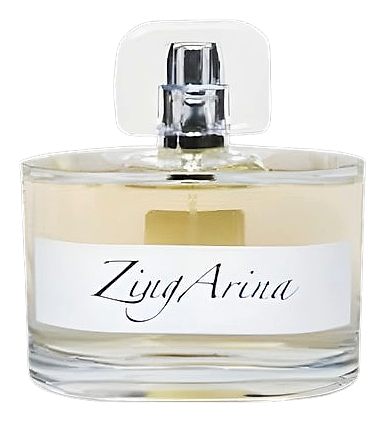
Zing Arina takes shape as a woman’s oriental floral built around the meeting point of rose and spice. Cinnamon gives the opening a dry, warming snap, while rose keeps it polished rather than heavy. The contrast is measured but clear: bright floral definition beside a spice note that feels almost textured. Cedar and cloves carry that tension inward, where the composition becomes more tactile and woody. As the opening softens, rose and cinnamon settle into a warmer exchange, with the spice lending depth without overwhelming the flower. The base settles into amber, benzoin, sandalwood, and tonka bean, creating a soft finish with a low, lingering sweetness.
The interesting part is the handoff between rose and cinnamon. One brings softness and a floral lift; the other brings heat and a little edge. Cedar then adds structure, while cloves make the heart more pointed. Down below, amber and benzoin lay down warmth, sandalwood gives it a woody grain, and tonka bean rounds the edges into something plush. The result is familiar in its materials but less predictable in their company. It’s an oriental floral with a slightly dusky edge, where the rose never gets too innocent.
The evolution
At first, Zing Arina arrives as a rose-and-cinnamon flicker. The flower feels lifted and clean, while the spice gives it a dry warmth, almost like warmth caught in the collar of a coat. As the heart settles, cedar and cloves bring a firmer, woody pulse. Cloves sharpen the composition with a compact, aromatic edge, while cedar gives it a smoother structure. The rose remains, but it no longer floats quite so freely. It begins to sit more closely against the spice, creating a richer floral impression as the opening fades. Then the base takes over, layering amber, benzoin, sandalwood, and tonka bean into a plush, sweet trail. The amber carries a warm glow, benzoin deepens the resinous character, and sandalwood keeps the finish softly woody. Tonka bean adds a low sweetness that rounds the sharper opening. The surprising part is how gentle that ending feels.
Cultural impact
Zing Arina can be understood through its composition rather than a wider house narrative. The fragrance places rose beside cinnamon, bringing floral brightness into conversation with dry warmth. Cedar and cloves extend that meeting point into a firmer, woody heart, while amber, benzoin, sandalwood, and tonka bean create a base defined by resin, softness, and low sweetness. Wearers who enjoy fragrance with some narrative in it can explore the way these notes change over time: the opening feels lifted and lightly sharpened, the heart gains structure, and the drydown gathers warmth.