
The Story
Why it exists.
The beginning
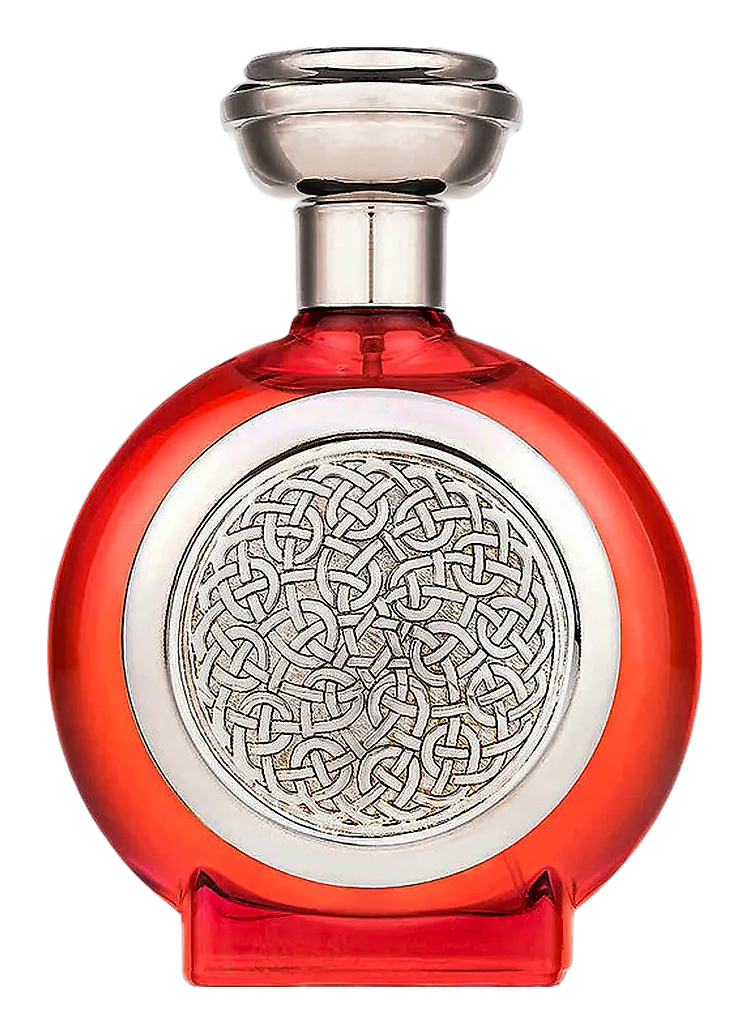
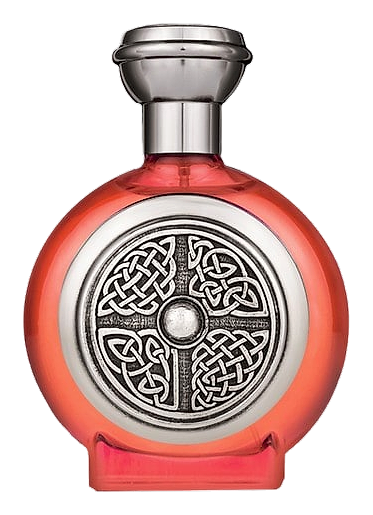
Anguish arrives in 2018 as a chapter in the brand's ongoing narrative of British resilience and self-defined identity. The name is the statement: not suffering as metaphor, but the full-bodied experience, something gorgeous that also burns. Boadicea the Victorious built its identity on historic moments and the people who shaped them. Anguish is named for the feeling, not the figure, the state that defines a turning point, when everything before and after looks different because of what was endured in the middle. The fragrance opens with saffron and jasmine, a combination that doesn't coddle. The brand has never been interested in easy entrances. From its 2008 Harrods debut to every release since, the house has operated on the premise that scent is narrative, and the best narratives don't resolve cleanly. Anguish continues that conviction: a fragrance that names something uncomfortable and makes you want to wear it anyway.
The note architecture holds something unusual at its center: amberwood bridging saffron's metallic heat into a white-flower heart that should soften everything, but doesn't entirely. The jasmine refuses to retreat quietly. Instead, it amplifies the spice, pushing back against the sweetness that white flowers usually offer. That friction is the point. Most warm-woody compositions resolve cleanly into comfort. Anguish introduces an obstacle. The oud arrives heavy, the patchouli earthy and deep, the musk wrapping everything in something animal and close. Incense carries through the drydown like a thread you didn't notice being pulled.
The evolution
Saffron hits the skin first. Metallic and bright, that unmistakable hot-metal sharpness that either hooks you immediately or takes a moment to settle. Jasmine arrives quickly, not as relief but as counterweight. Together they create a luminous, almost harsh opening that announces itself without apology. About 30 minutes in, the amberwood emerges. The edges soften. White flowers bring a creamy warmth that tempers the aggression without dissolving it. The transition isn't gentle, it's a negotiation. Then the base arrives. Oud, patchouli, musk, incense, a dark quartet that reclothes the entire composition. The warmth turns to smoke. The spice recedes. What was bright and confrontational becomes something that lives against the skin, intimate and persistent. The drydown is where Anguish earns its name, not because it's unpleasant, but because it lingers the way a difficult truth does. On fabric, the oud and patchouli hold for a full day. On skin, longevity varies, but projection stays strong through the first hours before settling close.
Cultural impact
The name is the conversation starter. Anguish doesn't hide behind metaphor, it names its subject and dares you to find it beautiful. In a market where 'comfort' and 'wearability' often mean 'forgettable,' this fragrance takes a position. The warm-spicy-oud combination places it among compositions that reward attention and repeat wear. Some will find it too much. Others will find it the only fragrance they've wanted to wear for years.