The Story
Why it exists.
The beginning
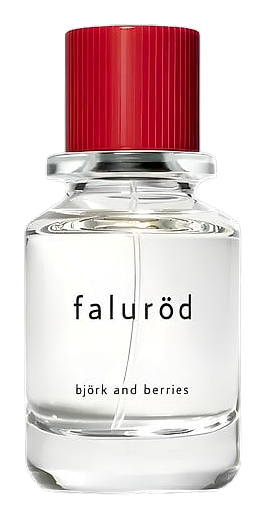
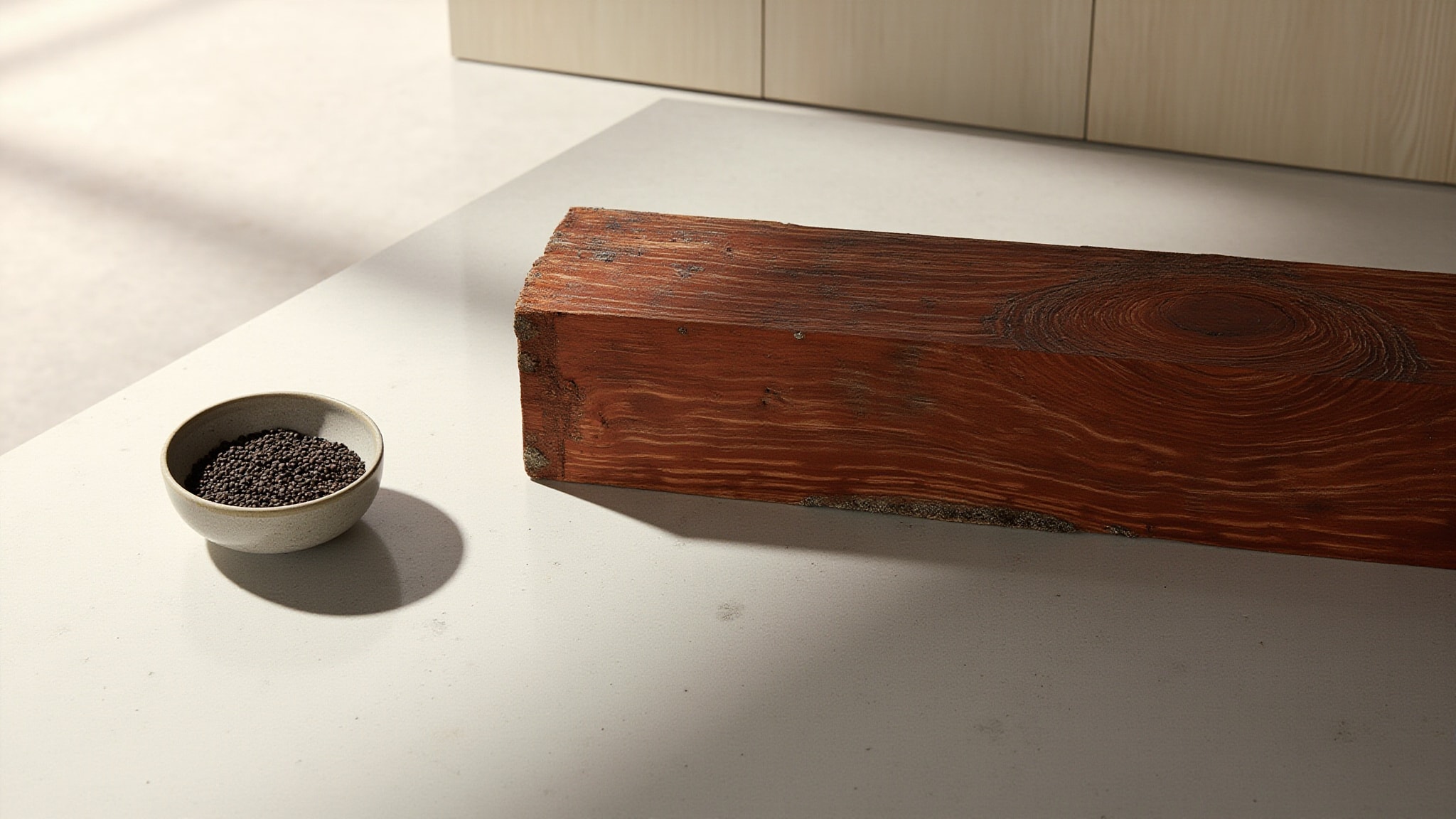
The name is the brief. Faluröd references the traditional Swedish red pigment that has colored timber structures across the northern landscape for generations. That particular rust-red, weathered into wood grain, carrying the particular weight of oxidized metal and aged timber. The brand wanted to bottle the transformation: how iron and timber become one thing over time. How materials absorb each other. How a smell can carry history without becoming a museum piece. The 2025 release takes that visual language, sunlit, rust-worn, ancient, and translates it into something you wear. The scent opens with a mineral clarity that feels both ancient and immediate, like the first moment light touches a weathered surface.
The metallic top note is the tell. Black pepper provides the initial heat, but it's the iron-like metallic quality that separates this from a standard spicy-woody. That mineral, slightly oxidized smell, like a nail drawn from old timber. The contrast is the point: fresh spice against ancient material. Most woody fragrances commit to one register or the other. Faluröd holds both in tension, and that tension is what makes it feel specific rather than generic. As the opening softens, the metallic quality doesn't disappear but deepens, becoming less sharp and more integrated with the base.
The evolution
The opening hits cold and bright. Black pepper sparks against metallic notes, that iron smell, clean and sharp as the first breath of autumn air. The lift happens in the first five minutes. Skin-warm metallics, almost electric. By ten minutes, the oak arrives. Dense, resinous, grounding. The frankincense appears as a smoky counterpoint, slightly sweet, slightly medicinal, like incense in a room with old wooden beams. The metallic note doesn't disappear. It retreats. Settles. Becomes part of the wood rather than competing with it. The drydown, after an hour, shifts again. Amber and cedarwood take over. The warmth is intimate now, close to skin, breathing rather than projecting. The myrrh adds a faint medicinal edge, like the smell of a room where someone has slept among old books. Cedar lingers as the memory: sunlit timber, warm from the afternoon. The next morning, a trace of resin remains. Faint. Close.
Cultural impact
Faluröd translates a specific Swedish vernacular into scent, taking the iron-washed timber of traditional red cottages as its conceptual anchor. This is fragrance as cultural translation rather than pure invention. The metallic notes that open the composition break from typical contemporary perfumery, which usually favors fruit or florals for first impressions. Here, the cold mineral quality mirrors the experience of touching sun-warmed iron in Nordic air. Black pepper adds an unexpected spice that grounds the metallic character without softening it.