
The Story
Why it exists.
The beginning
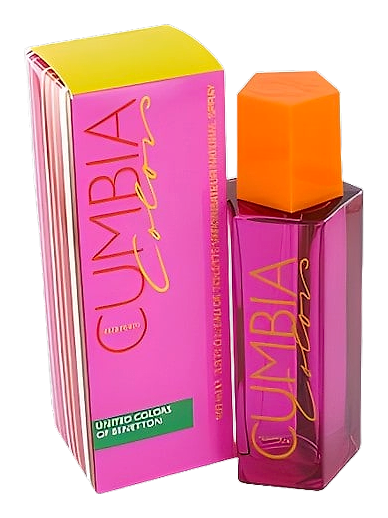
Cumbia Colors Woman arrived in 2005, part of Benetton's longstanding tradition of treating fragrance as another expression of color and optimism. The name nods to cumbia, the Colombian musical genre built on rhythm, community, and movement, a fitting metaphor for a scent that feels bright and alive without demanding attention. Perfumers Alain Astori and Beatrice Piquet composed it around white florals and a warm vanilla-musk base, crafting something that reads as approachable and easy rather than constructed or complicated. The brief, if there was one, seems to have been simple: make something that makes people feel good wearing it.
The note combination is deliberately simple, lily and cyclamen over musk and vanilla. That's not a criticism. In a market full of complex, layered compositions designed to impress critics, there's something refreshing about a fragrance that just wants to smell nice and stay close. The cyclamen adds a slight green, almost dewy quality to the lily, keeping the white florals from becoming too heavy or indolic. The vanilla doesn't shout, it cushions, softening the florals into something that feels comfortable against skin rather than projected at it. This is a fragrance that understands its audience: people who want to smell good without a project.
The evolution
The opening is the briefest chapter. Cyclamen and lily arrive together, soft and slightly green, without the sharpCitrus top that many fragrances use to announce themselves. It blooms for maybe twenty minutes before the florals settle and the vanilla begins its slow emergence. By the second hour, the musk-vanilla base has taken over, powdery, skin-close, intimate. The drydown isn't dramatic. It doesn't transform or surprise. It simply fades, gracefully, from presence to memory. On most skin types, expect 6-8 hours of quiet company, with sillage that stays moderate throughout, enough to be noticed by someone sitting close, not enough to announce you across a room.
Cultural impact
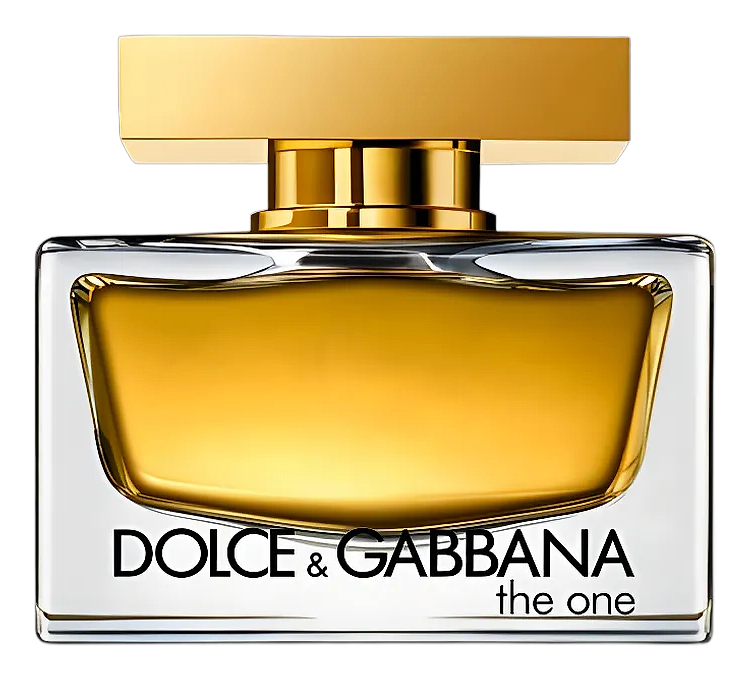
Cumbia Colors Woman occupies a quiet corner of the Benetton fragrance portfolio. Released in 2005, it arrived during a period when the brand was expanding its colors-focused line with variations named after musical genres and cultural influences. The fragrance itself doesn't seem to have generated significant critical discussion, but it has maintained a small, steady following, the kind of scent people revisit when they want something soft, pleasant, and undemanding. It sits comfortably alongside peers like Estée Lauder Pleasures and Dolce & Gabbana The One, offering a similar white floral softness without the prestige positioning.