The Story
Why it exists.
The beginning
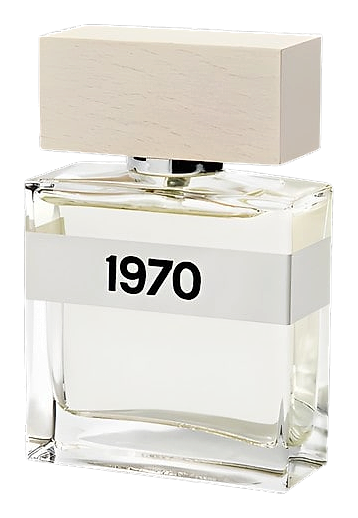
Bella Freud named this fragrance 1970 after the era of hedonistic freedom, warm nights on Formentera, bonfires on the beach, dancing until dawn. She worked with Azzi Glasser to bottle that specific cultural moment. May rose, saffron, incense, myrrh, sandalwood. The brand describes it as 'the hedonist, the girl dancing until dawn on the beach of Formentera.' It was released in 2014 as part of a collection that reads like a series of character studies, each scent a wearable anecdote in the Freud tradition. The fragrance does not perform. It lingers.
The interplay between may rose and saffron is the structural tension here. Saffron brings sharp warmth, the spice of something precious, slightly animal, while may rose is delicate but insistent, not powdery but resolved. The incense does not arrive immediately. It builds slowly, heavy and aromatic, the way smoke moves through warm evening air. Benzoin and sandalwood round the heart, adding sweetness and cream without softening the edges. Myrrh brings a dusty, medicinal depth that prevents the composition from becoming simply warm. The whole structure moves from aromatic bloom into something darker, earthier, and more personal, the kind of fragrance that becomes part of you rather than something you applied.
The evolution
May rose arrives first, then the saffron opens bright and warm alongside it. The spice catches light before the incense settles in, heavy and aromatic, the way smoke moves through warm night air. Benzoin and sandalwood round the edges, making the texture warmer, creamier. Myrrh deepens everything. The heart holds for several hours, the rose does not disappear, it deepens, the spice settling into something quieter. The drydown belongs to patchouli, moss, vetiver, and musk. The smoke and incense become skin-close, the rose fades to a whisper, and what remains is warm, resinous, and slightly animal. Six to eight hours later, this is a fragrance that has become part of the wearer rather than something applied.
Cultural impact
1970 arrived at a moment when perfumery was rediscovering its bolder instincts, moving away from the clean minimalism that had dominated the previous decade. Bella Freud drew from her own background, referencing the intimate textures of 1970s London, a period when countercultural ideals were reshaping notions of luxury and self-expression. The pairing of May rose with incense spoke to a generation interested in spirituality and sensory depth, not just polish. This fragrance did not chase trend lines; it staked a quiet claim on complexity, offering something that demanded attention rather than simply requesting it. Over the years, it has maintained its position as an artifact of a specific sensibility, one that values emotional resonance over universal approval.