The Story
Why it exists.
The beginning
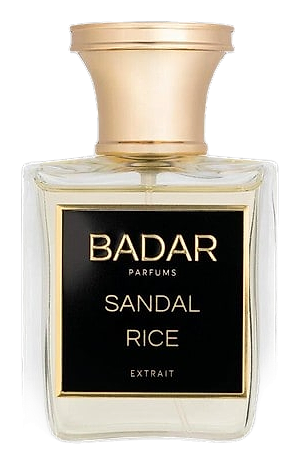
The idea came from a simple question: what if rice wasn't a supporting note but the whole foundation? Rice appears in fragrance everywhere, as a fleeting accord, a skin-like skin note, a soft backdrop. But it's rarely the point. Badar's perfumer Margaux Le Paih-Guérin decided to change that. She built Sandal Rice around a single conviction: the starchy warmth of cooked rice deserved to lead, not follow.
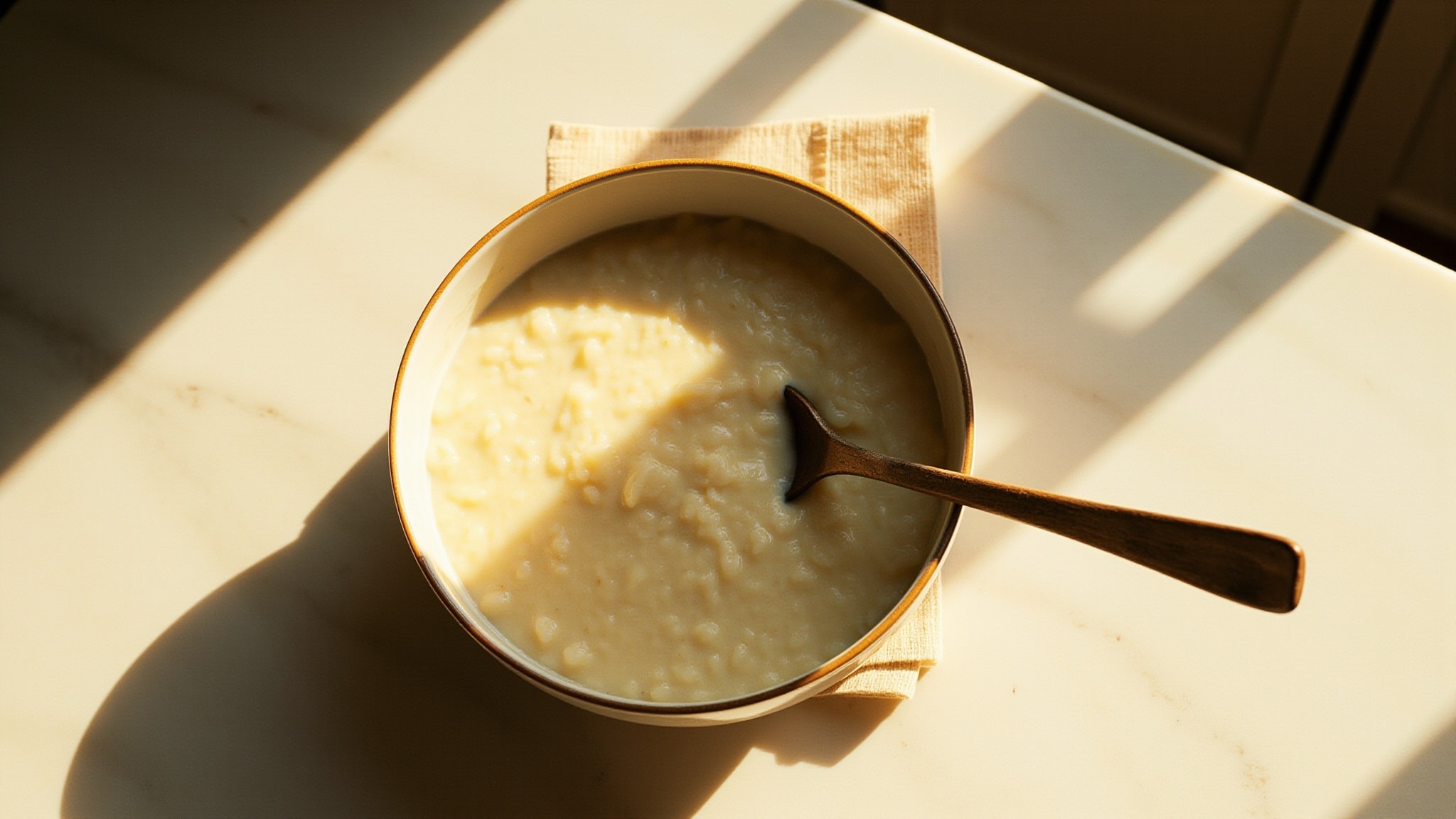
The result is a gourmand composition that avoids the usual pitfalls. No overload of caramel syrup. No generic vanilla fog. Instead, rice brings a creaminess that feels almost lactonic, like the moment rice pudding starts to set. Coffee adds dimension without sharpness. The combination is unusual: edible but grounded, sweet but not juvenile. It reads differently depending on who's wearing it, which is exactly what makes it interesting.
The evolution
The opening is pure rice, starchy, warm, the smell of a pot just pulled from the heat. No citruses to lighten it, no florals to complicate it. Just rice, thick and present. Then the coffee arrives quietly, not the bitter espresso type but something darker, rounder. It doesn't compete with the rice, it whispers underneath it. The caramel follows, soft rather than syrupy, more suggestion than declaration. By the drydown, vanilla and sandalwood take over. The woody notes, guaiac, ambroxan, add a cool edge that keeps the sweetness from ever getting heavy. The ambroxan especially keeps everything close to skin, intimate rather than projecting. Hours later, the rice and coffee have faded but left behind a powdery warmth. Vanilla and wood linger closest. You catch it on your wrist, on a pillow, the next morning, a ghost of the morning you wore it.
Cultural impact
Rice has been a staple of Asian perfumery traditions for centuries, appearing in ceremonial incense and skincare rituals, but its role in Western fine fragrance remained largely peripheral until recently. Most Western fragrances use rice as a subtle supporting accord, a skin-mimicking or skin-enhancing note that adds softness without asserting itself. Badar's 2025 decision to lead with rice as the sole top note in Sandal Rice represents a departure from this modest positioning. By elevating rice from background texture to focal point, Badar joins a small group of houses experimenting with food-inspired compositions that challenge conventional gourmand aesthetics.
The House
BadarBadar is an independent perfume house that emerged in 2023, rooted in France. The brand operates at the intersection of contemporary design and classical perfumery traditions, creating scents that draw from multiple olfactory cultures. Badar's portfolio spans several years of releases, from 2024 through anticipated 2026 launches, suggesting a steady creative output despite its recent founding. The house positions itself within the independent fragrance segment, distinguishing itself from heritage conglomerates through direct collaboration with its perfumers and a more intimate production approach.
The Creator
Margaux Le Paih-GuérinMargaux Le Paih Guérin gravitates toward contrast. She pairs unexpected ingredients with conviction, whether that means wrapping oud in candy sweetness or pushing musk into genuinely dirty territory.