The Story
Why it exists.
The beginning
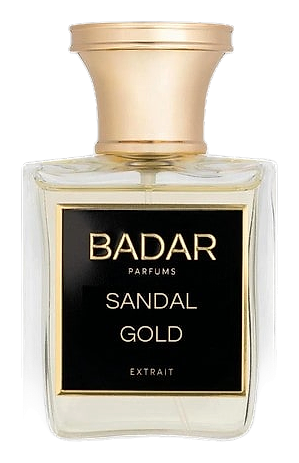
Sandal Gold arrived in 2026 as Badar's take on the gourmand-woody territory that has dominated niche perfumery for years, but with the restraint that defines this young French house. Perfumer Margaux Le Paih-Guérin built the composition around a single tropical note: coconut, used here not as a synthetic beach projection but as a creamy, edible opening that sets up everything that follows. The name says it plainly: sandalwood as the gold standard, the benchmark against which the rest of the formula is measured.
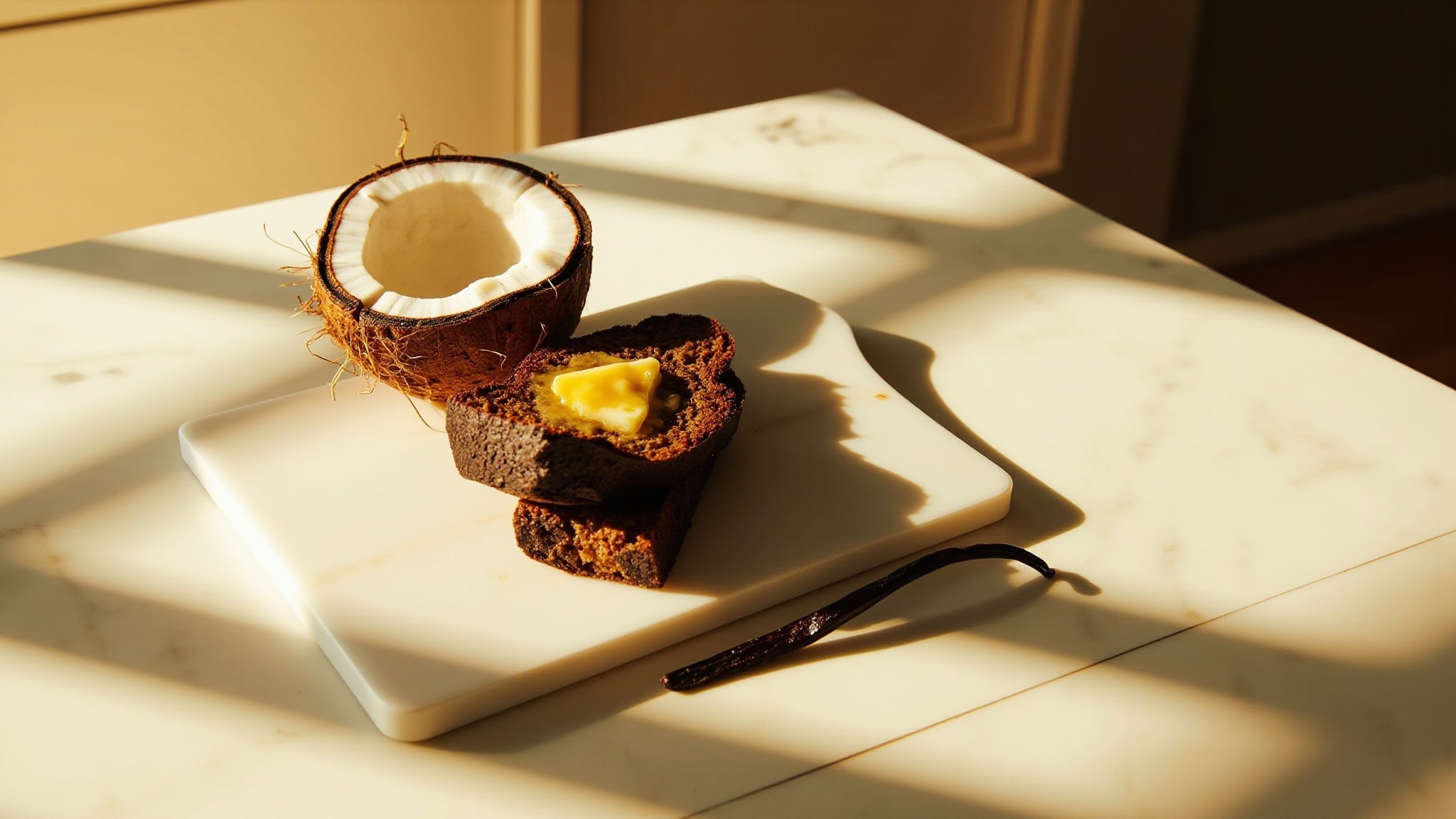
What makes Sandal Gold work is the bridge between its opening and its base. Coconut and banana bread are both sweet, both lactonic, they don't create contrast so much as amplify each other. The walnut is the quiet structural choice here: it adds bitterness, a slight astringency that keeps the heart from becoming cloying. Vanilla ties everything together, naturally. But it's in the base that the composition earns its name. Australian sandalwood, creamy, slightly camphoraceous, doesn't compete with the gourmand notes. It translates them into something smoother.
The evolution
The first thirty minutes belong to coconut. Not sunscreen coconut, something riper, more natural, closer to the meat than the milk. Then the banana bread arrives, and it arrives warm: vanilla extract, toasted walnut, the suggestion of overripe banana that makes banana bread better than any fresh version. This phase lasts for two to three hours, and it's the fragrance's most obviously gourmand moment. Around hour four, the wood arrives. Australian sandalwood takes over the sweetness, not replacing it but filtering it through something denser. Guaiac wood adds a faint smokiness, barely there, almost resinous. By hour six, you're in the ambroxan zone: clean, warm, skin-like. White musk keeps it intimate. On fabric, the drydown extends another twelve hours, a faint warmth in the weave that arrives the next morning when you pull the shirt from the dryer.
Cultural impact
Sandal Gold arrives at a moment when coconut-forward fragrances have moved from niche curiosity to mainstream expectation. Badar's 2026 release capitalizes on this shift, positioning itself within a growing market where creamy, edible accords have become legitimate wardrobe staples rather than novelty picks. The brand's French independent status and direct perfumer collaboration model distinguish it from larger houses, offering a different kind of cultural conversation, one focused on artisanal transparency rather than mass-market appeal.