
The Story
Why it exists.
The beginning
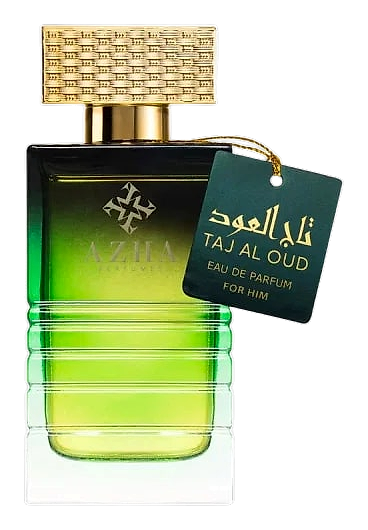
Taj Al Oud translates to 'Crown of Oud', an intention baked into the name. Azha built this fragrance around the idea of richness without excess: deep, yes, but composed. The 2022 release sits in the Emerald Nebula Collection, a lineup that trades in green gradients and olfactory weight. Saffron opens the composition not as decoration but as announcement, something sharp is coming, and it knows exactly where it's going. The oud at the center is dry, warm, and deliberately free of animalic bite. That's the choice made here: oud as elegance, not oud as provocation. The result is a fragrance that reads as both luxurious and approachable, which is harder to do than it sounds.
What makes this pyramid interesting is the saffron-to-oud handoff. Saffron is often used as a supporting player, lending warmth to roses, depth to tobaccos. Here it leads. That metallic, slightly medicinal quality it carries isn't softened; it's allowed to be itself before the oud takes over. The base is where most oriental fragrances find their comfort zone, and Taj Al Oud doesn't reinvent it: patchouli, sandalwood, vanilla, amber. But the proportions matter. The vanilla isn't dessert-sweet; it's creamy and close. The patchouli keeps things grounded without going earthy in the way that patchouli sometimes does. The amber pulls it all together into something that wears well past sunset.
The evolution
The opening hits bright. Saffron does what saffron does: metallic, spicy, a little sharp around the edges. It announces itself for roughly 30 minutes before the oud arrives, not with a crash but with warmth settling in like sunlight through a window. The oud is dry, clean, and free of any barnyard or animalic character. That's worth noting: this is oud that plays well with others. It doesn't demand you accommodate it. The base notes, patchouli, sandalwood, vanilla, amber, start their work around the second hour. The sandalwood smooths things. The vanilla adds warmth without sweetness. The patchouli keeps it grounded. Eight to ten hours later, on most skin, the drydown is still there: soft woods, a whisper of vanilla, something close and intimate that stays close rather than filling the room. On fabric it lasts longer. On skin, closer. That's the tradeoff built into the moderate sillage.
Cultural impact
Taj Al Oud occupies a specific position in the modern oud landscape: it's not trying to reinvent the wheel, it's trying to perfect one. The synthetic-spicy classification from enthusiasts reflects something real, this isn't a natural-oud-by-way-of-vintage-perfumery fragrance. It's composed, clean, and deliberately approachable. Wearers consistently describe it as office-appropriate despite the oriental classification, which tells you something about how the sillage and sweetness have been calibrated. It sits in a crowded middle ground where the real competition isn't other oud fragrances, it's every other warm, woody, slightly sweetunisex oriental doing the same thing.