The Story
Why it exists.
The beginning
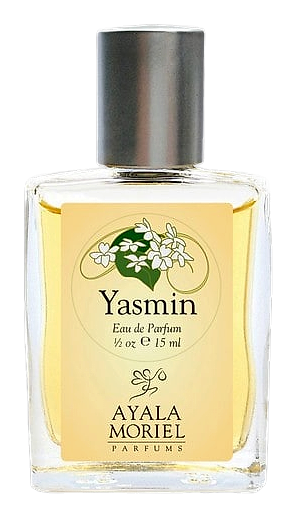
Yasmin launched in 2006 under the Ayala Moriel label. Sender had been developing her craft with naturals before the house bore her own name, testing compositions and building toward a vision that centered on what botanicals could do when given the lead. Yasmin reads like a statement of intent: a jasmine-centered floral that refuses to be polite. The name does what it says. This is jasmine, plural, uncut, layered with mimosa and frangipani until the single flower becomes a garden. No apology, no clean linen opening to soften the blow. Where many jasmine fragrances offer a single facet, scrubbed and luminous, Yasmin insists on multiplicity. There's the green twang of fresh stems, the almost rubbery depth of indole, the honeyed sweetness that only appears when the flower is warm and overripe.
What separates Yasmin from a dozen other jasmine soliflores is the density of the construction. Gardenia, frangipani, and two species of jasmine (sambac and grandiflorum) are layered rather than sequenced, which gives the heart a near-tactile weight. Cassia and cinnamon bring a spiced warmth underneath, while mimosa adds that powdery, slightly honeyed facet that keeps the whole thing from collapsing into sheer sweetness. The sandalwood base grounds all of it, giving the florals something to sink into rather than float above.
The evolution
The opening arrives already dense, which is the first surprise. There's no bright citrus lift, no transparent entry. Mimosa and frangipani step forward first, powdery and slightly tropical, before the jasmine sambac takes hold within the first ten minutes. The sambac hits green and indolic, the kind of jasmine that smells alive rather than clean. By the thirty-minute mark, gardenia and grandiflorum join, and the composition shifts from fresh-cut flower to something warmer, almost sun-warmed. The cassia starts threading through underneath, not aggressively spiced, more like the residual heat of late afternoon on warm skin. The white floral intensity peaks here, and on warmer days the lactonic, almost creamy facet of frangipani comes forward, giving the whole composition a richer, almost edible softness that balances the indolic sharpness of the sambac.
Cultural impact
When Yasmin appeared in 2006, it arrived at a moment when botanical perfumery was still finding its audience beyond the established niche. The composition made a quiet argument through sheer presence, showing that plant-derived materials, including two grades of jasmine, frangipani, mimosa, cassia, sandalwood, and amber, could carry the full weight of a fragrance without leaning on synthetics for lift or diffusion. The jasmine layering alone set a precedent.