The Story
Why it exists.
The beginning
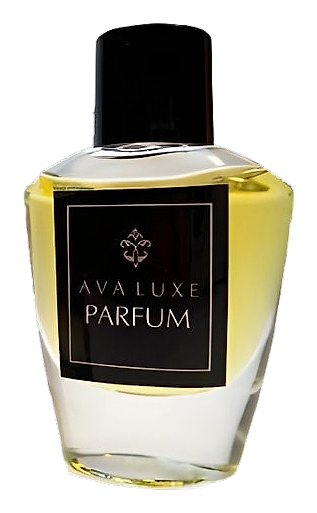
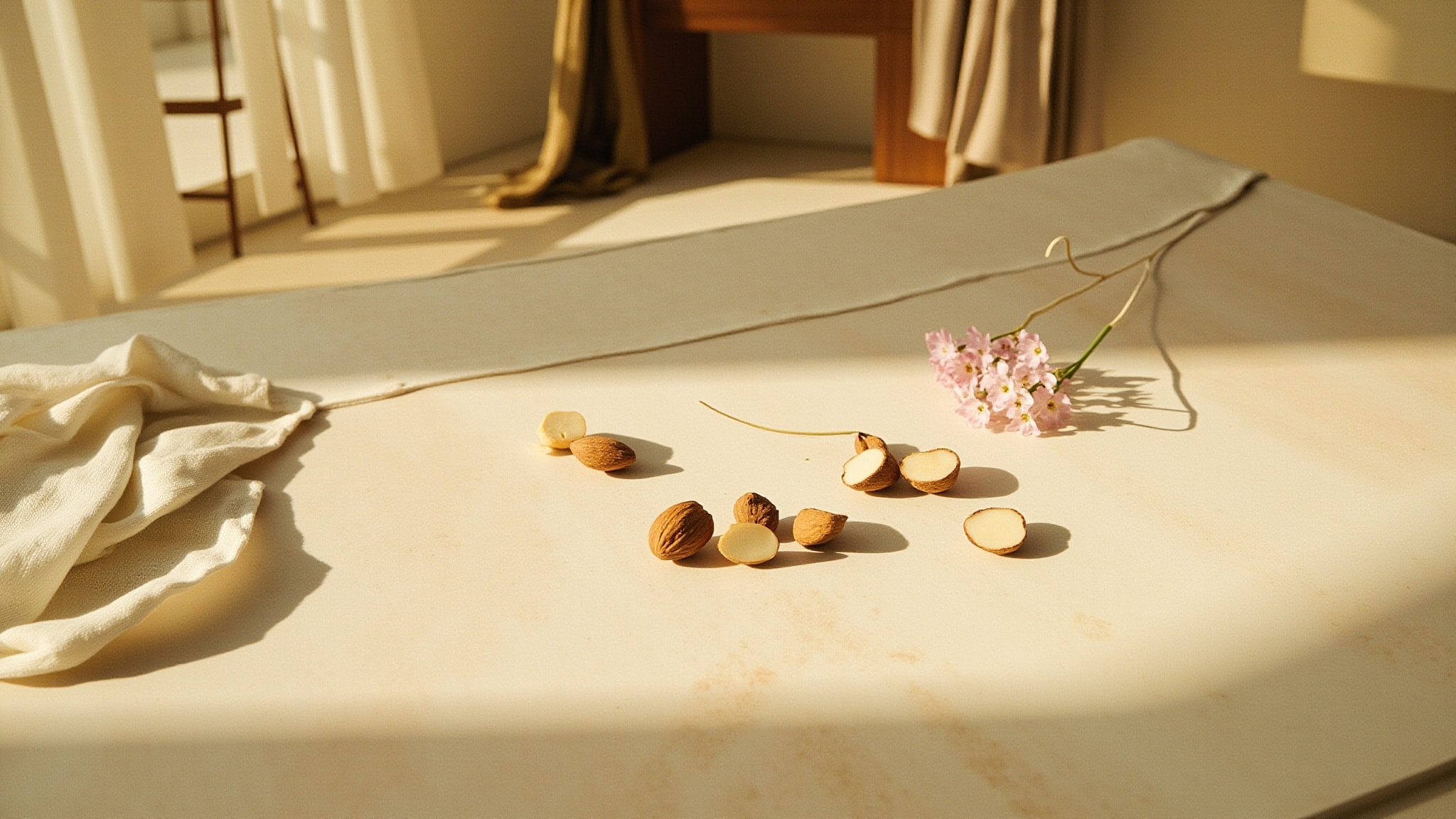
Ava Luxe built Heliotrope on a single, unapologetic idea: that one flower, treated honestly, could carry an entire fragrance. It's a soliflore in the purest sense, one botanical idea, rendered with enough sweetness to feel indulgent, enough restraint to feel elegant. The heliotrope flower, with its cherry-pie warmth and almost edible almond-and-vanilla softness, gave the composition something to work with that didn't need ornament. The opening reads as a quiet statement of intent: a powder that never tips into baby-powder territory, a floralcy that stays close to its botanical source, and an almond-vanilla thread that winds beneath everything like a held note. The result is a fragrance that doesn't ask you to decode it.
What separates a true soliflore from a generic floral is how much of the flower's actual character the perfumer allows to survive. Heliotrope the plant has a curious duality: there's the powdery, almost violet-like floralcy, and there's the warm, almond-cherry undertow that smells closer to marzipan than to anything traditionally floral. The composition leans into both halves of that tension rather than smoothing one out for safety.
The evolution
The first few minutes are cool and powdery, almost cosmetic in the best sense of the word. There's a brief floral lift before the almond warmth starts to rise, and once it does, it doesn't really leave. The heliotrope note itself sits at the center for most of the wear, shifting from fresh-cut-flower brightness toward something warmer and more confectionary as the hours pass. Vanilla arrives not as a separate layer but as a deepening of what's already there, lending the almond a richer, almost milky roundness that never crosses into syrupy territory. By the third or fourth hour, the scent has settled into a soft, intimate close-to-skin warmth, less flower and more skin-and-sweetness, with the powdery halo still detectable if you press your nose to your wrist.
Cultural impact
Heliotrope has its own small, devoted corner of the fragrance world, a quiet community of wearers drawn to single-flower compositions and the specific pleasures of the almond-vanilla flower. The note occupies an unusual place in perfumery: familiar enough to be recognized, unusual enough to feel specific, and historically tied to a long tradition of soliflore work that stretches back through decades of botanical fragrance. Wearing a heliotrope-forward scent today reads as a deliberate stylistic choice, a preference for restraint and clarity over louder, more abstract constructions.