The Story
Why it exists.
The beginning
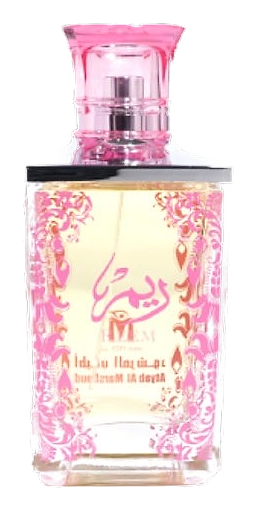
Reem leans into the kind of scent that Gulf perfumery has refined for decades, an oud-rose-musk architecture built from raw materials the brand has long traded in. Atyab Al Marshoud carries heritage rooted in regional fragrance craftsmanship, supplying oud and bakhoor across a market where scent was already woven into daily ritual. Reem doesn't perform tradition theatrically. It lets its materials speak in their own register, presenting the core notes with confidence rather than ornamentation. The name Reem carries its own weight in Arabic. The word marks something beloved, something worth keeping. Atyab Al Marshoud selected it with intention, tying the composition to a sentimental register rather than a geographic or floral one.
What defines Reem is the conversation between rose and oud held inside a woody-musky frame. Rose in this register isn't the dewy, jammy kind. It's powdered, almost dry, the way rose reads when it's been rendered in a classical Arabian style rather than brightened by citrus or fruit. The oud carries depth without aggression, leaning into the resinous and the warm rather than the barnyard or the sharp. Sandalwood bridges the two, softening the rose's austerity and grounding the oud's lift. Musk anchors the structure and turns the composition inward.
The evolution
Reem moves in deliberate stages, each one slower than expected. The first 20 minutes carry the powdered rose alongside a faint antiseptic hush from the oud, almost cold, like a room that hasn't been aired out yet. The opening doesn't announce itself. It waits for you to notice it. Around the 45-minute mark, the sandalwood flexes and the scent turns warmer. The powder settles, the rose loosens slightly, and the oud drops its chill and starts to sweeten. There's a moment here where the composition smells like warm wood wrapped in something floral and soft, the kind of texture you get when rose attar has rested in sandalwood for weeks. That's roughly 1-2 hours in. By the third hour, the oud steps back and the musk and sandalwood take over. The rose fades but never fully leaves. What lingers is a warm, woody musk, gently sweetened, the sort of drydown that stays close to skin through a full day and drifts up again when you move. On fabric the next morning, you get a softer echo: warm wood, faint powder, a trace of something still alive.
Cultural impact
Reem sits in a restrained corner of oud-rose perfumery, a space where composition discipline matters more than sheer volume of materials. The fragrance keeps its framework deliberately spare: rose, oud, sandalwood, musk. Nothing cushions the central pairing, and nothing distracts from it either. That bare-bones architecture lets each note carry its own weight without needing supporting players to soften edges or fill space. The structure speaks to a particular understanding of how rose and oud interact when they're allowed to meet on equal terms.